


A Canon of Chinese Health Regimens (English-Chinese Edition): The Culture, Philosophy & Practice of Chinese Wellness
A Canon of Chinese Health Regimens (English-Chinese Edition): The Culture, Philosophy & Practice of Chinese Wellness
- 99% Issue-Free
- Secure Checkout
- $10K ID Protect
Security & Service
- Payment
Security - Privacy
Protection - Efficient
Shipping - Customer
Support
Detail

What problem does this book solve?
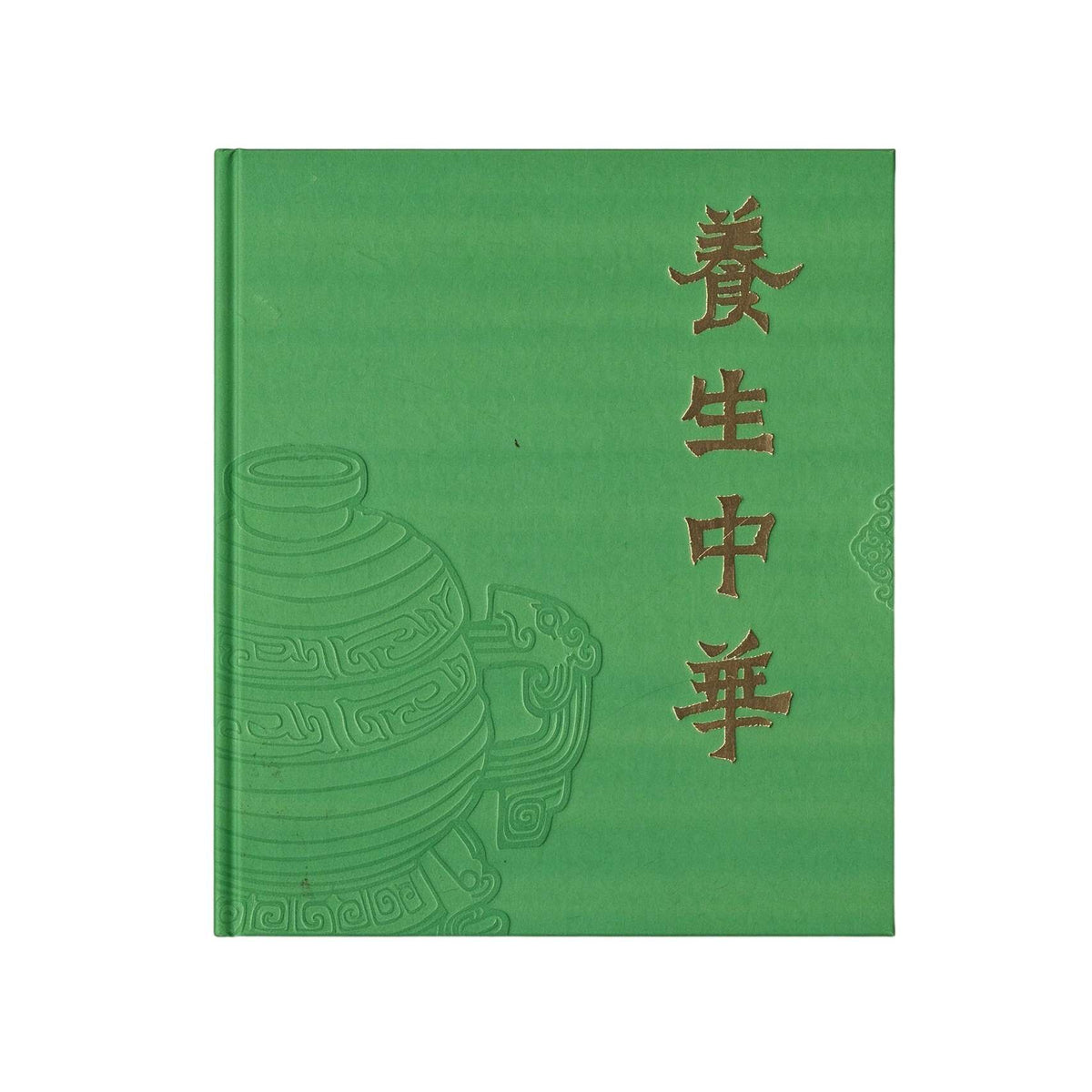
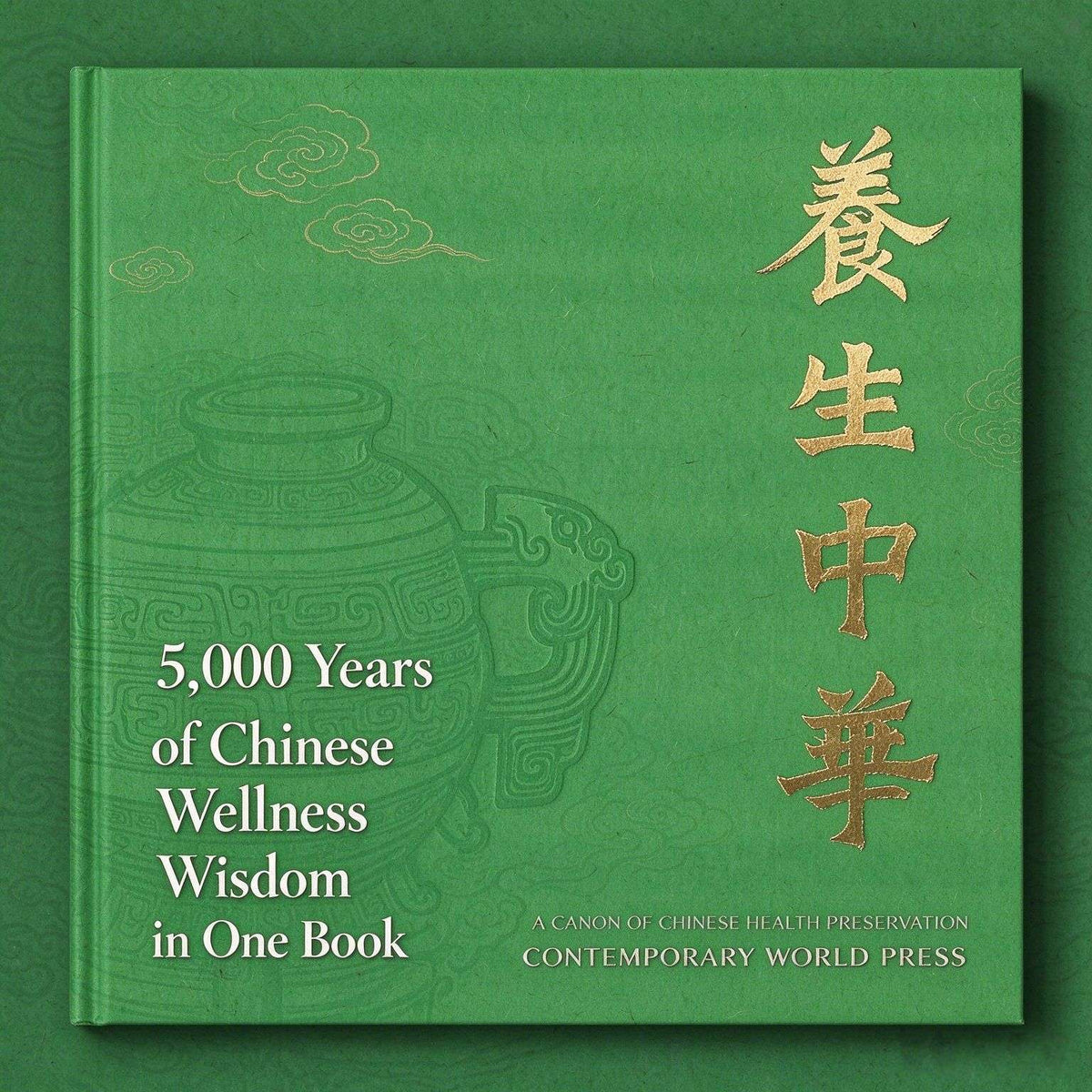
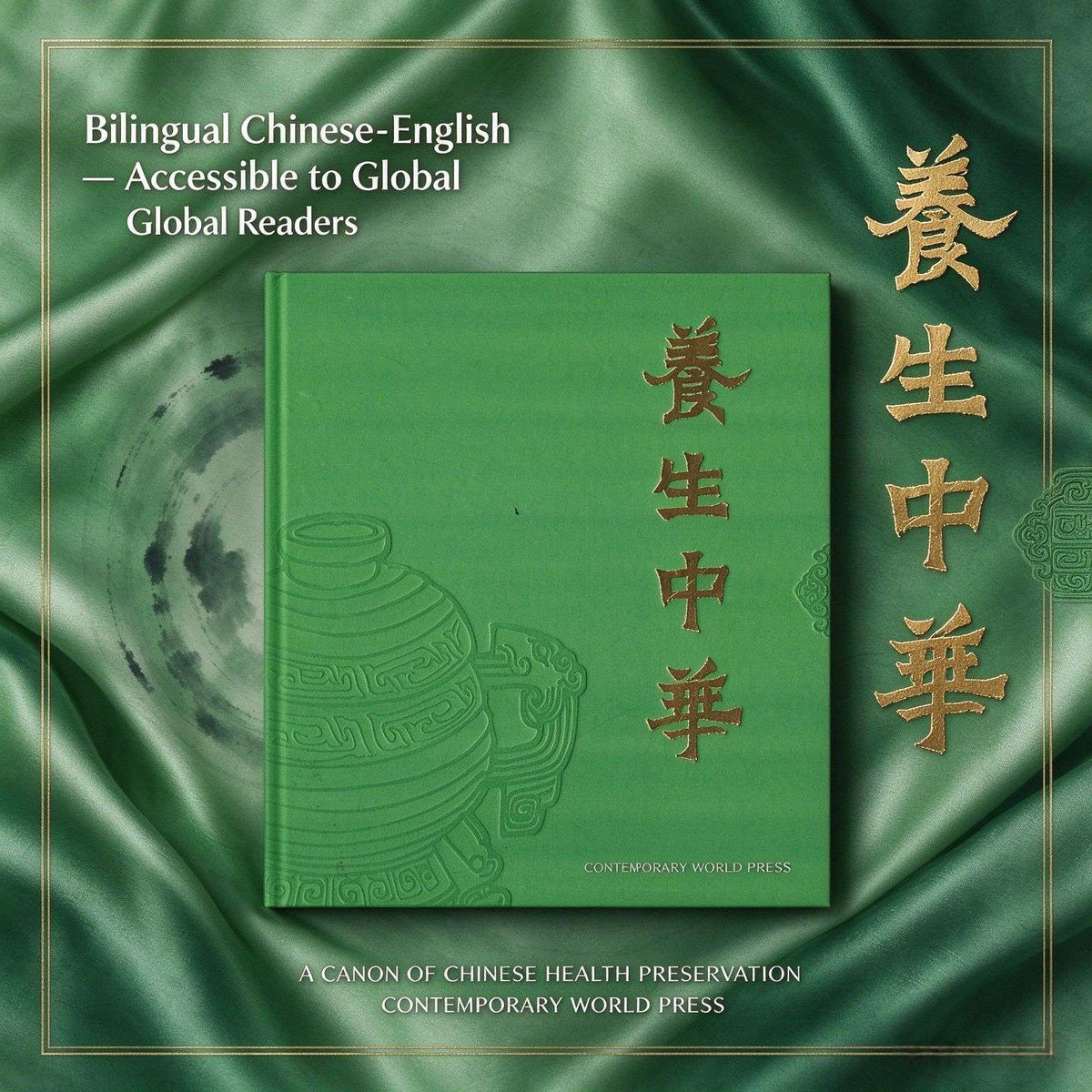
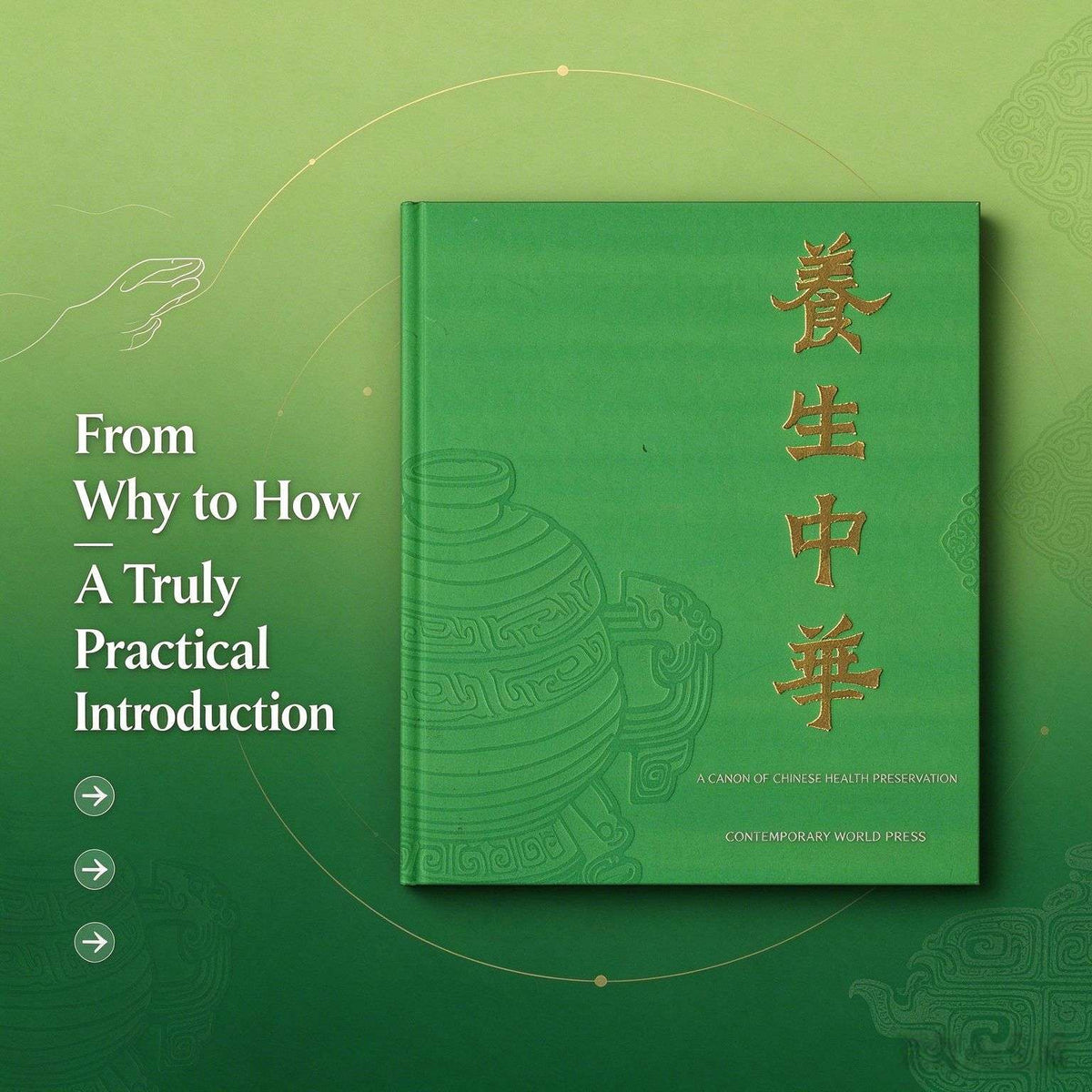
Many people are curious about Chinese wellness traditions but don't know where to begin. The field is vast, the classical texts are dense, and online information is fragmented and often unreliable. A Canon of Chinese Health Regimens was written for exactly these readers.
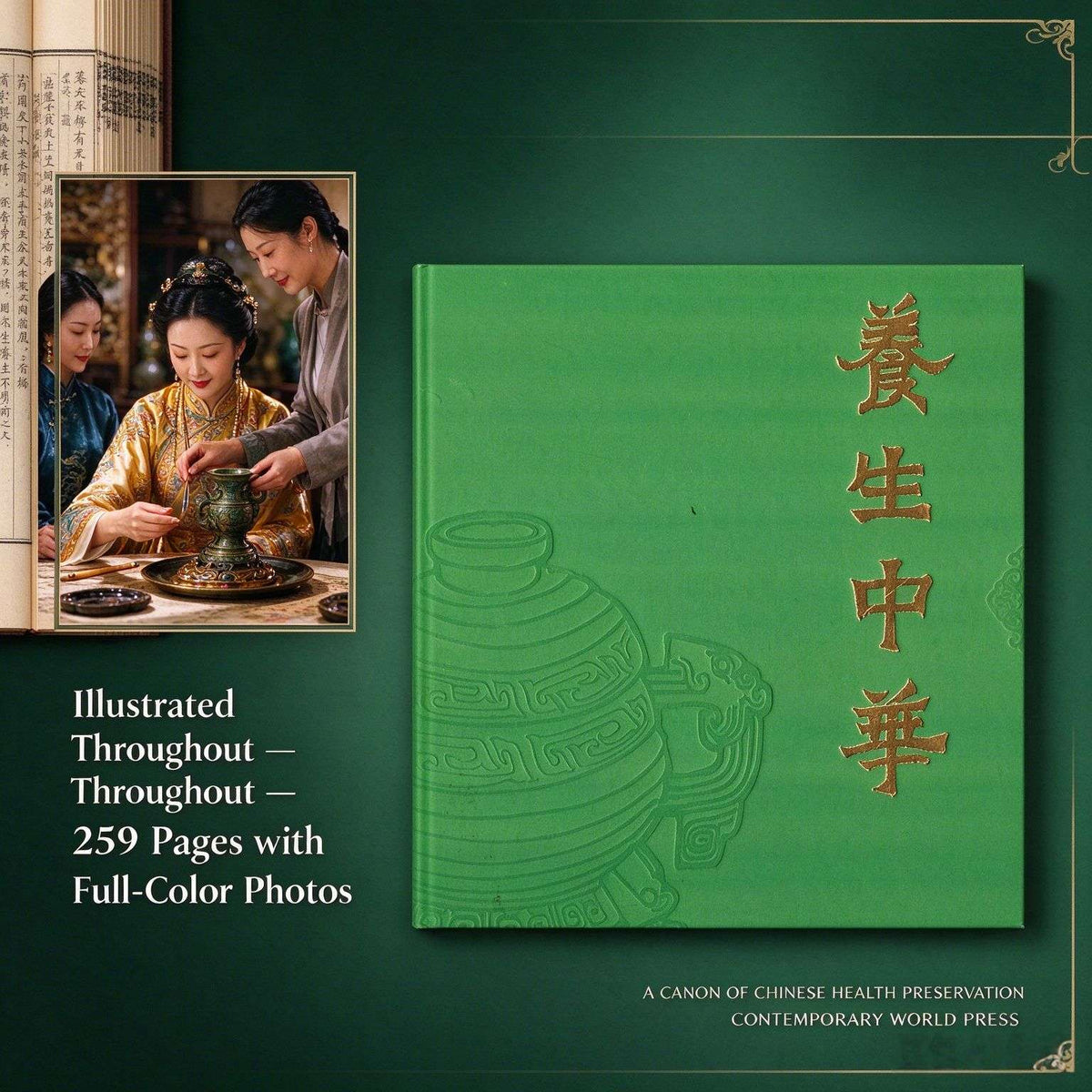
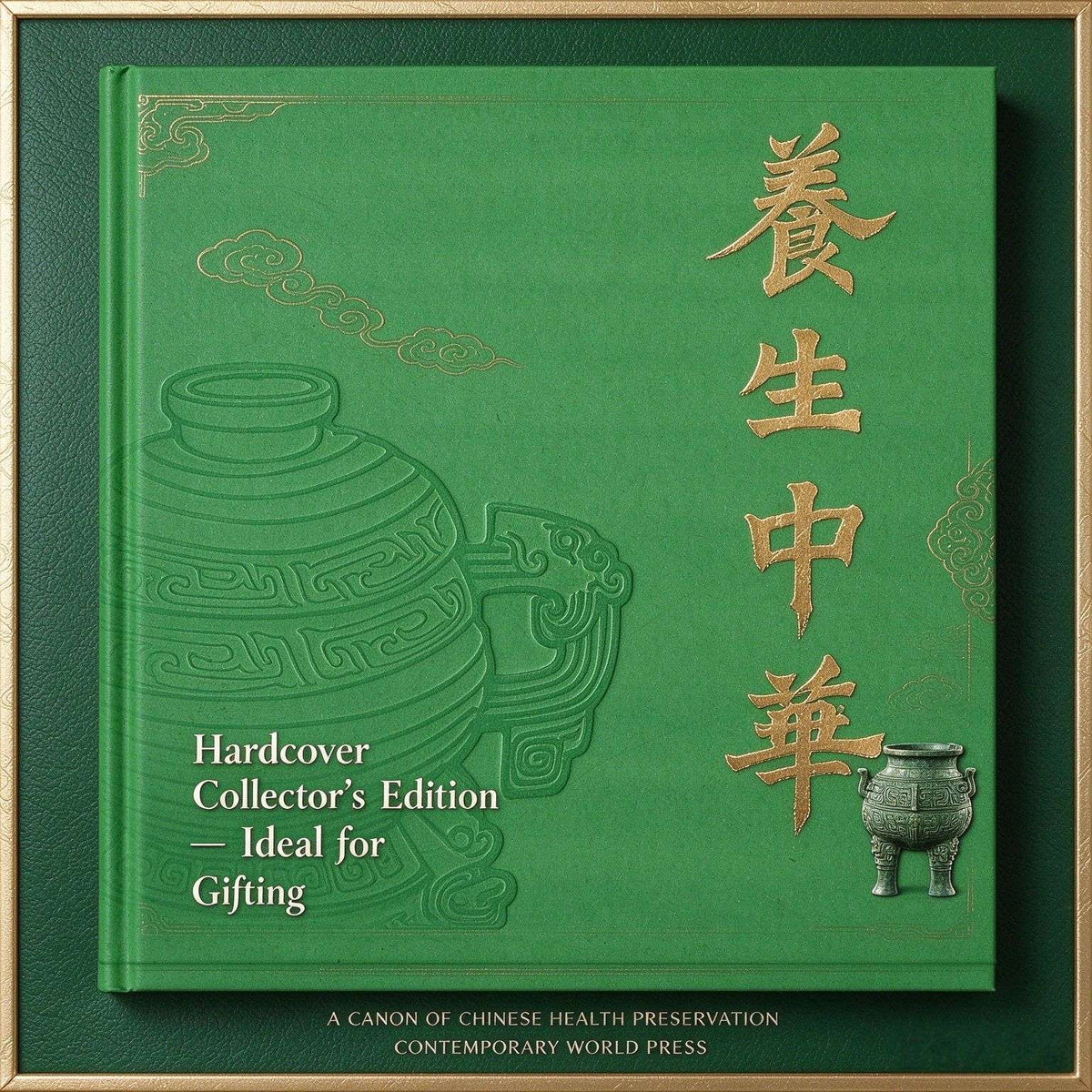
It is not a dry academic tome. It is a systematic, beautifully illustrated, and genuinely readable introduction to Chinese wellness culture.
What's inside?
The book covers the full arc of Chinese health tradition, including:
-
The eight standards of health — what "being healthy" actually means
-
The four main reasons people lose their health — understanding the root causes
-
Four keys to recovery after illness — because what you do after being sick matters as much as what you do during it
-
Three defining features of Chinese wellness culture — the underlying logic explained
-
Daoist regimens, Confucian regimens, and body-cultivation practices — methods from different traditions
-
Seasonal wellness, exercise and labor as health practices, and the classical Yijin Jing (Muscle-Tendon Change Classic)-20
Why trust this book?
The author, Ren Xiran, is a cultural historian who has spent decades making Chinese traditional culture accessible to general readers. He has published over 40 books on humanities, history, and wellness. His works have been selected by the Chinese Language Council International (Hanban) and Confucius Institutes as gift books for introducing Chinese culture to the world-30. This volume was published by Contemporary World Press and features a preface by the renowned physician He Puren-33.
Who is this book for?
-
Readers outside China who are curious about Chinese wellness culture but have no background in traditional Chinese medicine
-
Culture enthusiasts who want to understand why Chinese people live the way they do
-
Anyone looking for an alternative framework for thinking about health and well-being
-
Chinese language learners who want bilingual material on Chinese culture


-
101 Stories for Foreigners to Understand Chinese People (English Edition): Real-Life Lessons on Culture, Etiquette & Getting It Right
Regular price £21.80Regular price£31.00Sale price £21.80DEAL -

24 Solar Terms (English-Chinese Edition): 24 Art Postcards Where Chinese Characters Come to Life
Regular price £19.70Regular price£28.00Sale price £19.70DEAL -
24 Solar Terms Fairy Tale (English-Chinese Edition): A Little Prince‘s Journey Through the Four Seasons
Regular price £18.30Regular price£26.00Sale price £18.30DEAL -
300 Song Lyrics (Chinese-English Edition): Xu Yuanchong’s Translation of Classic Ci Poetry
Regular price £21.80Regular price£30.90Sale price £21.80DEAL -
300 Tang Poems (Chinese-English Edition): Xu Yuanchong’s Rhymed Translation of the Golden Age
Regular price £21.00Regular price£30.00Sale price £21.00DEAL -
300 Yuan Songs (Chinese-English Edition): Xu Yuanchong‘s Translation of Classic Sanqu Poetry
Regular price £21.40Regular price£30.50Sale price £21.40DEAL -
80000 Words English-Chinese / English-English / Chinese-English Dictionary (Two-Color Edition): A Three-in-One Reference for Learners
Regular price £23.40Regular price£33.50Sale price £23.40DEAL -
A Bing Xin Reader (English Edition): Letters to Young Readers & The Little Orange Lamp
Regular price £21.90Regular price£35.00Sale price £21.90DEAL -

A Biography of Xuanzang (English-Chinese Edition): The Monk Who Walked to India, in Ten Scrolls
Regular price £23.50Regular price£34.00Sale price £23.50DEAL -
A Brief Introduction to the Belt and Road Initiative (English Edition): 111 Questions Answered in Plain English
Regular price £25.00Regular price£0.00Sale price £25.00


