


China Logistics Story: Ancient Volume (English-Chinese Edition) – 12 Tales of Canals, Granaries & Sea Routes
China Logistics Story: Ancient Volume (English-Chinese Edition) – 12 Tales of Canals, Granaries & Sea Routes
- 99% Issue-Free
- Secure Checkout
- $10K ID Protect
Security & Service
- Payment
Security - Privacy
Protection - Efficient
Shipping - Customer
Support
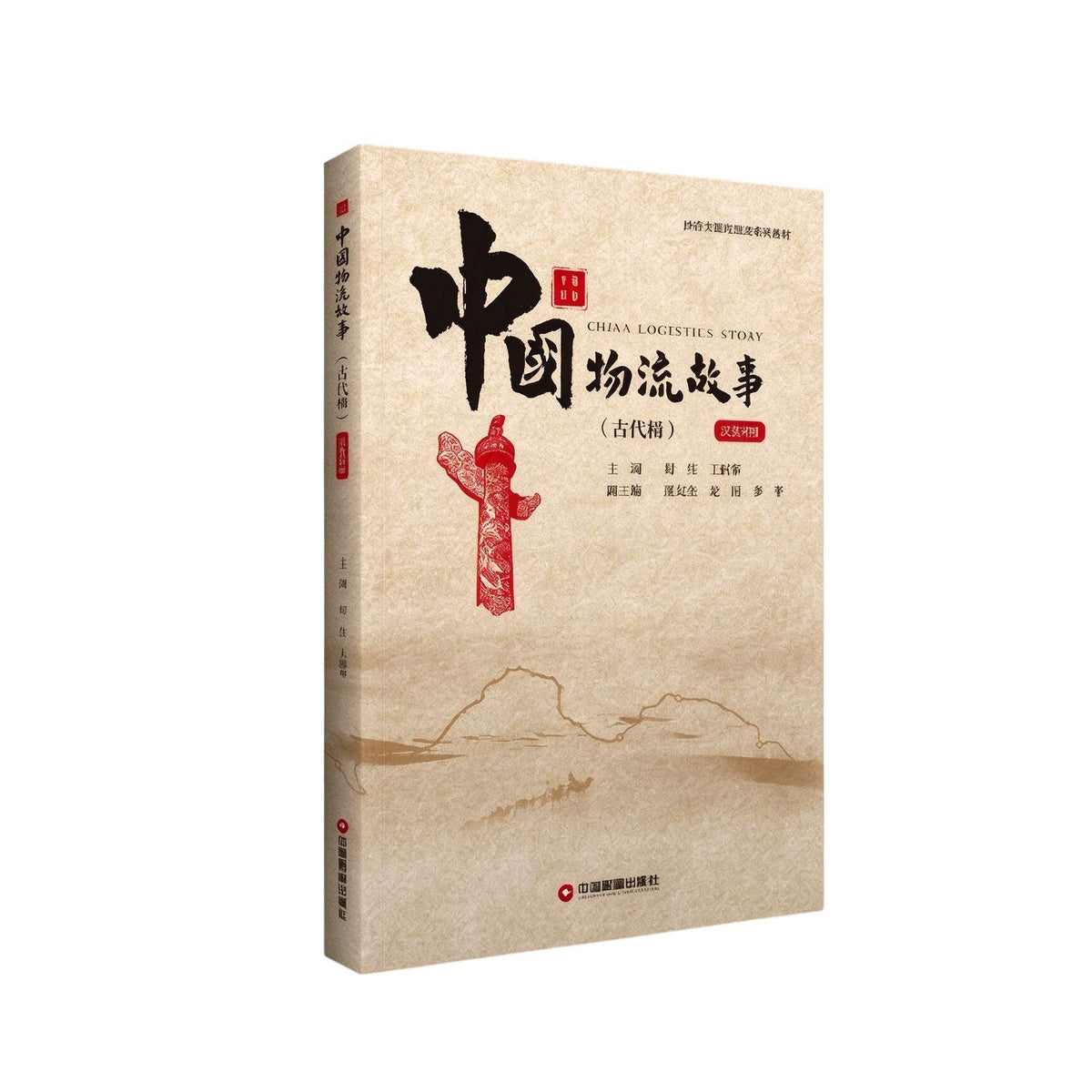
Detail

What is this book actually about?
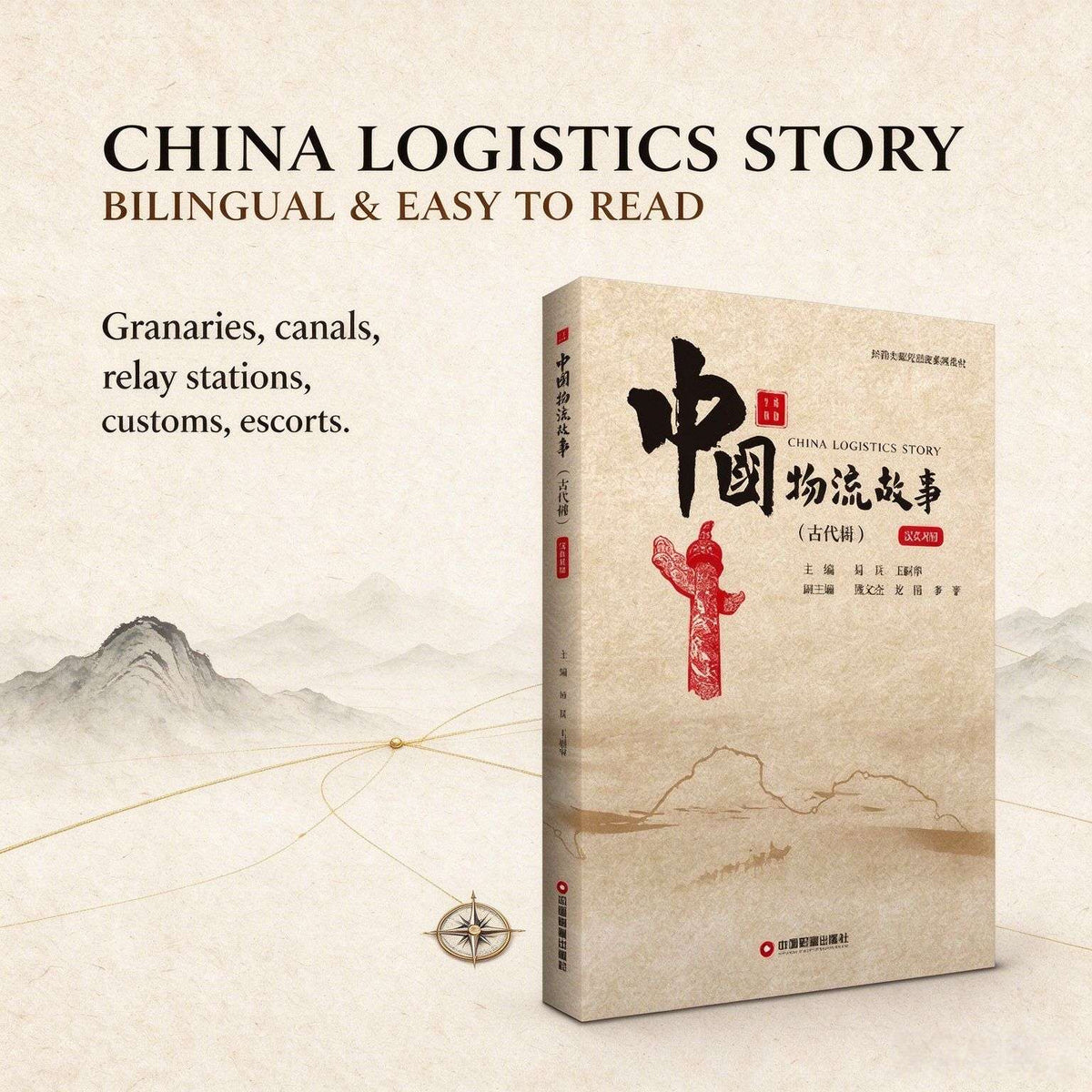
No formulas. No models. This book is about how people in ancient China moved things — grain from the south to the north, troops and supplies to the frontier without railways, and how a single canal kept an entire capital city fed.
It presents 12 historical moments: the Beijing-Hangzhou Grand Canal, the Silk Road, the Hanjia Granary, the “uniform wheelbase” standard, Zheng He's voyages to the West, the Qin Dynasty Direct Road, the escort agency (biao ju), ancient customs, grain transport (cao yun), and the Forbidden City. Each one is a concrete logistics story with a setting, people, decisions, and consequences.-13
How is this different from a regular history book?
A regular history book tells you what happened. This book tells you how things moved. Where a granary was sited. How a canal was divided into sections to manage water levels. How relay stations passed messages forward. How escort agencies organized protection. The details that history books skip over — this book makes them the main story.
Why bilingual?
The book was led by Yi Bing, head of the Logistics Management program at Wuhan Business University, and co-authored with faculty from multiple universities over five years. It is officially designated as a “curriculum ideology textbook” for economics and management programs.-11- The Chinese-English format means Chinese readers get the full original narrative, and English readers can enter the content directly — no language barrier first.
Who should read it?
-
Logistics, supply chain, and transportation students — this is the kind of scenario-rich case material your courses reference
-
Cross-border e-commerce and international logistics professionals — understand where Chinese logistics thinking comes from
-
Chinese readers interested in business and economic history
-
Overseas readers who want to read real Chinese stories in English, or anyone who needs to explain Chinese civilization to a foreign audience


-
101 Stories for Foreigners to Understand Chinese People (English Edition): Real-Life Lessons on Culture, Etiquette & Getting It Right
Regular price £21.80Regular price£31.00Sale price £21.80DEAL -

24 Solar Terms (English-Chinese Edition): 24 Art Postcards Where Chinese Characters Come to Life
Regular price £19.70Regular price£28.00Sale price £19.70DEAL -
24 Solar Terms Fairy Tale (English-Chinese Edition): A Little Prince‘s Journey Through the Four Seasons
Regular price £18.30Regular price£26.00Sale price £18.30DEAL -
300 Song Lyrics (Chinese-English Edition): Xu Yuanchong’s Translation of Classic Ci Poetry
Regular price £21.80Regular price£30.90Sale price £21.80DEAL -
300 Tang Poems (Chinese-English Edition): Xu Yuanchong’s Rhymed Translation of the Golden Age
Regular price £21.00Regular price£30.00Sale price £21.00DEAL -
300 Yuan Songs (Chinese-English Edition): Xu Yuanchong‘s Translation of Classic Sanqu Poetry
Regular price £21.40Regular price£30.50Sale price £21.40DEAL -
80000 Words English-Chinese / English-English / Chinese-English Dictionary (Two-Color Edition): A Three-in-One Reference for Learners
Regular price £23.40Regular price£33.50Sale price £23.40DEAL -
A Bing Xin Reader (English Edition): Letters to Young Readers & The Little Orange Lamp
Regular price £21.90Regular price£35.00Sale price £21.90DEAL -

A Biography of Xuanzang (English-Chinese Edition): The Monk Who Walked to India, in Ten Scrolls
Regular price £23.50Regular price£34.00Sale price £23.50DEAL -
A Brief Introduction to the Belt and Road Initiative (English Edition): 111 Questions Answered in Plain English
Regular price £25.00Regular price£0.00Sale price £25.00


