


Chinese Baijiu Culture (English-Chinese Dictionary): The World’s First Bilingual Dictionary of Baijiu, 20,000 Entries
Chinese Baijiu Culture (English-Chinese Dictionary): The World’s First Bilingual Dictionary of Baijiu, 20,000 Entries
- 99% Issue-Free
- Secure Checkout
- $10K ID Protect
Security & Service
- Payment
Security - Privacy
Protection - Efficient
Shipping - Customer
Support
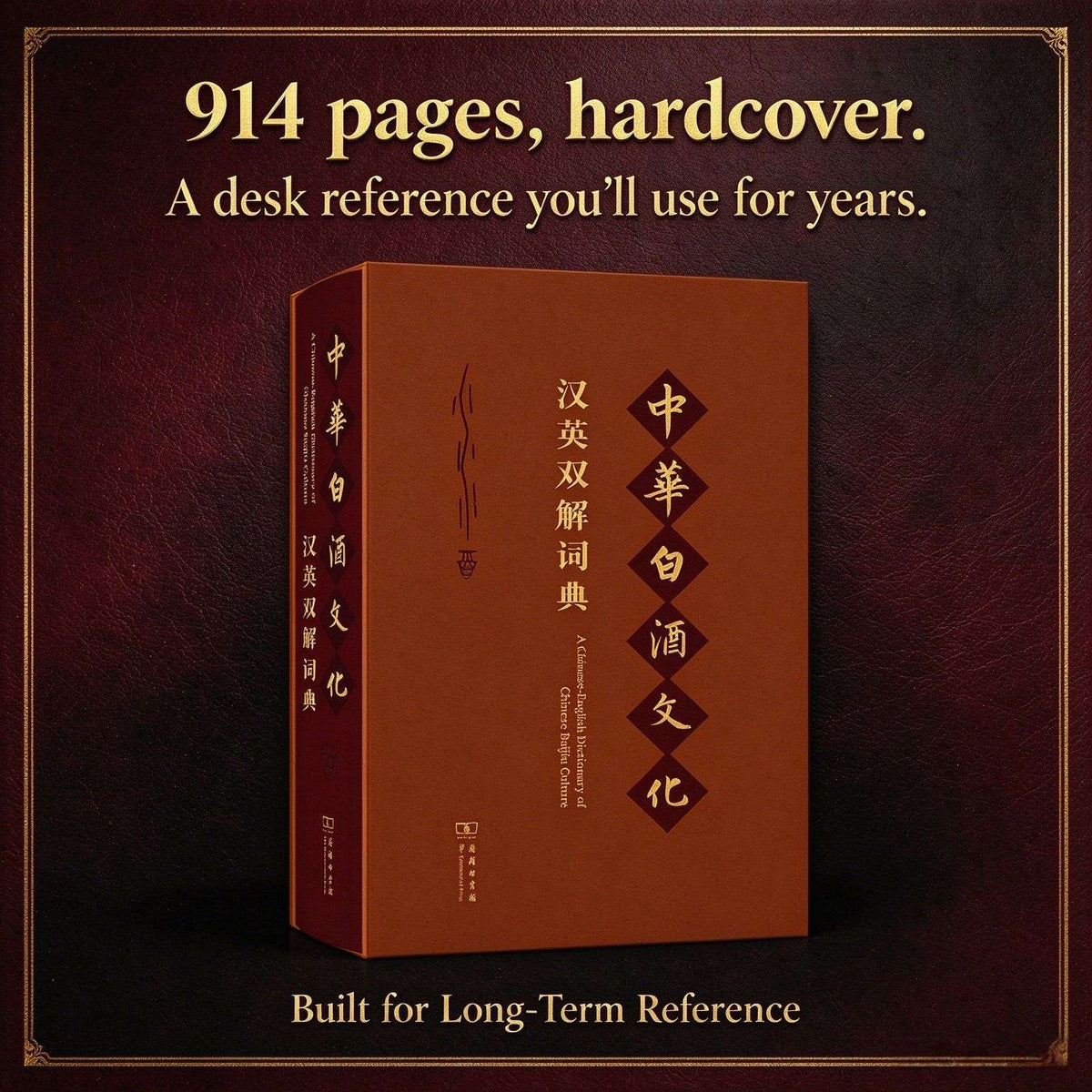
Detail

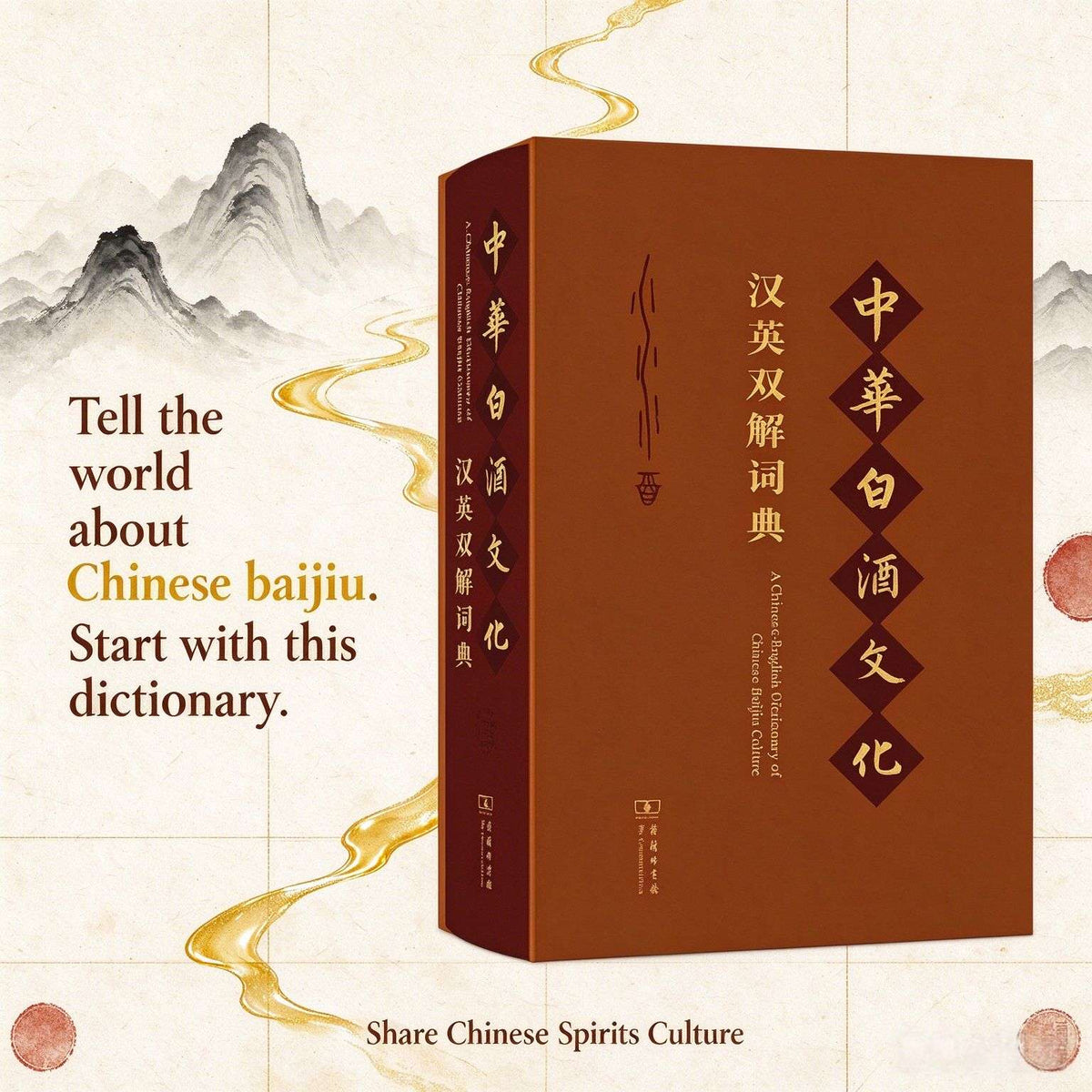
Did you know? Chinese baijiu has its own English name — “baijiu.”
Japanese sake. Russian vodka. French cognac. And now — Chinese baijiu.
For decades, the world’s most consumed spirit had no standard English identity. Translators struggled. Exporters improvised. Cultural exchanges lost something in every translation. This dictionary changed that.
If your work or passion involves Chinese spirits, you already know the frustration: reliable English-language resources on baijiu are almost nonexistent. Trying to explain “sauce-aroma baijiu” to an international client? Searching for the right English term for a traditional fermentation process? You won’t find it in a general dictionary — because it doesn’t exist there.
What this dictionary does for you
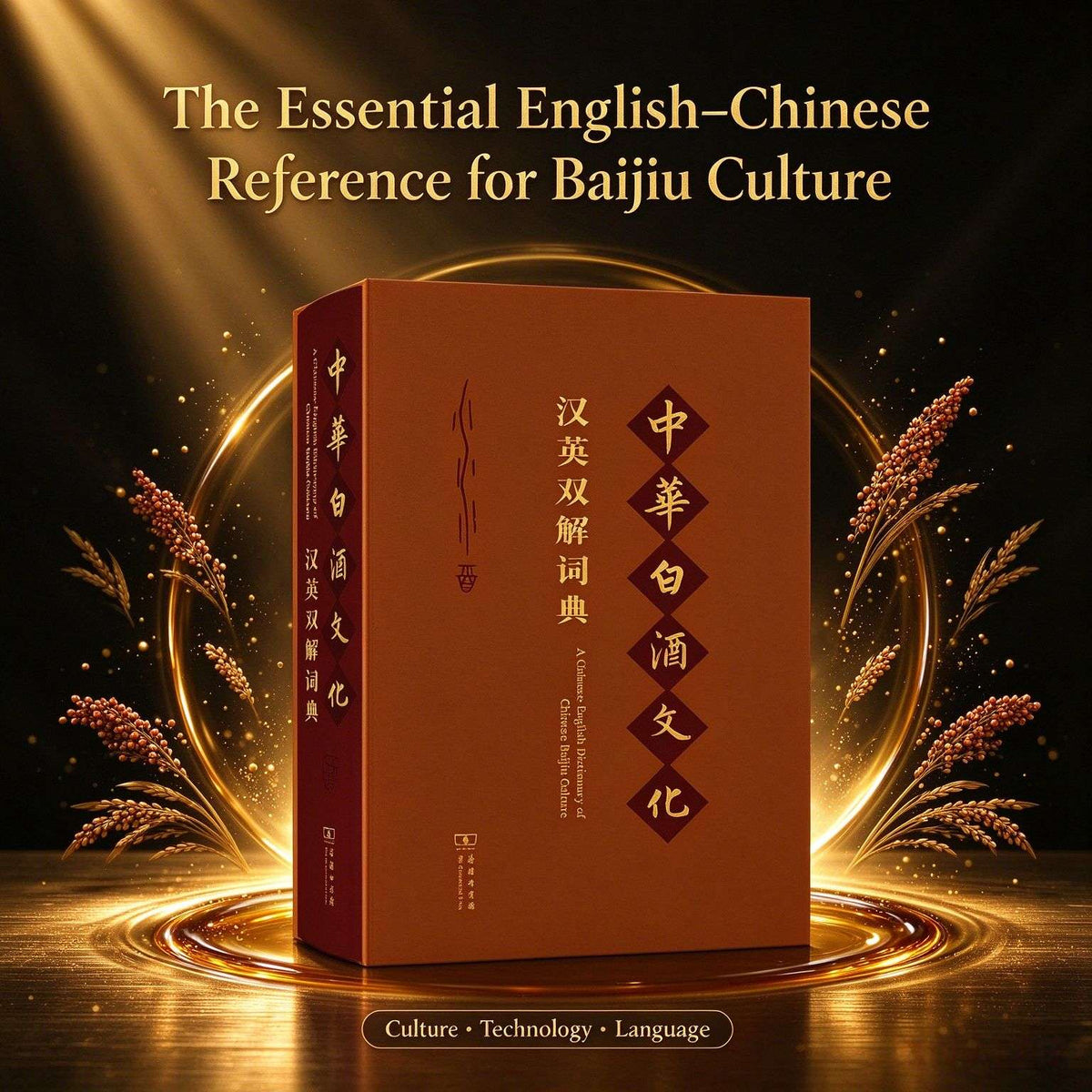
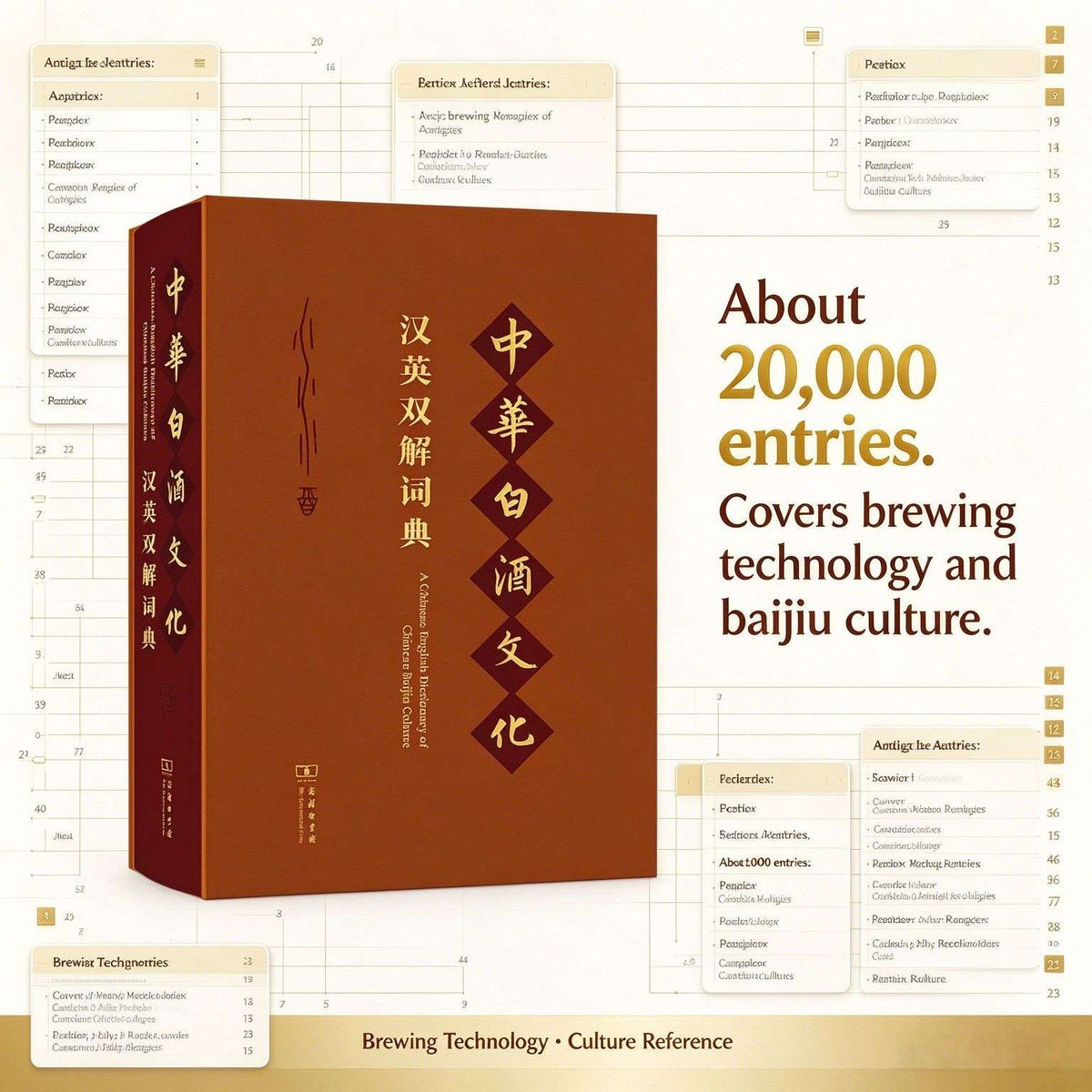
A professional reference you can trust. With approximately 20,000 entries, the dictionary is organized into two major categories: Baijiu Technology and Baijiu Culture. The Technology section covers six subcategories — baijiu categories, brewing materials, starter (qu) production, brewing processes, blend design, and quality standards. The Culture section covers four — drinking etiquette and customs, names and vessels, people and stories, and literary arts. From sorghum to cellar pits, from fermentation to blending — no stone is left unturned.
Bilingual definitions, not just translations. Every entry includes both Chinese and English explanations, using descriptive and explanatory methods to help you truly understand each concept. This matters especially for translators, trade professionals, and cross-border sellers — you need to get the term right and explain it clearly.
Published by The Commercial Press — China’s gold standard in dictionary publishing. Founded in 1897, The Commercial Press is the most respected name in Chinese reference publishing. Editor-in-Chief Professor Yun Hong led a team from Sichuan University of Science & Engineering’s China Baijiu College to compile this landmark work. Song Shuyu, Chairman of the China Alcoholic Drinks Association, endorsed it personally, saying the dictionary “brings China’s history and culture, the magical process of baijiu brewing, and the characteristics of baijiu to people in every country and region.”
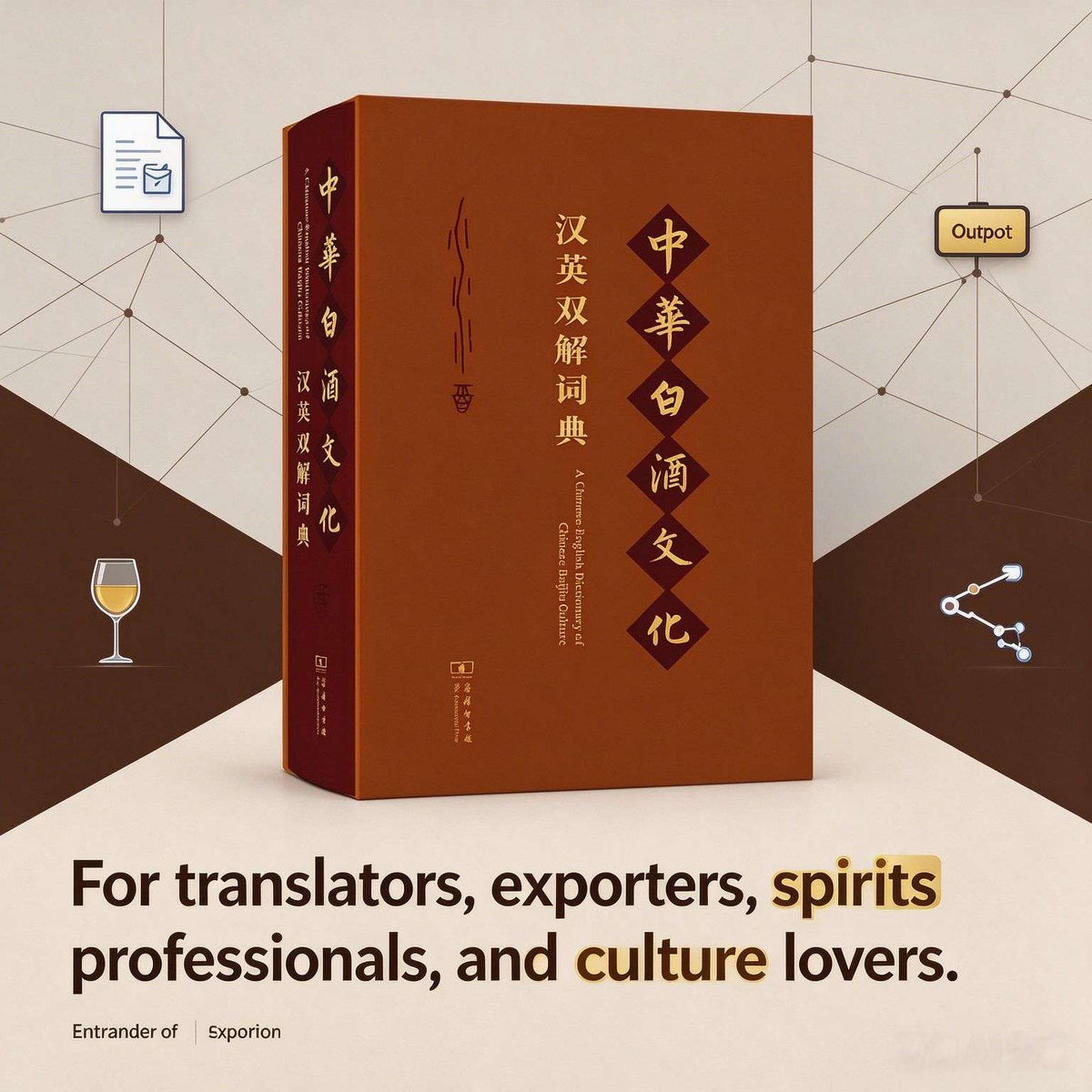
Who is this for?
-
Translators and language professionals — your authoritative reference for Chinese wine culture content.
-
Spirits trade and export professionals — present your products to international clients with standardized, professional terminology.
-
Cultural communicators — sinologists, cultural exchange workers, and Chinese language teachers who tell the story of Chinese baijiu to the world.
-
Spirits enthusiasts and sommeliers — understand Chinese baijiu from both a technical and cultural perspective.
-
Industry practitioners — a reliable reference for international standards work and cross-border communication.


-
101 Stories for Foreigners to Understand Chinese People (English Edition): Real-Life Lessons on Culture, Etiquette & Getting It Right
Regular price £21.80Regular price£31.00Sale price £21.80DEAL -

24 Solar Terms (English-Chinese Edition): 24 Art Postcards Where Chinese Characters Come to Life
Regular price £19.70Regular price£28.00Sale price £19.70DEAL -
24 Solar Terms Fairy Tale (English-Chinese Edition): A Little Prince‘s Journey Through the Four Seasons
Regular price £18.30Regular price£26.00Sale price £18.30DEAL -
300 Song Lyrics (Chinese-English Edition): Xu Yuanchong’s Translation of Classic Ci Poetry
Regular price £21.80Regular price£30.90Sale price £21.80DEAL -
300 Tang Poems (Chinese-English Edition): Xu Yuanchong’s Rhymed Translation of the Golden Age
Regular price £21.00Regular price£30.00Sale price £21.00DEAL -
300 Yuan Songs (Chinese-English Edition): Xu Yuanchong‘s Translation of Classic Sanqu Poetry
Regular price £21.40Regular price£30.50Sale price £21.40DEAL -
80000 Words English-Chinese / English-English / Chinese-English Dictionary (Two-Color Edition): A Three-in-One Reference for Learners
Regular price £23.40Regular price£33.50Sale price £23.40DEAL -
A Bing Xin Reader (English Edition): Letters to Young Readers & The Little Orange Lamp
Regular price £21.90Regular price£35.00Sale price £21.90DEAL -

A Biography of Xuanzang (English-Chinese Edition): The Monk Who Walked to India, in Ten Scrolls
Regular price £23.50Regular price£34.00Sale price £23.50DEAL -
A Brief Introduction to the Belt and Road Initiative (English Edition): 111 Questions Answered in Plain English
Regular price £25.00Regular price£0.00Sale price £25.00


