


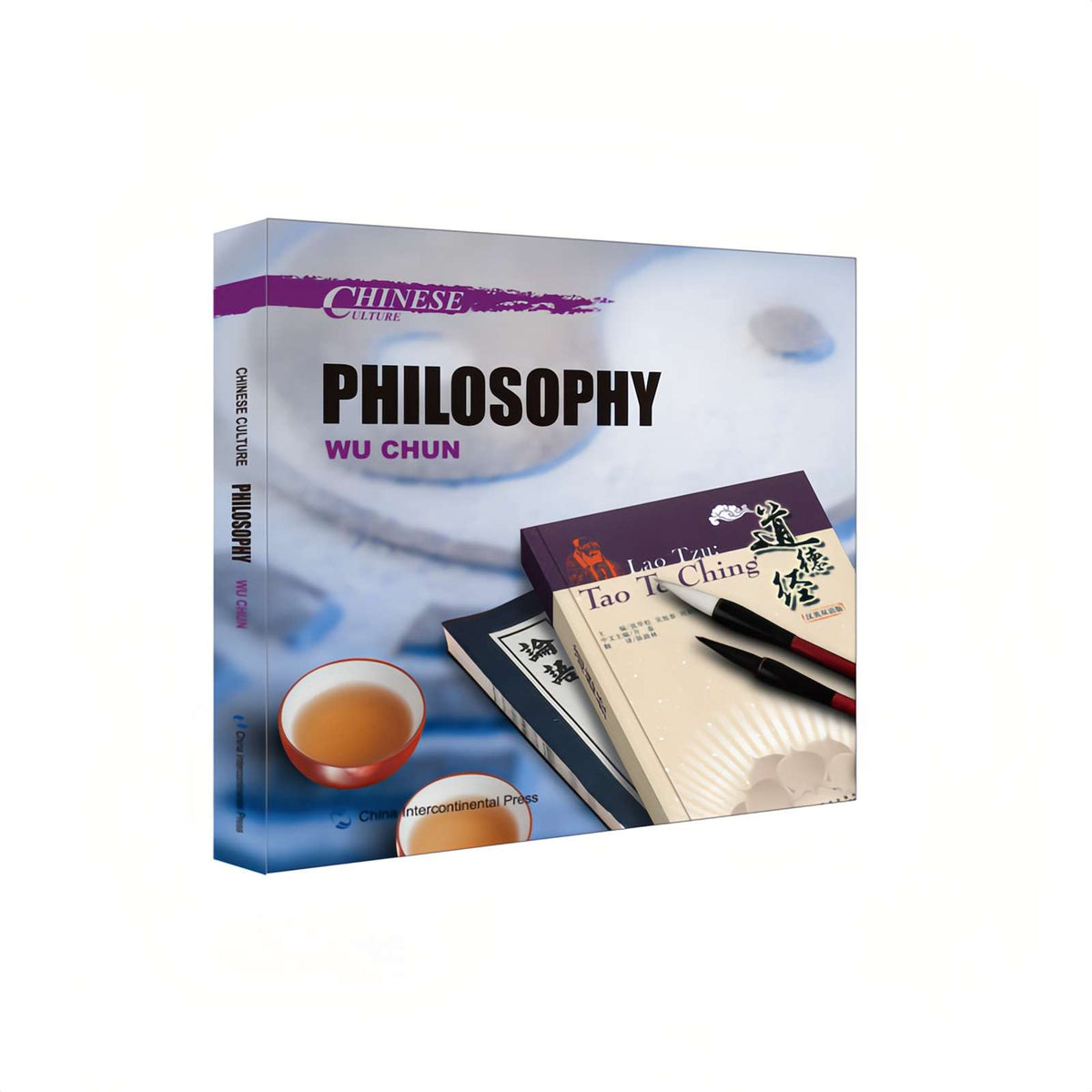
Chinese Culture: Philosophic Thinking (English Edition): A Topic-Based Introduction to Chinese Philosophy
Chinese Culture: Philosophic Thinking (English Edition): A Topic-Based Introduction to Chinese Philosophy
- 99% Issue-Free
- Secure Checkout
- $10K ID Protect
Security & Service
- Payment
Security - Privacy
Protection - Efficient
Shipping - Customer
Support
Detail

Unlock the Timeless Wisdom of Ancient China
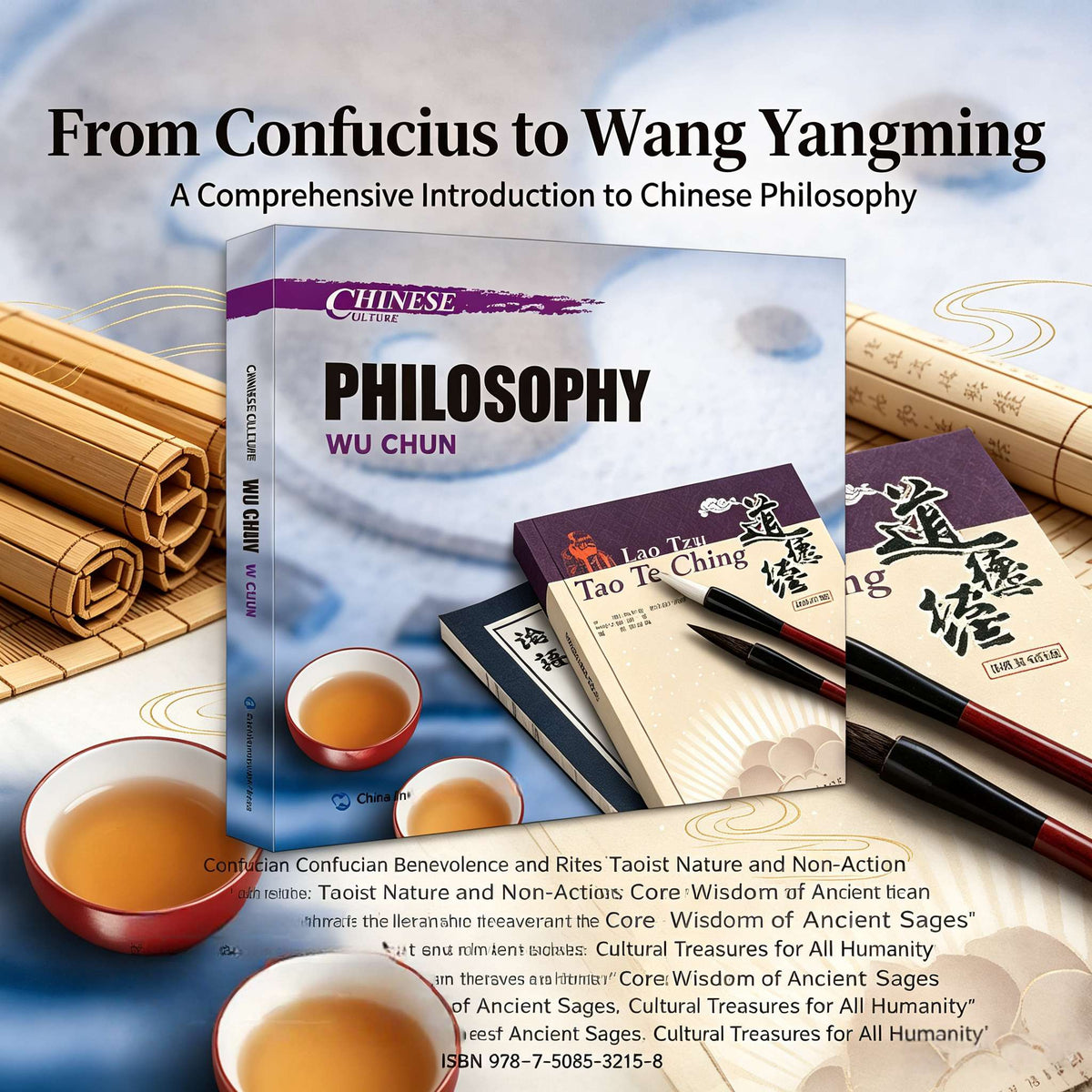
Have you ever wondered about the deeper ideas behind Chinese culture—beyond kung fu and fortune cookies? Chinese Culture: Philosophic Thinking offers a clear, thematic introduction to the core ideas that have shaped Chinese civilization for over two millennia.
Unlike history books that just list dates, this guide organizes Chinese philosophy around five fundamental questions that get to the heart of human existence -7-10:
-
What is the Nature of the World? Explore concepts like Yin-Yang, the Five Elements, and the cosmic forces of Dao (the Way), Li (Principle), and Qi (Vital Energy) -3-11.
-
What are the Relationships Between Things? Discover the dialectical outlook of ancient thinkers on opposition, change, and the holistic view of the universe -12.
-
What are Social Norms? Delve into the moral principles of Confucianism, the importance of Rites (Li), and the contrasting paths of Taoism and Legalism -3-11.
-
What is the Proper Orientation of Life? Learn about the ideal Confucian character, Mencius’ belief in the goodness of human nature, and the Taoist outlook on life from Laozi and Zhuangzi -3-11.
-
What is the Structure of Knowledge? Understand how ancient scholars viewed the relationship between knowledge and action, and the process of "investigating things" to gain wisdom


-
101 Stories for Foreigners to Understand Chinese People (English Edition): Real-Life Lessons on Culture, Etiquette & Getting It Right
Regular price £21.80Regular price£31.00Sale price £21.80DEAL -

24 Solar Terms (English-Chinese Edition): 24 Art Postcards Where Chinese Characters Come to Life
Regular price £19.70Regular price£28.00Sale price £19.70DEAL -
24 Solar Terms Fairy Tale (English-Chinese Edition): A Little Prince‘s Journey Through the Four Seasons
Regular price £18.30Regular price£26.00Sale price £18.30DEAL -
300 Song Lyrics (Chinese-English Edition): Xu Yuanchong’s Translation of Classic Ci Poetry
Regular price £21.80Regular price£30.90Sale price £21.80DEAL -
300 Tang Poems (Chinese-English Edition): Xu Yuanchong’s Rhymed Translation of the Golden Age
Regular price £21.00Regular price£30.00Sale price £21.00DEAL -
300 Yuan Songs (Chinese-English Edition): Xu Yuanchong‘s Translation of Classic Sanqu Poetry
Regular price £21.40Regular price£30.50Sale price £21.40DEAL -
80000 Words English-Chinese / English-English / Chinese-English Dictionary (Two-Color Edition): A Three-in-One Reference for Learners
Regular price £23.40Regular price£33.50Sale price £23.40DEAL -
A Bing Xin Reader (English Edition): Letters to Young Readers & The Little Orange Lamp
Regular price £21.90Regular price£35.00Sale price £21.90DEAL -

A Biography of Xuanzang (English-Chinese Edition): The Monk Who Walked to India, in Ten Scrolls
Regular price £23.50Regular price£34.00Sale price £23.50DEAL -
A Brief Introduction to the Belt and Road Initiative (English Edition): 111 Questions Answered in Plain English
Regular price £25.00Regular price£0.00Sale price £25.00


