


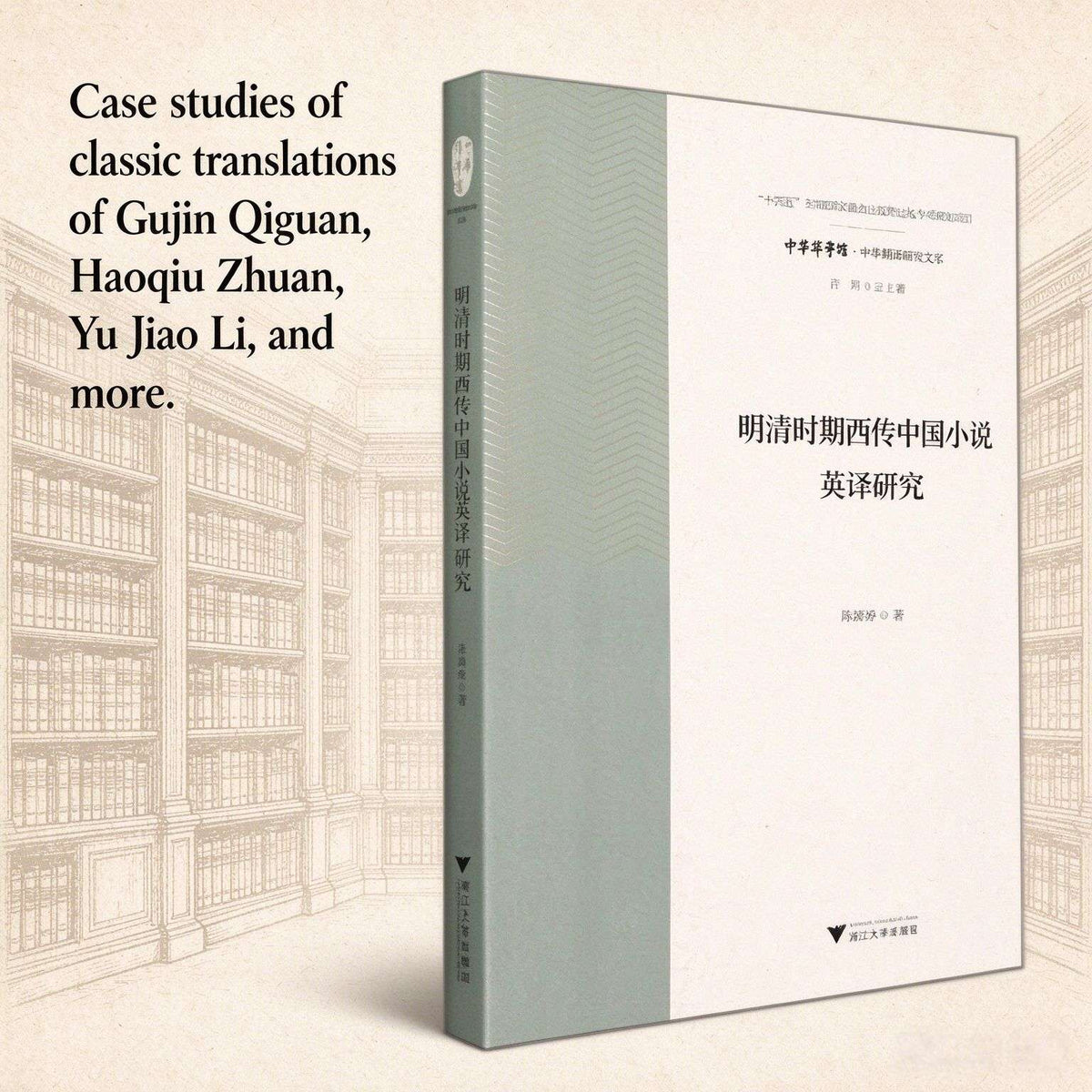
Chinese Fiction in English Translation, Ming to Qing (Bilingual Edition): The First Translations & Their Misreadings
Chinese Fiction in English Translation, Ming to Qing (Bilingual Edition): The First Translations & Their Misreadings
- 99% Issue-Free
- Secure Checkout
- $10K ID Protect
Security & Service
- Payment
Security - Privacy
Protection - Efficient
Shipping - Customer
Support
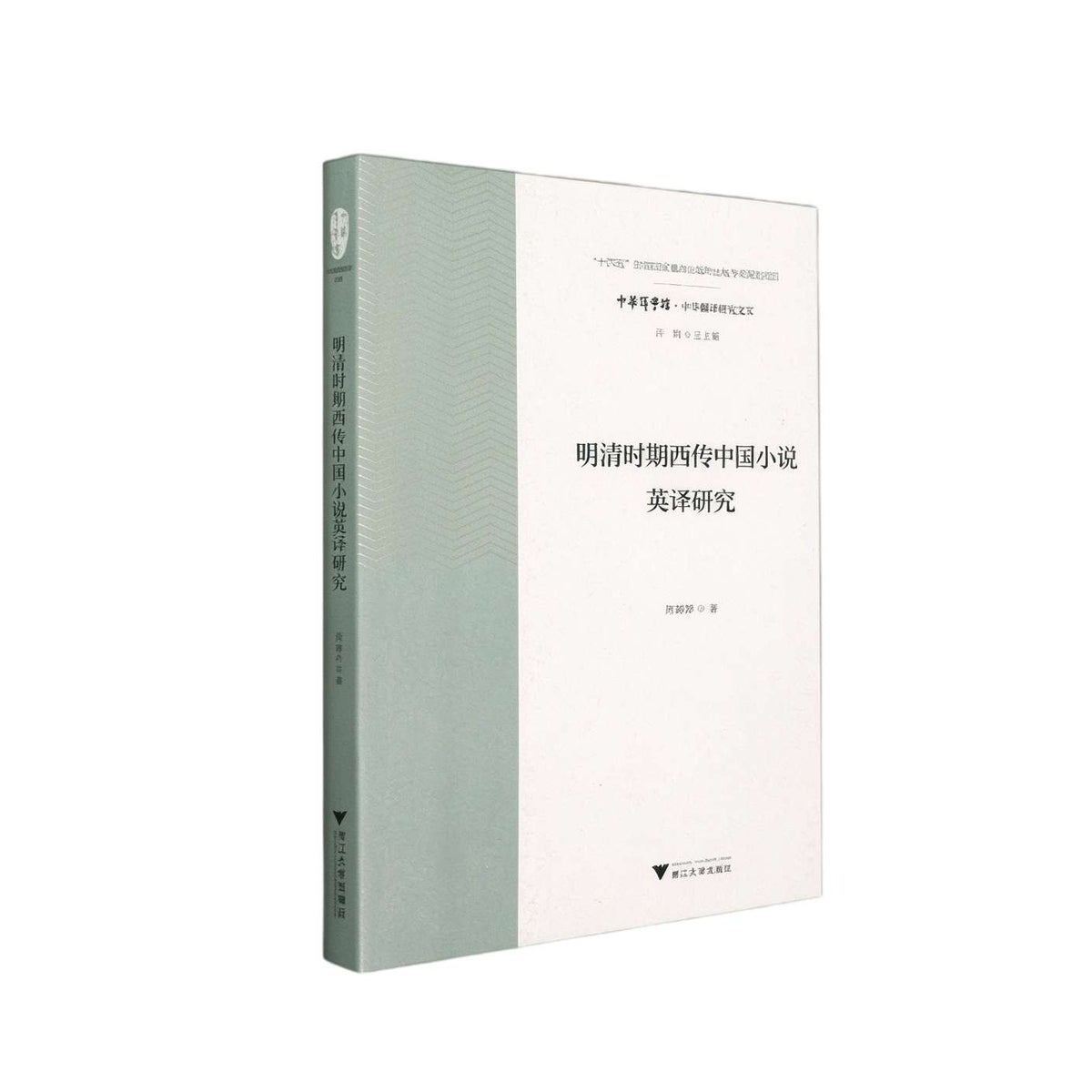
Detail

What Is This Book About?
How were classic Chinese novels first translated into English? What happened when Western readers encountered stories likeHaoqiu ZhuanandYu Jiao Lifor the first time? What was preserved, rewritten, or removed in translation? This book answers these questions systematically.
How Chinese Classical Novels Traveled to the Westis divided into six chapters, beginning with the origins of "Chinese learning spreading westward" and then examining key translations one by one — includingGujin Qiguan,Haoqiu Zhuan, andYu Jiao Li. The author analyzes not only translation strategies and linguistic choices, but also the backgrounds of the translators, how religious terminology was adapted, and how Western Romanticism shaped the presentation of these Chinese stories-20. In other words, this book goes beyond "how it was translated" to explore "what happened behind the translation."
Who Is This Book For?
-
Scholars and graduate students in translation studies: Packed with case studies of Ming-Qing novel translations that can be directly used in academic research and writing.
-
Researchers in comparative literature and Chinese literature: Offers a fresh perspective on how Chinese literature was received in the West, broadening your research scope.
-
Anyone interested in how Chinese culture travels abroad: Provides historical insight into the challenges and opportunities of cross-cultural literary transmission — directly relevant to today's cultural exchange efforts.
-
Translation students: The comparative analysis of multiple translations makes this an excellent resource for learning literary translation.
Why Should You Buy It?
First, this book is the final output of a National Social Science Fund project on the misinterpretation of Ming-Qing Chinese novels in the West, and it was selected for China's 14th Five-Year Plan National Key Publication Program — a mark of serious academic quality-22.
Second, the author Chen Tingting has long specialized in this field. The book draws on extensive primary sources and translation texts, including detailed analyses of the Davis translation ofHaoqiu Zhuanand the various translations ofYu Jiao Li. It's a substantive, research-driven work — not a surface-level overview.


-
101 Stories for Foreigners to Understand Chinese People (English Edition): Real-Life Lessons on Culture, Etiquette & Getting It Right
Regular price £21.80Regular price£31.00Sale price £21.80DEAL -

24 Solar Terms (English-Chinese Edition): 24 Art Postcards Where Chinese Characters Come to Life
Regular price £19.70Regular price£28.00Sale price £19.70DEAL -
24 Solar Terms Fairy Tale (English-Chinese Edition): A Little Prince‘s Journey Through the Four Seasons
Regular price £18.30Regular price£26.00Sale price £18.30DEAL -
300 Song Lyrics (Chinese-English Edition): Xu Yuanchong’s Translation of Classic Ci Poetry
Regular price £21.80Regular price£30.90Sale price £21.80DEAL -
300 Tang Poems (Chinese-English Edition): Xu Yuanchong’s Rhymed Translation of the Golden Age
Regular price £21.00Regular price£30.00Sale price £21.00DEAL -
300 Yuan Songs (Chinese-English Edition): Xu Yuanchong‘s Translation of Classic Sanqu Poetry
Regular price £21.40Regular price£30.50Sale price £21.40DEAL -
80000 Words English-Chinese / English-English / Chinese-English Dictionary (Two-Color Edition): A Three-in-One Reference for Learners
Regular price £23.40Regular price£33.50Sale price £23.40DEAL -
A Bing Xin Reader (English Edition): Letters to Young Readers & The Little Orange Lamp
Regular price £21.90Regular price£35.00Sale price £21.90DEAL -

A Biography of Xuanzang (English-Chinese Edition): The Monk Who Walked to India, in Ten Scrolls
Regular price £23.50Regular price£34.00Sale price £23.50DEAL -
A Brief Introduction to the Belt and Road Initiative (English Edition): 111 Questions Answered in Plain English
Regular price £25.00Regular price£0.00Sale price £25.00


