


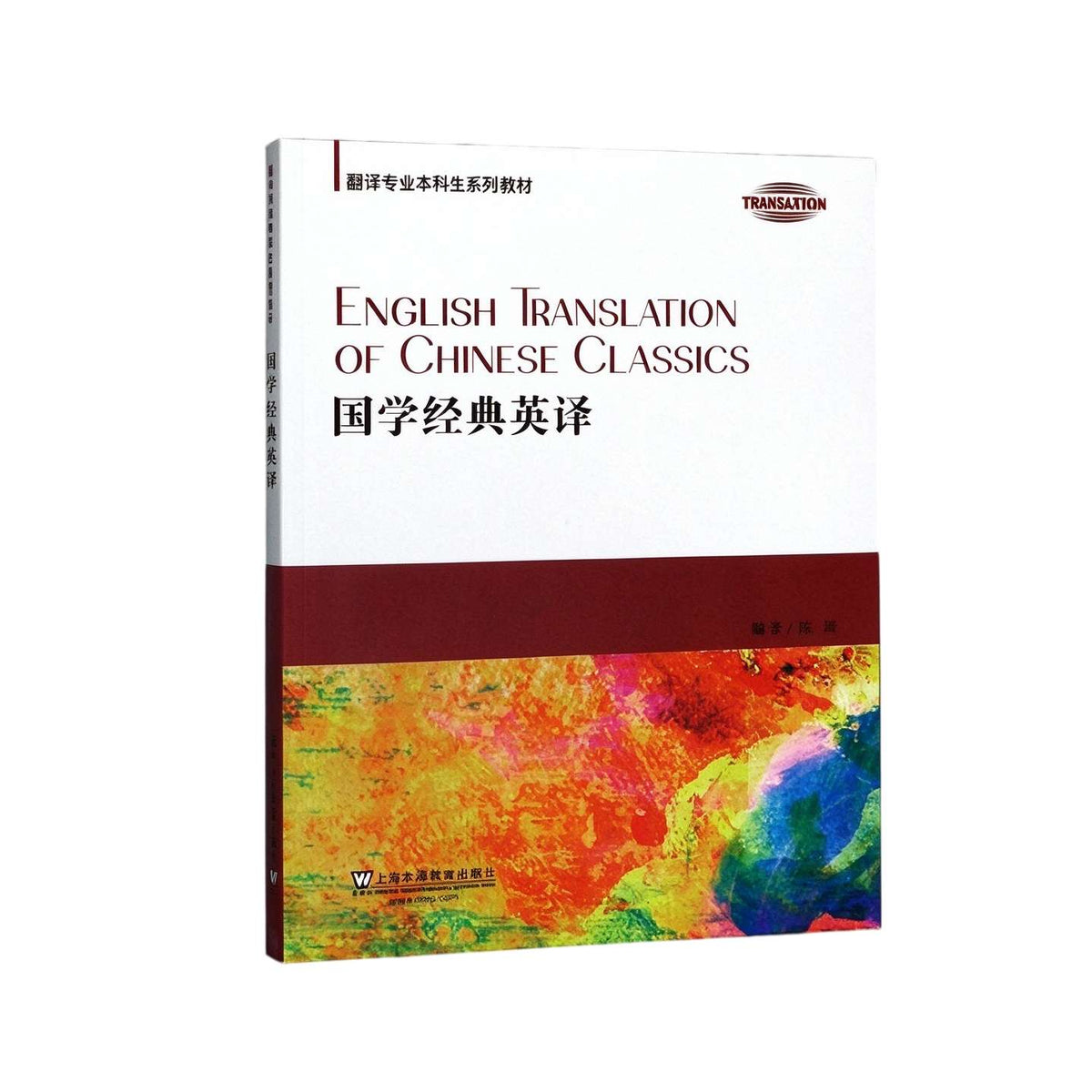
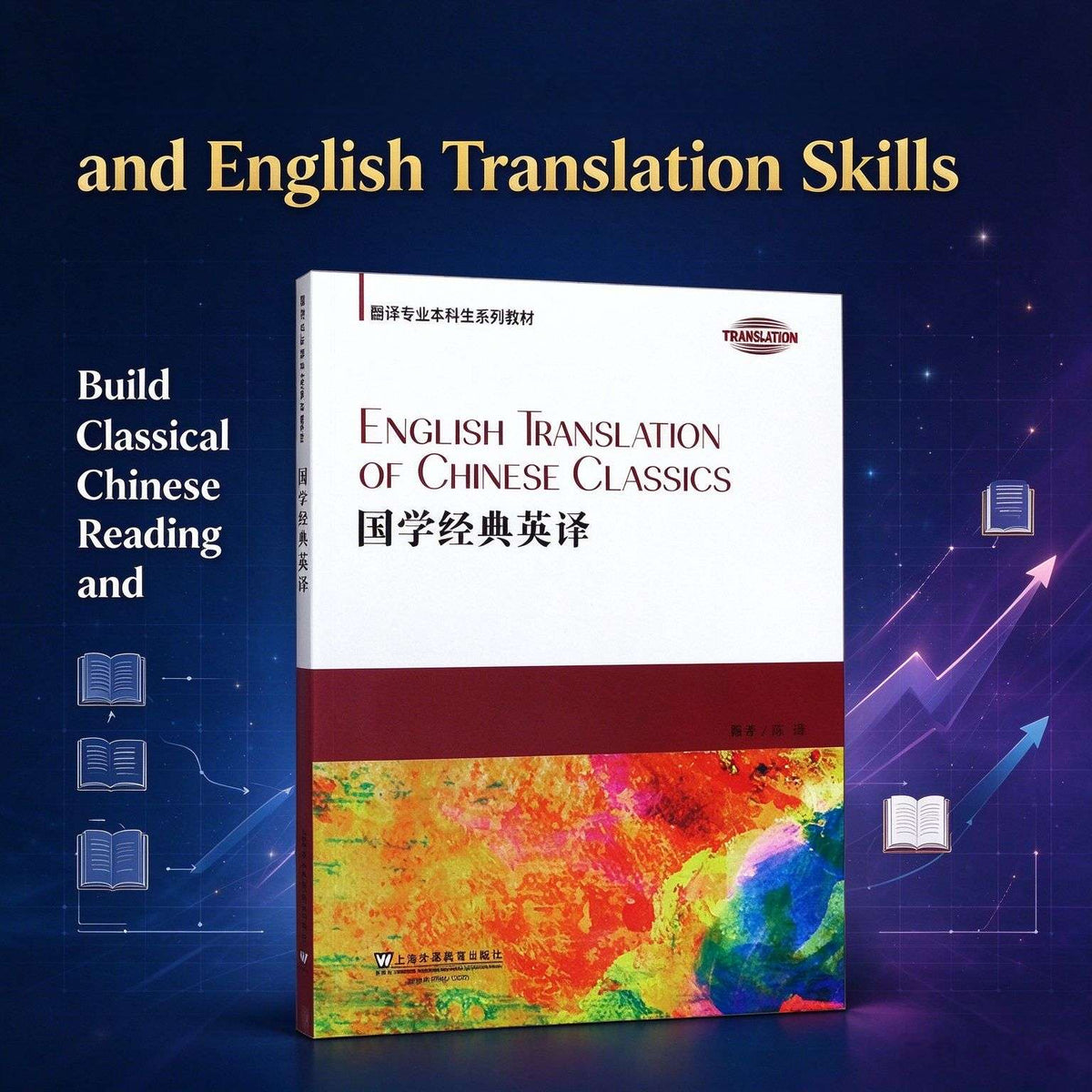
English Translation of Chinese Classics (Bilingual Edition): A Comparative Guide to Translating the Four Classics
English Translation of Chinese Classics (Bilingual Edition): A Comparative Guide to Translating the Four Classics
- 99% Issue-Free
- Secure Checkout
- $10K ID Protect
Security & Service
- Payment
Security - Privacy
Protection - Efficient
Shipping - Customer
Support
Detail

Have you ever read an English translation of the Analects and felt something was “off” — even though every word seemed correct?
Take the concept of ren (仁). Some translators render it as benevolence. Others choose humaneness, or goodness. Which is more accurate? Why do different translators land on completely different English words for the same Chinese term?
This book answers exactly that question.
It doesn’t ask you to slog through the classics from beginning to end. Instead, it teaches you how to compare translations: how different translators handled the same passage, why they made the choices they did, and how to evaluate which translation works better.
What’s inside?
The book covers four classics: Great Learning (《大学》), Analects (《论语》), Doctrine of the Mean (《中庸》), and Dao De Jing (《道德经》). Each chapter follows a clear structure:
-
Why does this text matter? A concise overview of its philosophical significance.
-
A survey of English translations. Who translated it, when, and how — giving you the full picture.
-
Side-by-side translation analysis. The heart of the book: key passages are presented alongside multiple representative translations, with detailed commentary on strategy, accuracy, and style.
-
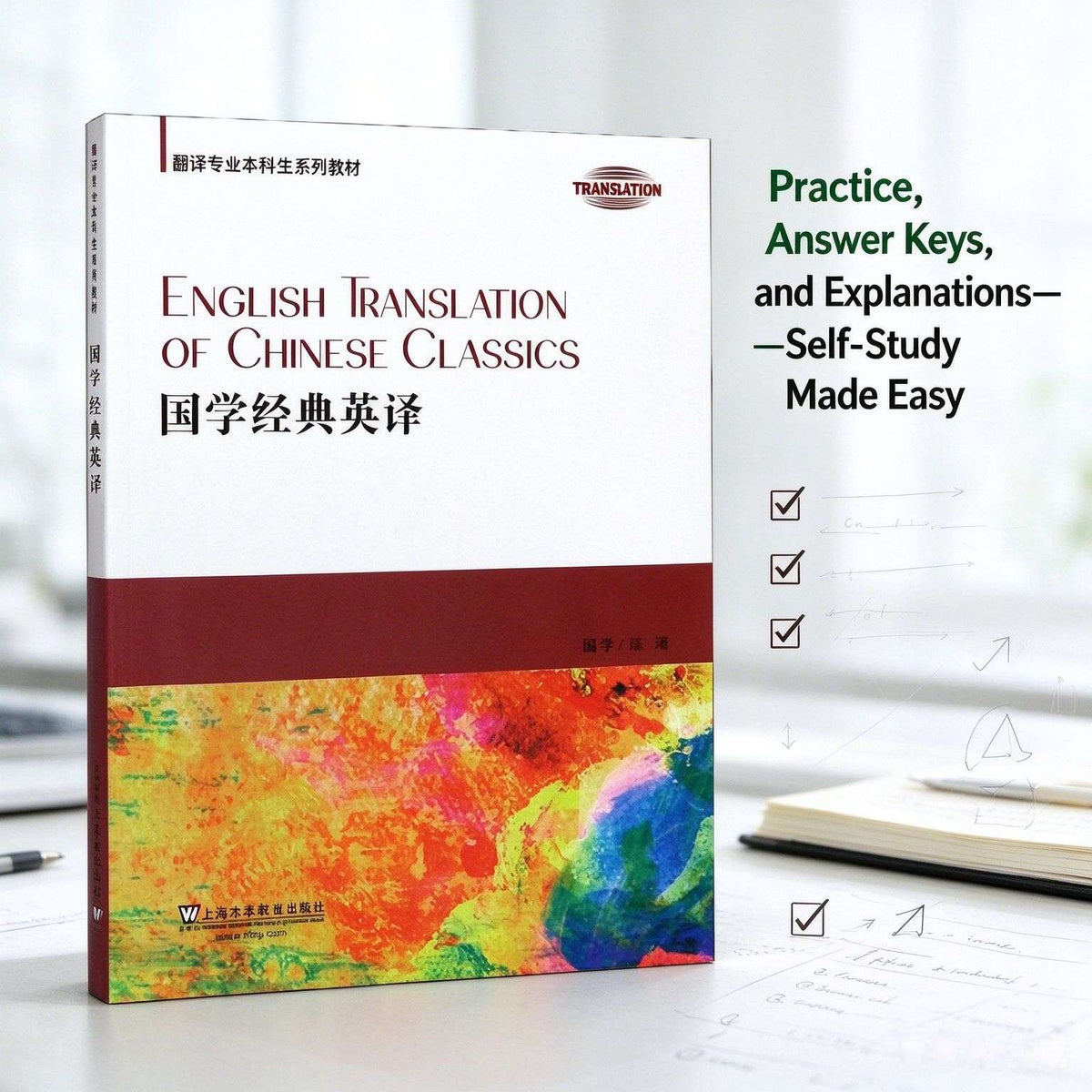
Exercises with answer keys. Each chapter includes graded practice questions, with reference answers and explanations at the back — fully self-study friendly.-16
Who is this book for?
-
Translation students: Developed as part of a Shanghai International Studies University textbook fund project, this is an official textbook in the “Translation Major Undergraduate Series.”
-
English or TCSOL majors: If you want to strengthen your classical Chinese comprehension and English translation ability, this book provides a structured path.
-
English-speaking readers interested in Chinese philosophy: By comparing multiple translations, you’ll gain a deeper understanding of the cultural nuances behind key concepts.
-
Self-study learners: The book includes answer keys, plus a Wade-Giles to Pinyin conversion table, so nothing blocks your progress


-
101 Stories for Foreigners to Understand Chinese People (English Edition): Real-Life Lessons on Culture, Etiquette & Getting It Right
Regular price £21.80Regular price£31.00Sale price £21.80DEAL -

24 Solar Terms (English-Chinese Edition): 24 Art Postcards Where Chinese Characters Come to Life
Regular price £19.70Regular price£28.00Sale price £19.70DEAL -
24 Solar Terms Fairy Tale (English-Chinese Edition): A Little Prince‘s Journey Through the Four Seasons
Regular price £18.30Regular price£26.00Sale price £18.30DEAL -
300 Song Lyrics (Chinese-English Edition): Xu Yuanchong’s Translation of Classic Ci Poetry
Regular price £21.80Regular price£30.90Sale price £21.80DEAL -
300 Tang Poems (Chinese-English Edition): Xu Yuanchong’s Rhymed Translation of the Golden Age
Regular price £21.00Regular price£30.00Sale price £21.00DEAL -
300 Yuan Songs (Chinese-English Edition): Xu Yuanchong‘s Translation of Classic Sanqu Poetry
Regular price £21.40Regular price£30.50Sale price £21.40DEAL -
80000 Words English-Chinese / English-English / Chinese-English Dictionary (Two-Color Edition): A Three-in-One Reference for Learners
Regular price £23.40Regular price£33.50Sale price £23.40DEAL -
A Bing Xin Reader (English Edition): Letters to Young Readers & The Little Orange Lamp
Regular price £21.90Regular price£35.00Sale price £21.90DEAL -

A Biography of Xuanzang (English-Chinese Edition): The Monk Who Walked to India, in Ten Scrolls
Regular price £23.50Regular price£34.00Sale price £23.50DEAL -
A Brief Introduction to the Belt and Road Initiative (English Edition): 111 Questions Answered in Plain English
Regular price £25.00Regular price£0.00Sale price £25.00


