


Exegesis of the Three Word Primer Translations (Chinese Edition): A Comparative Study of English Renderings of the Three Character Classic
Exegesis of the Three Word Primer Translations (Chinese Edition): A Comparative Study of English Renderings of the Three Character Classic
- 99% Issue-Free
- Secure Checkout
- $10K ID Protect
Security & Service
- Payment
Security - Privacy
Protection - Efficient
Shipping - Customer
Support
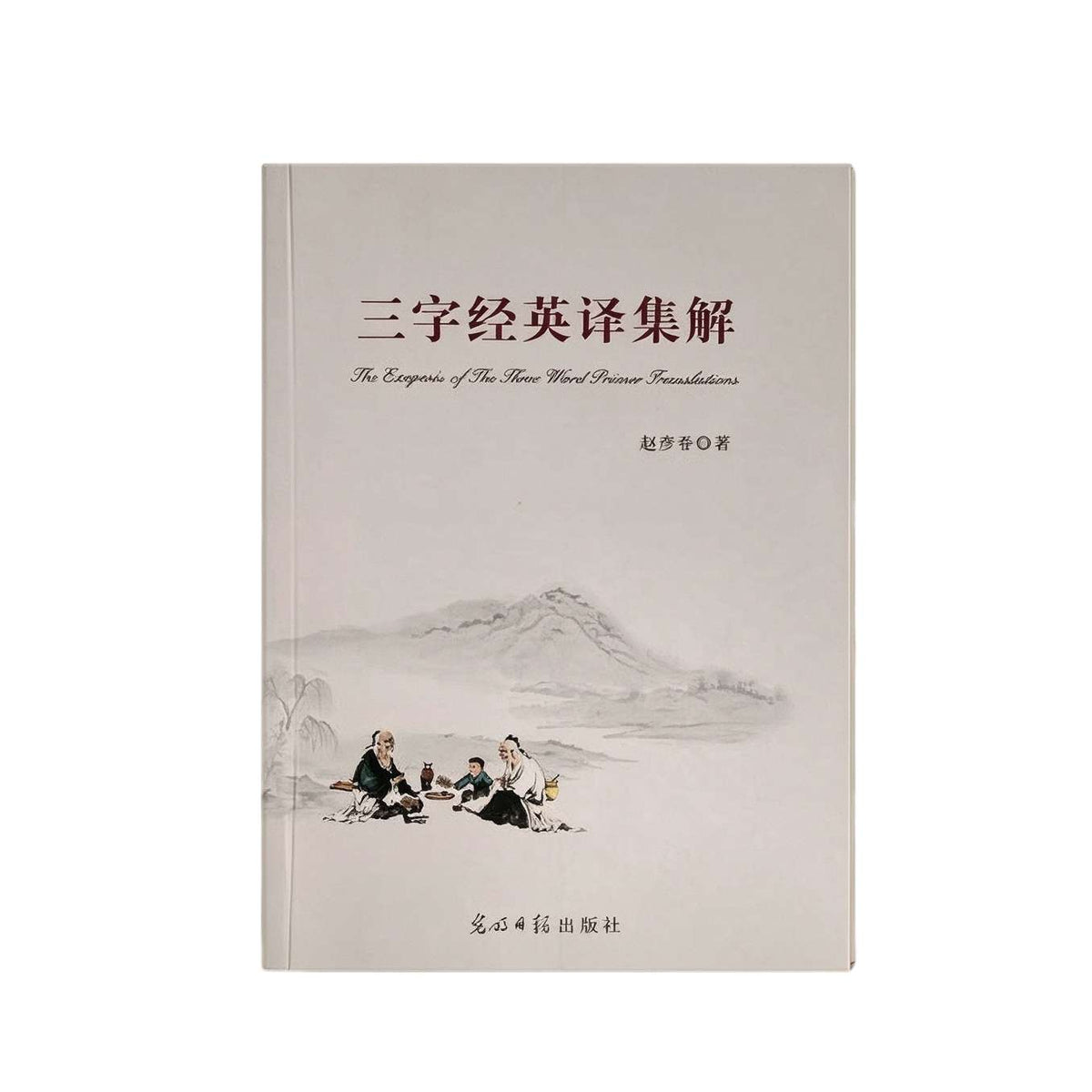
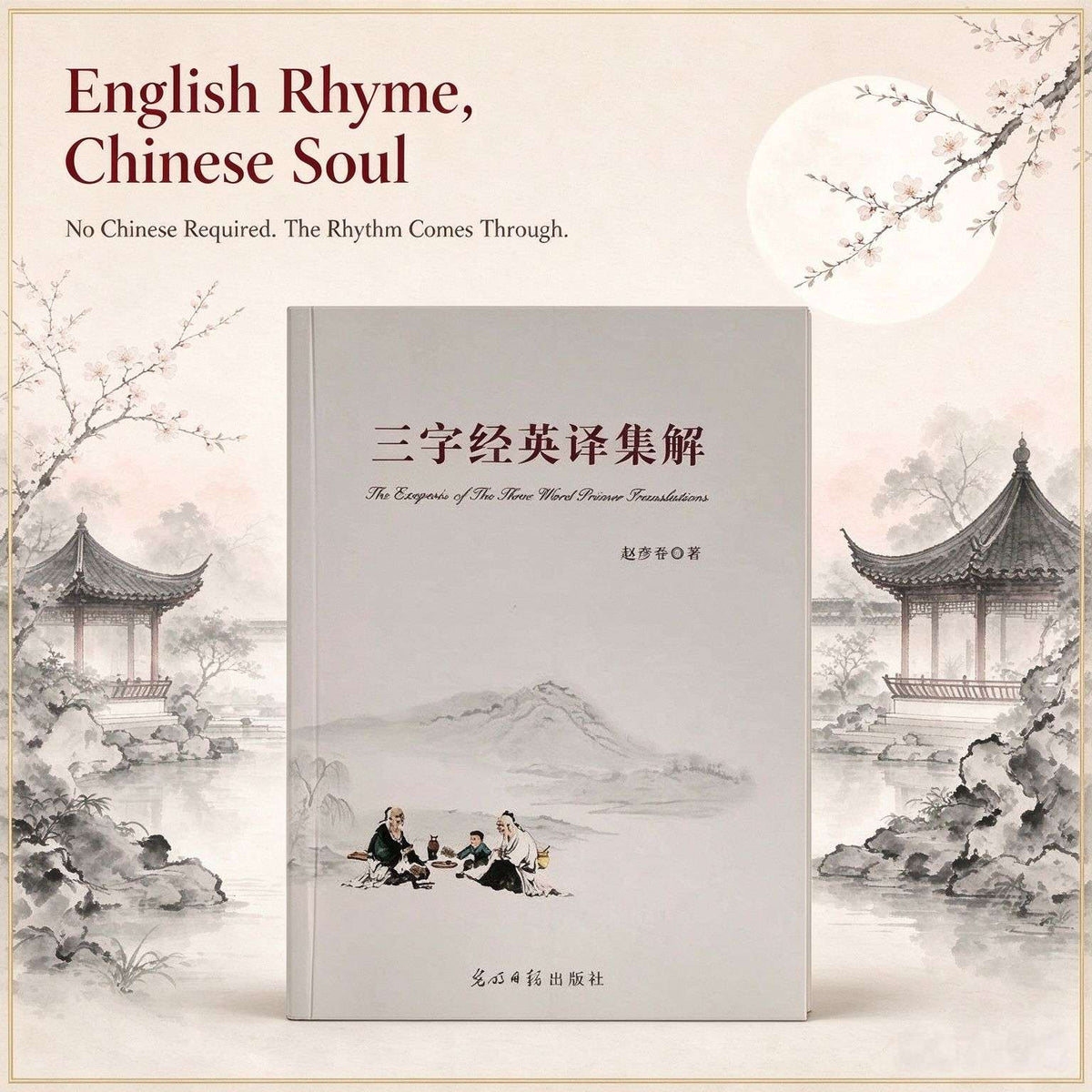
Detail

What is the Three Character Classic?
It is one of China‘s most widely known primers — the first book a child in imperial China would memorize. For nearly a thousand years, generations began their education with its opening line: “At birth, man is naturally good.” In under two thousand characters, it packs history, ethics, geography, and myth into a rhythmic, chantable form-4.
What makes this edition different?
Many English translations of the Three Character Classic exist. Most convey the meaning, but few try to keep the music. Professor Zhao Yanchun‘s version attempts something harder: three English words for every three Chinese characters, matching rhyme and syllable count wherever the language allows-4. The result is a translation that lets English readers hear a faint echo of the Chinese original’s cadence — the steady three-beat pulse that made it so memorable to generations of learners.
Who is it for?
-
Readers curious about Chinese culture who don‘t read Chinese;
-
Chinese language learners who want rhythm as a memory aid;
-
Anyone interested in translation as craft — especially the puzzle of preserving sound and sense together;
-
Parents looking to introduce a classic text without a heavy language barrier.


-
101 Stories for Foreigners to Understand Chinese People (English Edition): Real-Life Lessons on Culture, Etiquette & Getting It Right
Regular price £21.80Regular price£31.00Sale price £21.80DEAL -

24 Solar Terms (English-Chinese Edition): 24 Art Postcards Where Chinese Characters Come to Life
Regular price £19.70Regular price£28.00Sale price £19.70DEAL -
24 Solar Terms Fairy Tale (English-Chinese Edition): A Little Prince‘s Journey Through the Four Seasons
Regular price £18.30Regular price£26.00Sale price £18.30DEAL -
300 Song Lyrics (Chinese-English Edition): Xu Yuanchong’s Translation of Classic Ci Poetry
Regular price £21.80Regular price£30.90Sale price £21.80DEAL -
300 Tang Poems (Chinese-English Edition): Xu Yuanchong’s Rhymed Translation of the Golden Age
Regular price £21.00Regular price£30.00Sale price £21.00DEAL -
300 Yuan Songs (Chinese-English Edition): Xu Yuanchong‘s Translation of Classic Sanqu Poetry
Regular price £21.40Regular price£30.50Sale price £21.40DEAL -
80000 Words English-Chinese / English-English / Chinese-English Dictionary (Two-Color Edition): A Three-in-One Reference for Learners
Regular price £23.40Regular price£33.50Sale price £23.40DEAL -
A Bing Xin Reader (English Edition): Letters to Young Readers & The Little Orange Lamp
Regular price £21.90Regular price£35.00Sale price £21.90DEAL -

A Biography of Xuanzang (English-Chinese Edition): The Monk Who Walked to India, in Ten Scrolls
Regular price £23.50Regular price£34.00Sale price £23.50DEAL -
A Brief Introduction to the Belt and Road Initiative (English Edition): 111 Questions Answered in Plain English
Regular price £25.00Regular price£0.00Sale price £25.00


