


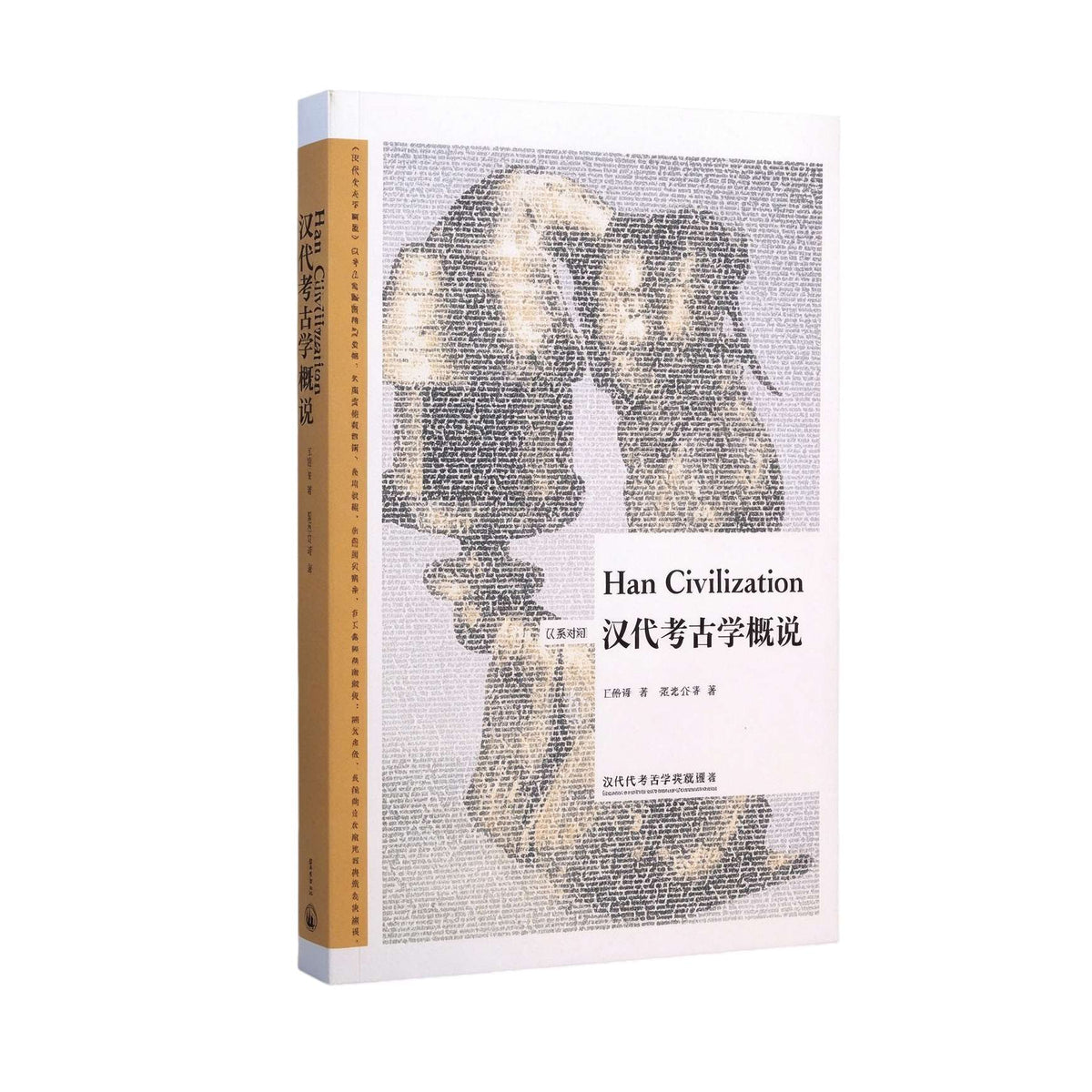
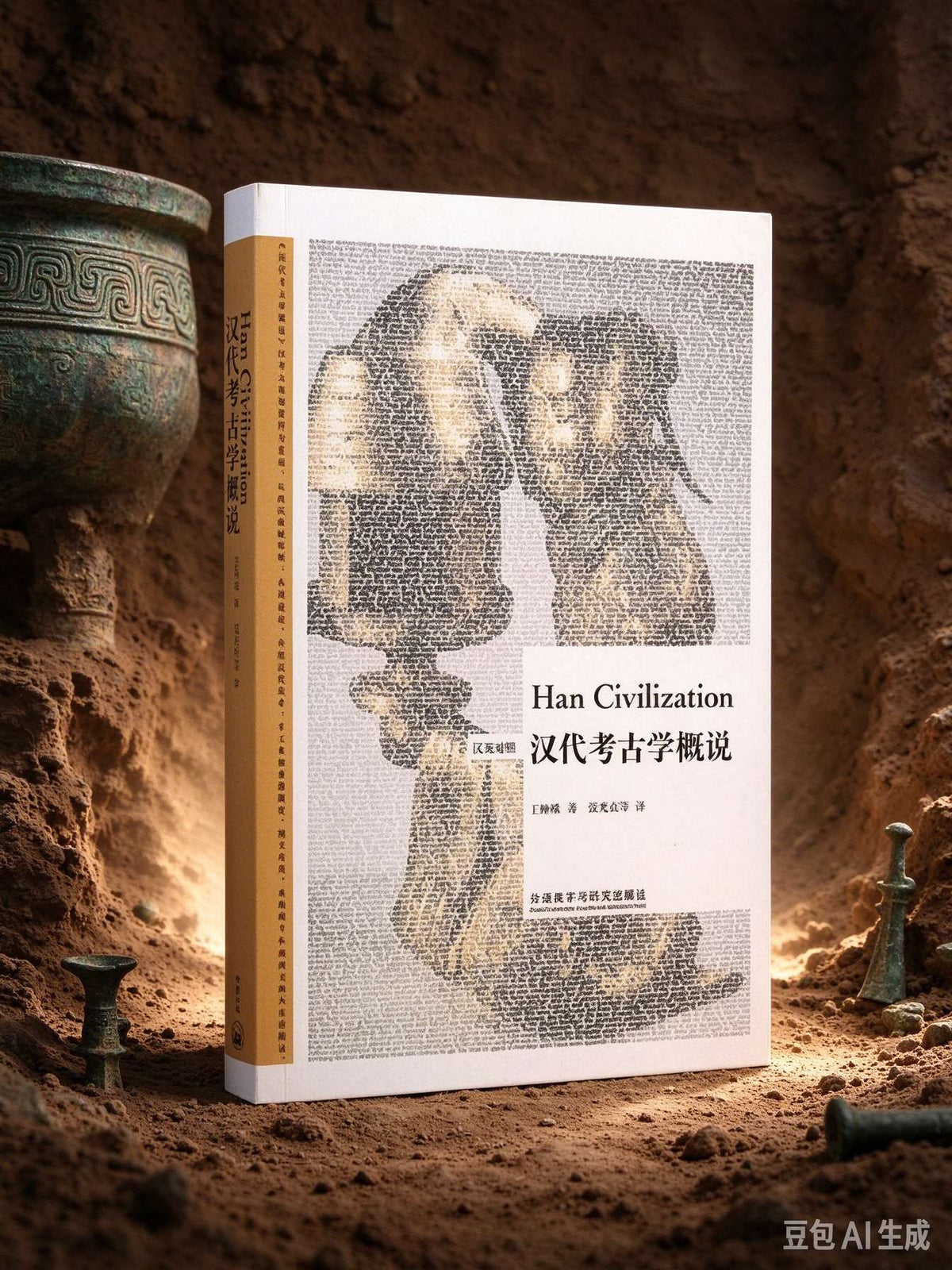
Han Civilization (English-Chinese Edition): Wang Zhongshu‘s Archaeological Survey of the Han Dynasty
Han Civilization (English-Chinese Edition): Wang Zhongshu‘s Archaeological Survey of the Han Dynasty
- 99% Issue-Free
- Secure Checkout
- $10K ID Protect
Security & Service
- Payment
Security - Privacy
Protection - Efficient
Shipping - Customer
Support
Detail

What Is This Book About?
In 202 BC, Liu Bang founded the Han Dynasty. Over the next four centuries, the Chinese built some of the largest cities in the ancient world, developed sophisticated iron farming tools, produced exquisite lacquerware and bronzes, and left behind tombs of astonishing scale. Yet the written histories say surprisingly little about the everyday details of how these people actually lived.
Han Civilization fills that gap.
The author, Wang Zhongshu, served as Director of the Institute of Archaeology at the Chinese Academy of Social Sciences and spent decades leading excavations and research on Han Dynasty sites. He received the Fukuoka Asian Culture Prize for his contributions to archaeology-17. In this book, he distills that lifetime of fieldwork and scholarship into nine focused chapters — starting with the layout and design of the two Han capitals, Chang'an and Luoyang, then moving through agriculture, lacquerware, bronze, iron, pottery, and finally burial customs-14.
Why This Edition Stands Out
Authoritative, yet readable. Wang Zhongshu writes to explain, not to impress. He lets the excavated objects tell the story. Chinese readers on Douban rate this book 8.9 out of 10, calling it "concise, systematic, and clear"-.
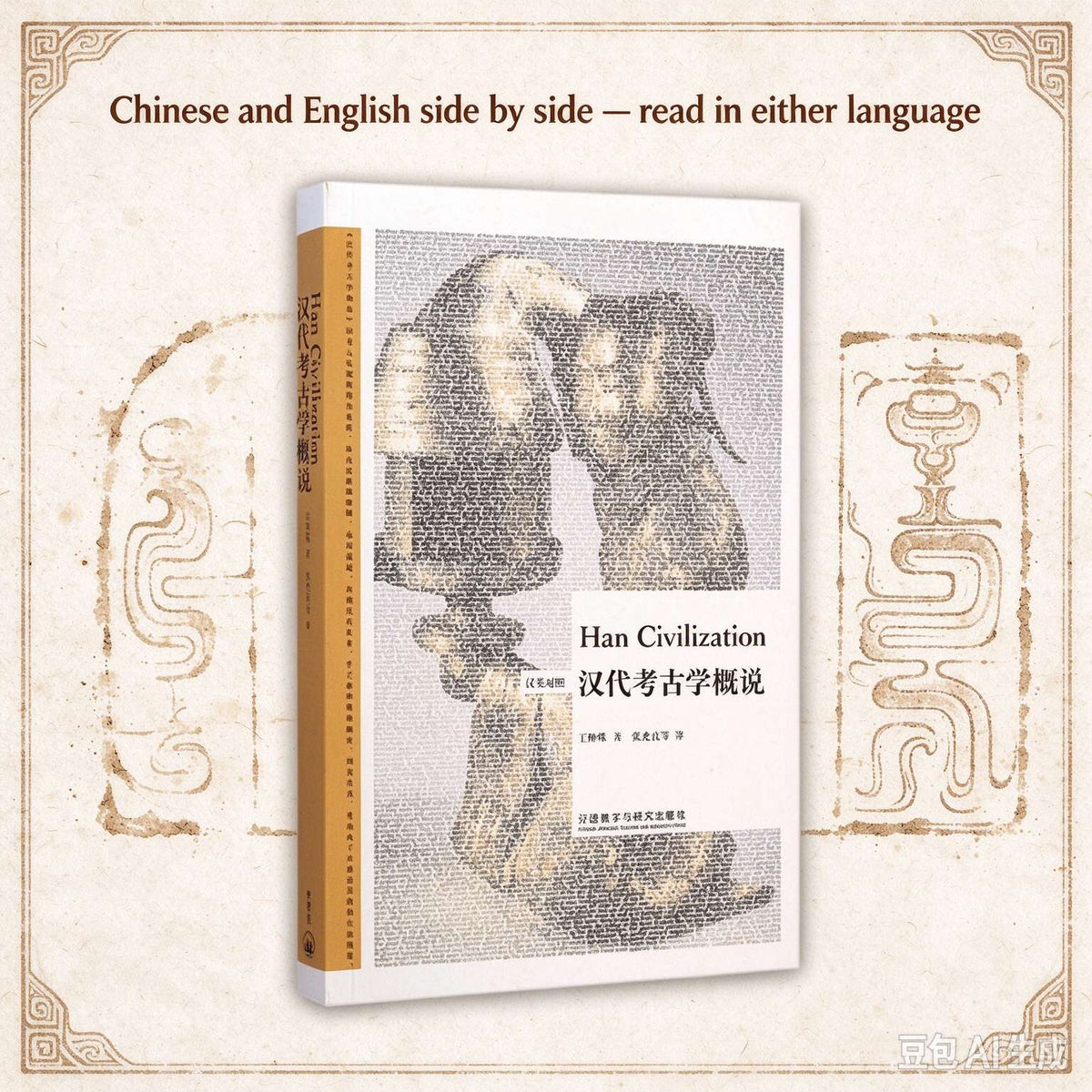
Bilingual, fully usable in both languages. The English translation was organized by K.C. Chang (Zhang Guangzhi), professor of anthropology at Harvard University and one of the most influential Chinese archaeologists in the international field. The English is natural and precise — not a stiff word-for-word rendering-. Chinese and English appear side by side, so English speakers learning Chinese can use the Chinese text to check their understanding, and Chinese speakers learning English can read K.C. Chang's translation as a model of academic English.
Illustrated throughout. The book includes numerous line drawings and photographs of artifacts and site plans — a lacquer bowl, a tomb layout, the streets of Chang'an — so you can see what the text describes.
Who Is This For?
-
General readers curious about ancient China — no archaeology background needed
-
University students in history, archaeology, or art history — a solid entry point for Han studies
-
Chinese language learners — the bilingual format makes the Chinese text approachable
-
English language learners — K.C. Chang's English is worth studying closely
-
Museum lovers and artifact enthusiasts — the context behind what you see in the display case


-
101 Stories for Foreigners to Understand Chinese People (English Edition): Real-Life Lessons on Culture, Etiquette & Getting It Right
Regular price £21.80Regular price£31.00Sale price £21.80DEAL -

24 Solar Terms (English-Chinese Edition): 24 Art Postcards Where Chinese Characters Come to Life
Regular price £19.70Regular price£28.00Sale price £19.70DEAL -
24 Solar Terms Fairy Tale (English-Chinese Edition): A Little Prince‘s Journey Through the Four Seasons
Regular price £18.30Regular price£26.00Sale price £18.30DEAL -
300 Song Lyrics (Chinese-English Edition): Xu Yuanchong’s Translation of Classic Ci Poetry
Regular price £21.80Regular price£30.90Sale price £21.80DEAL -
300 Tang Poems (Chinese-English Edition): Xu Yuanchong’s Rhymed Translation of the Golden Age
Regular price £21.00Regular price£30.00Sale price £21.00DEAL -
300 Yuan Songs (Chinese-English Edition): Xu Yuanchong‘s Translation of Classic Sanqu Poetry
Regular price £21.40Regular price£30.50Sale price £21.40DEAL -
80000 Words English-Chinese / English-English / Chinese-English Dictionary (Two-Color Edition): A Three-in-One Reference for Learners
Regular price £23.40Regular price£33.50Sale price £23.40DEAL -
A Bing Xin Reader (English Edition): Letters to Young Readers & The Little Orange Lamp
Regular price £21.90Regular price£35.00Sale price £21.90DEAL -

A Biography of Xuanzang (English-Chinese Edition): The Monk Who Walked to India, in Ten Scrolls
Regular price £23.50Regular price£34.00Sale price £23.50DEAL -
A Brief Introduction to the Belt and Road Initiative (English Edition): 111 Questions Answered in Plain English
Regular price £25.00Regular price£0.00Sale price £25.00


