


Names of Phytochemical Composition (English-Chinese Edition): A 56,700-Entry Reference for Plant Chemistry
Names of Phytochemical Composition (English-Chinese Edition): A 56,700-Entry Reference for Plant Chemistry
- 99% Issue-Free
- Secure Checkout
- $10K ID Protect
Security & Service
- Payment
Security - Privacy
Protection - Efficient
Shipping - Customer
Support
Detail

What problem does this book solve?
In phytochemistry, traditional Chinese medicine research, and natural product development, the terminology gap between Chinese and English literature is real. The same compound can have different names across sources — and some English phytochemical names have never had a standardized Chinese equivalent at all. Looking up references, writing papers, or preparing regulatory filings often means wasting hours cross-checking a single compound's name.
This book fills that gap.
Why should you trust it?
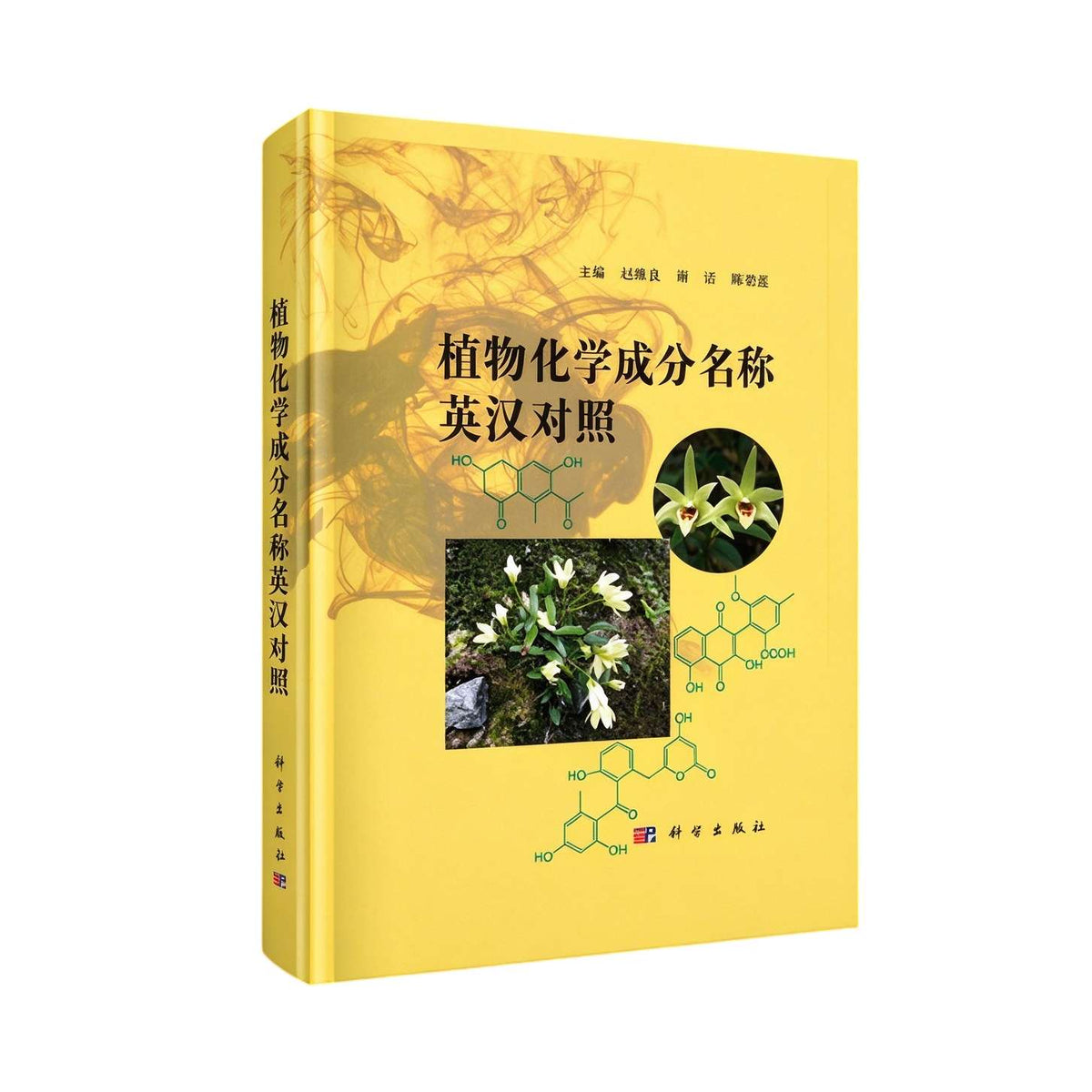
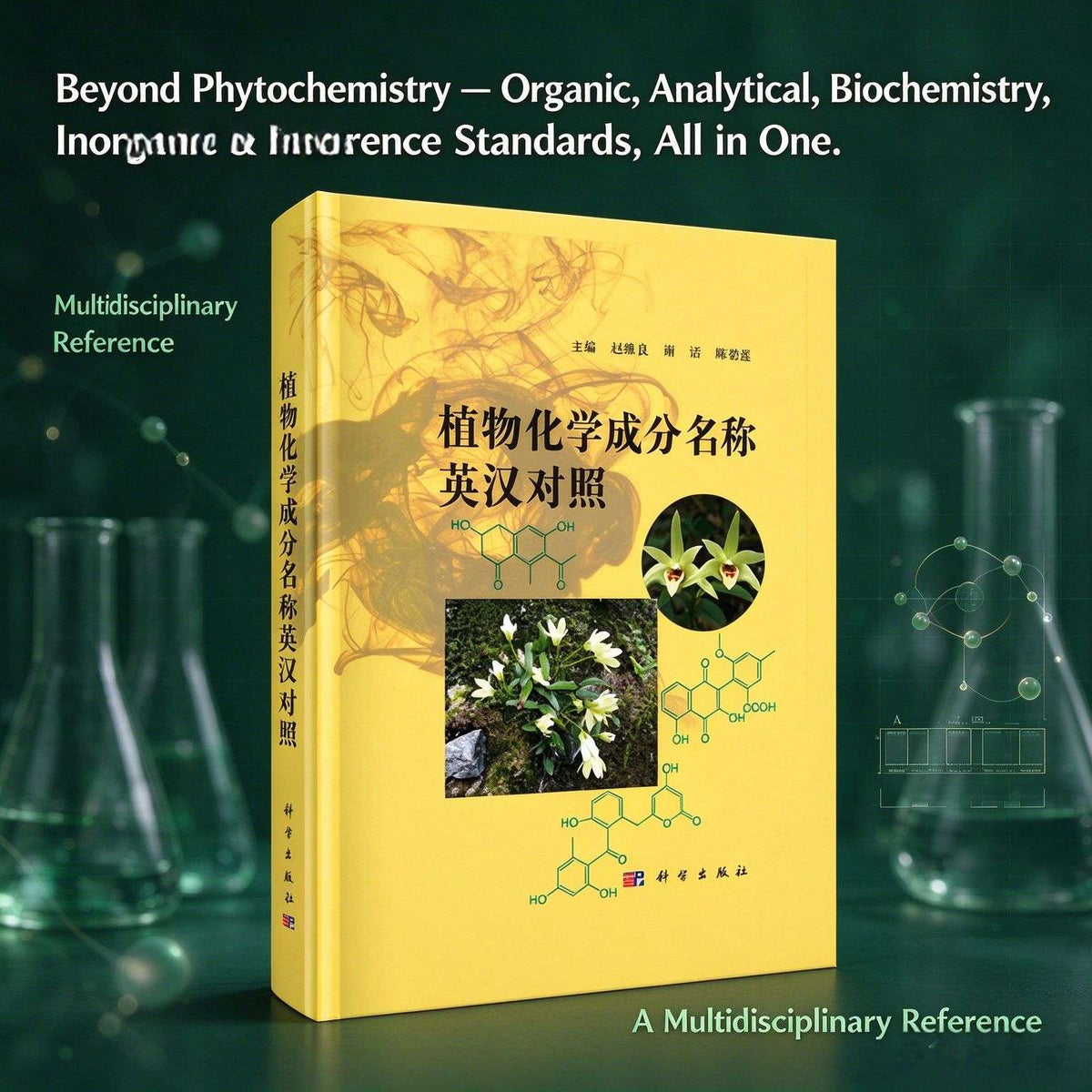
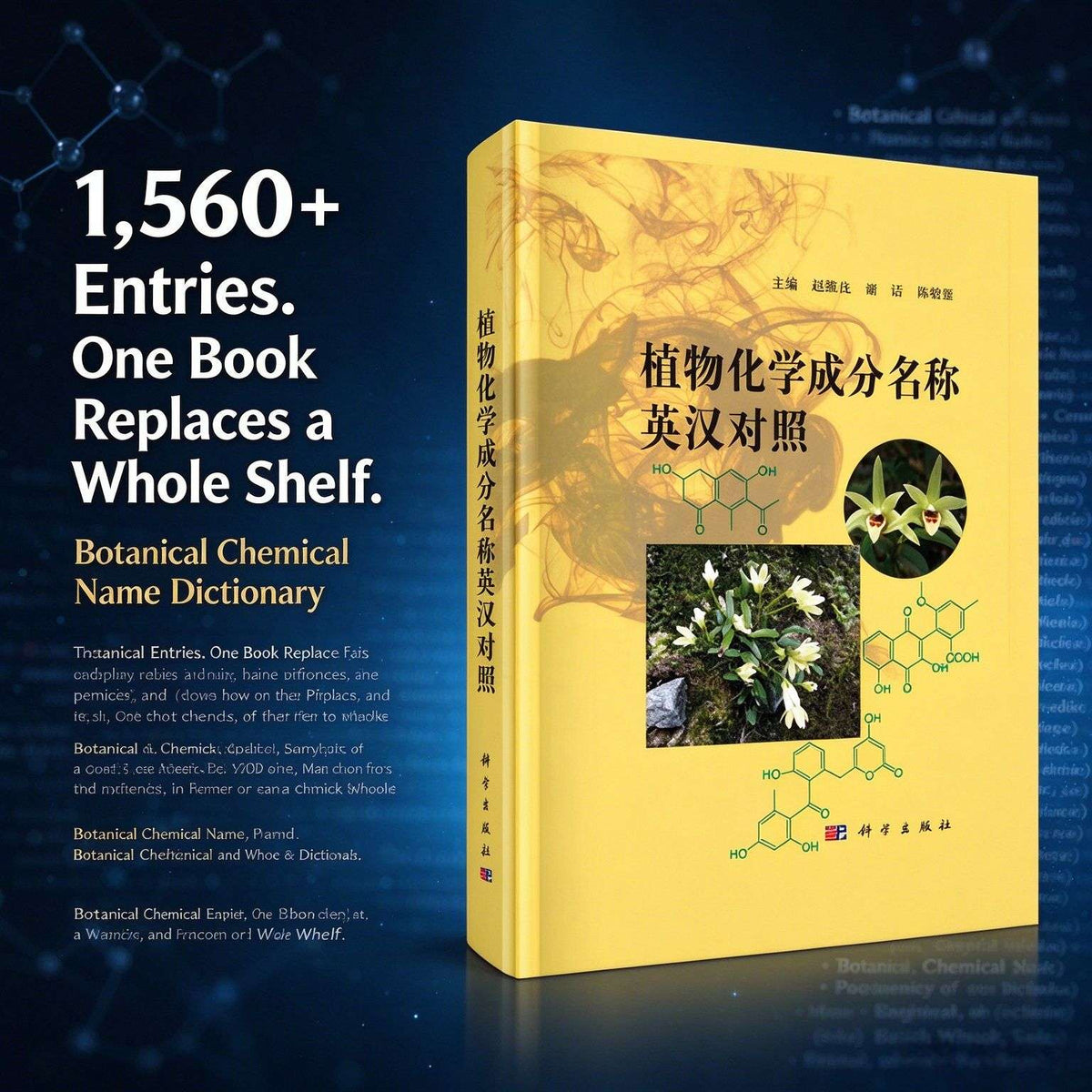
Published by Science Press, one of China's most authoritative scientific publishers, and edited by three experts: Zhao Weiliang, Xie Tian, and Chen Bilian-11. The book contains approximately 56,700 bilingual entries, primarily covering phytochemical constituents, while also including names from organic chemistry, analytical chemistry, biochemistry (including animal chemical constituents), inorganic chemistry, and chemical reference standards-11.
What is the most valuable part?
About 3,000 English terms in this book had never been translated into Chinese before. The editors systematically analyzed each compound's English name, traced the original literature, identified the Latin botanical name of the plant from which it was first extracted, and derived a standardized Chinese name based on the Latin name's meaning and the nomenclature rules of that chemical class-11. This is not simple "translation" — it is academically sourced naming.
The editors also systematically resolved cases where the same Chinese name maps to different English names (or vice versa), establishing a scientifically rigorous correspondence between Chinese and English names and chemical constituents-13.
Who is this for?
-
Graduate students and researchers in TCM, natural product chemistry, and pharmacognosy
-
Industry R&D professionals working with plant extracts and natural products
-
Pharmacists and scientists preparing bilingual papers or regulatory documents
-
Libraries and laboratories in need of a standard reference work


-
101 Stories for Foreigners to Understand Chinese People (English Edition): Real-Life Lessons on Culture, Etiquette & Getting It Right
Regular price £21.80Regular price£31.00Sale price £21.80DEAL -

24 Solar Terms (English-Chinese Edition): 24 Art Postcards Where Chinese Characters Come to Life
Regular price £19.70Regular price£28.00Sale price £19.70DEAL -
24 Solar Terms Fairy Tale (English-Chinese Edition): A Little Prince‘s Journey Through the Four Seasons
Regular price £18.30Regular price£26.00Sale price £18.30DEAL -
300 Song Lyrics (Chinese-English Edition): Xu Yuanchong’s Translation of Classic Ci Poetry
Regular price £21.80Regular price£30.90Sale price £21.80DEAL -
300 Tang Poems (Chinese-English Edition): Xu Yuanchong’s Rhymed Translation of the Golden Age
Regular price £21.00Regular price£30.00Sale price £21.00DEAL -
300 Yuan Songs (Chinese-English Edition): Xu Yuanchong‘s Translation of Classic Sanqu Poetry
Regular price £21.40Regular price£30.50Sale price £21.40DEAL -
80000 Words English-Chinese / English-English / Chinese-English Dictionary (Two-Color Edition): A Three-in-One Reference for Learners
Regular price £23.40Regular price£33.50Sale price £23.40DEAL -
A Bing Xin Reader (English Edition): Letters to Young Readers & The Little Orange Lamp
Regular price £21.90Regular price£35.00Sale price £21.90DEAL -

A Biography of Xuanzang (English-Chinese Edition): The Monk Who Walked to India, in Ten Scrolls
Regular price £23.50Regular price£34.00Sale price £23.50DEAL -
A Brief Introduction to the Belt and Road Initiative (English Edition): 111 Questions Answered in Plain English
Regular price £25.00Regular price£0.00Sale price £25.00


