


Purple Jade Flute (English-Chinese Edition): Tang Xianzu‘s First Play, Translated by Wang Rongpei
Purple Jade Flute (English-Chinese Edition): Tang Xianzu‘s First Play, Translated by Wang Rongpei
- 99% Issue-Free
- Secure Checkout
- $10K ID Protect
Security & Service
- Payment
Security - Privacy
Protection - Efficient
Shipping - Customer
Support
Detail

What is this book?
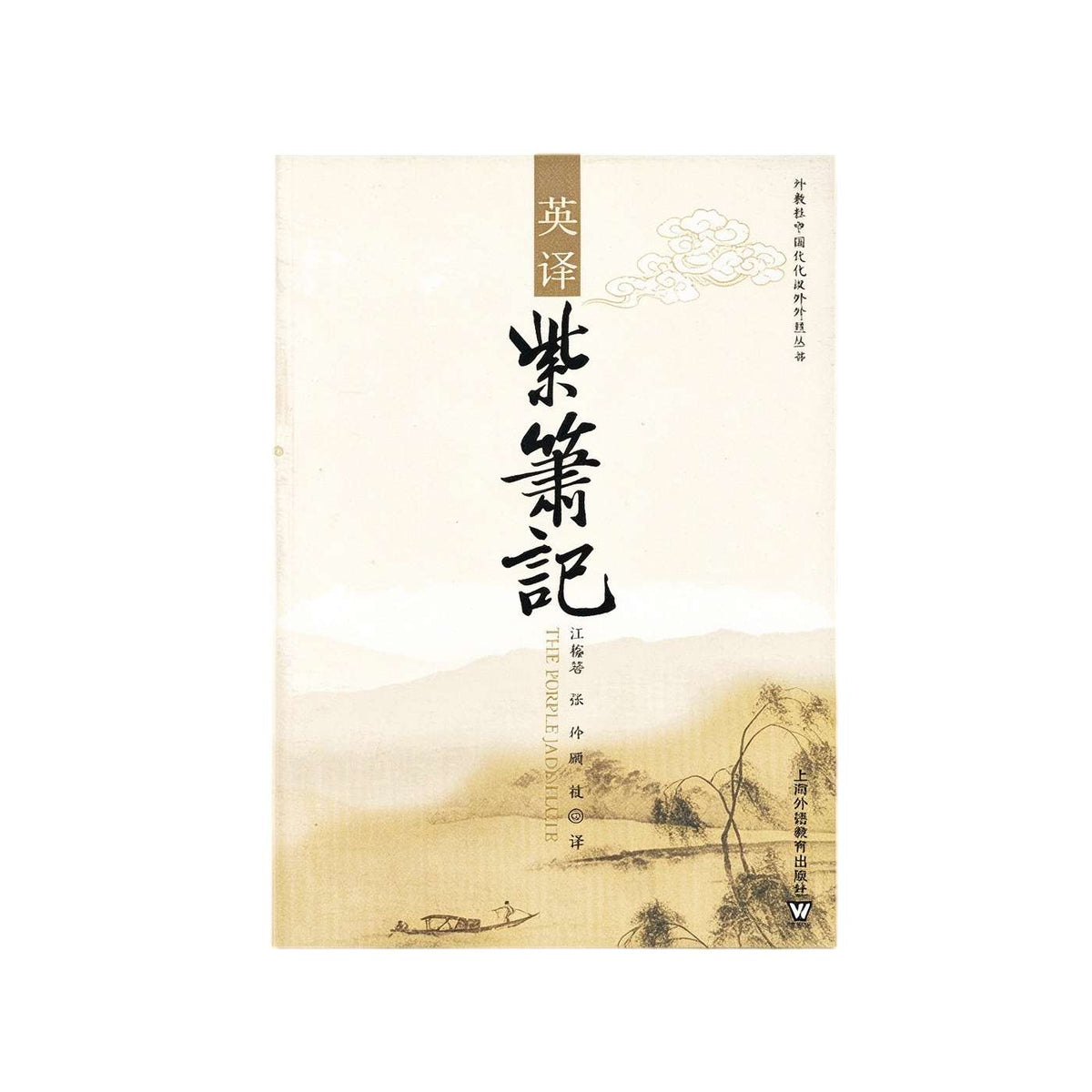
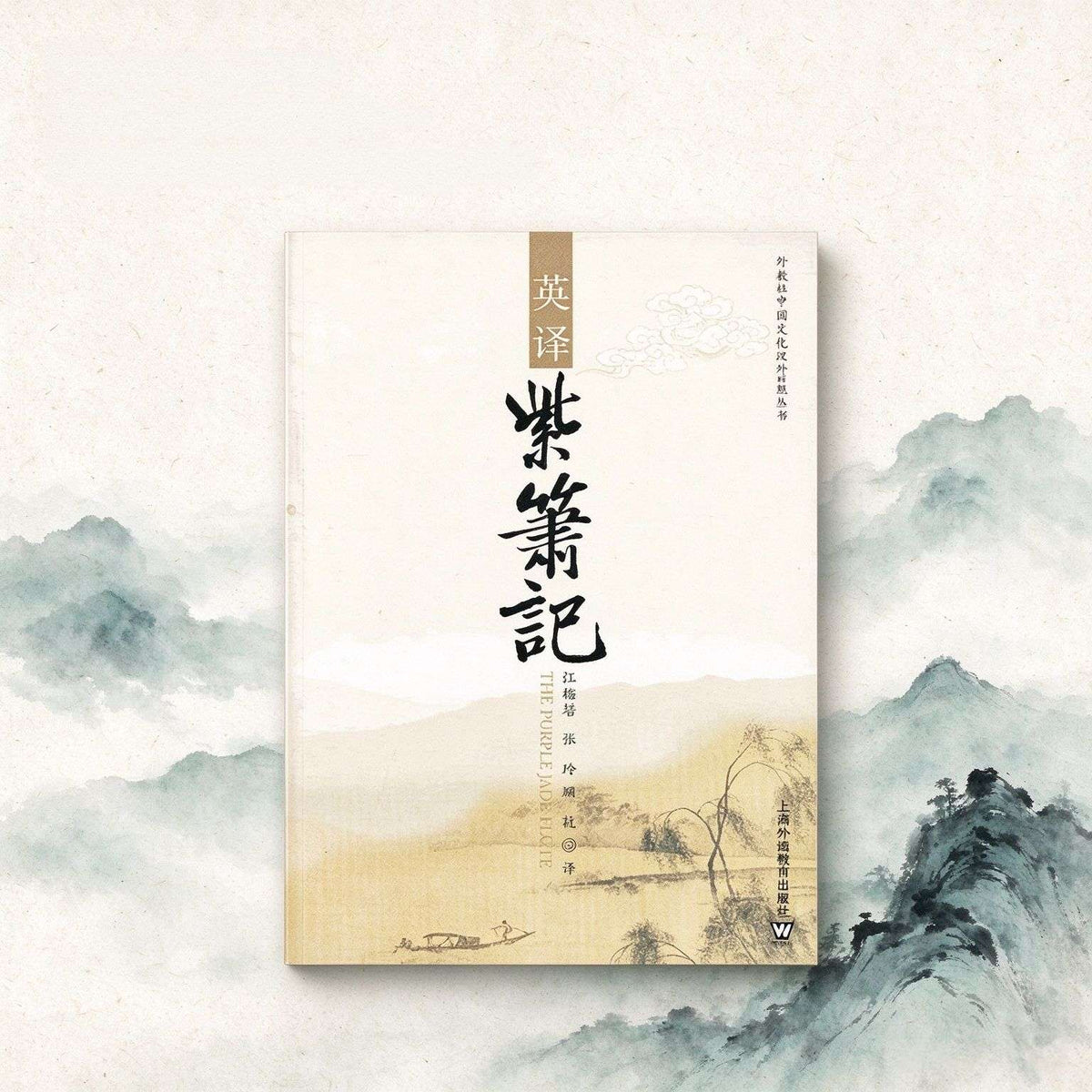
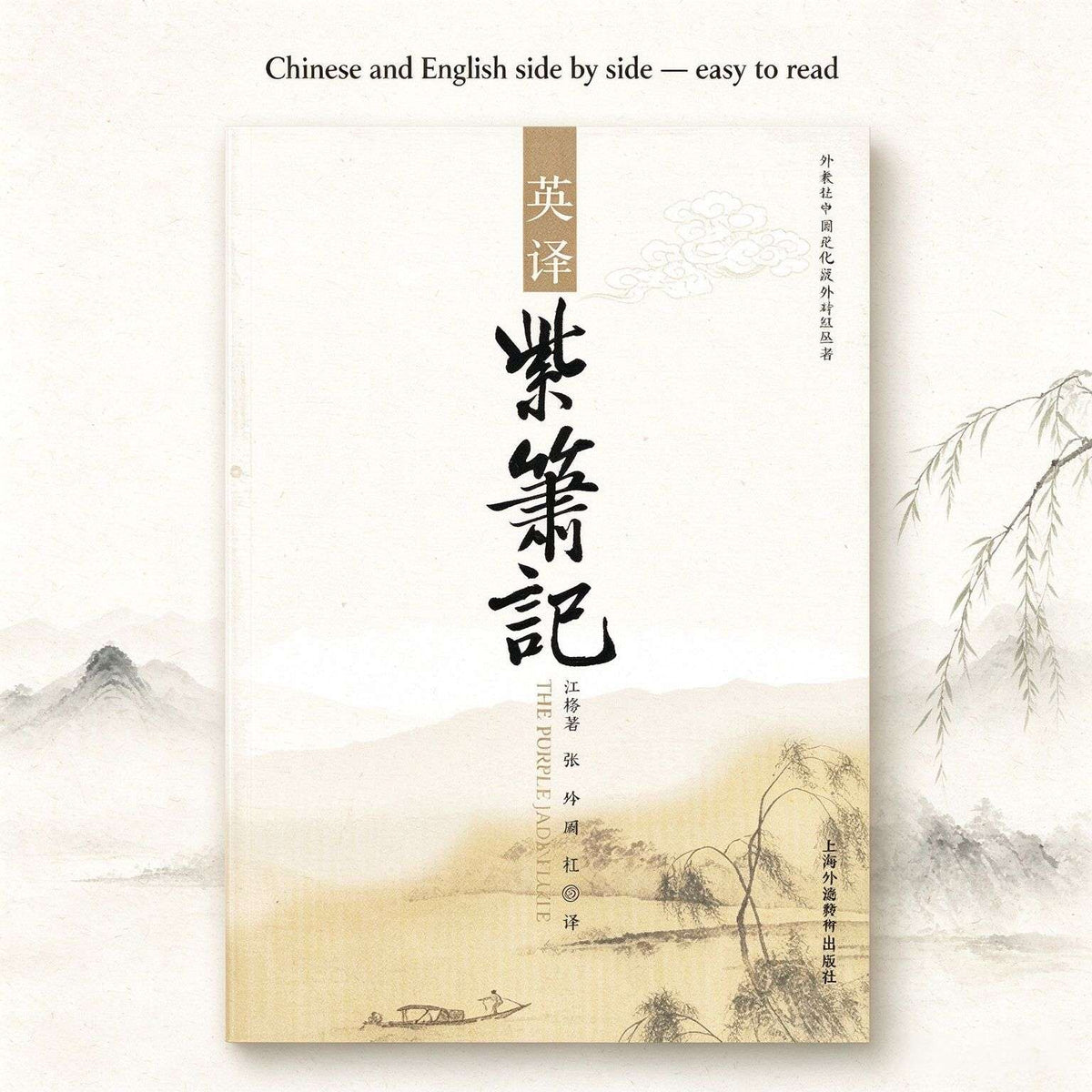
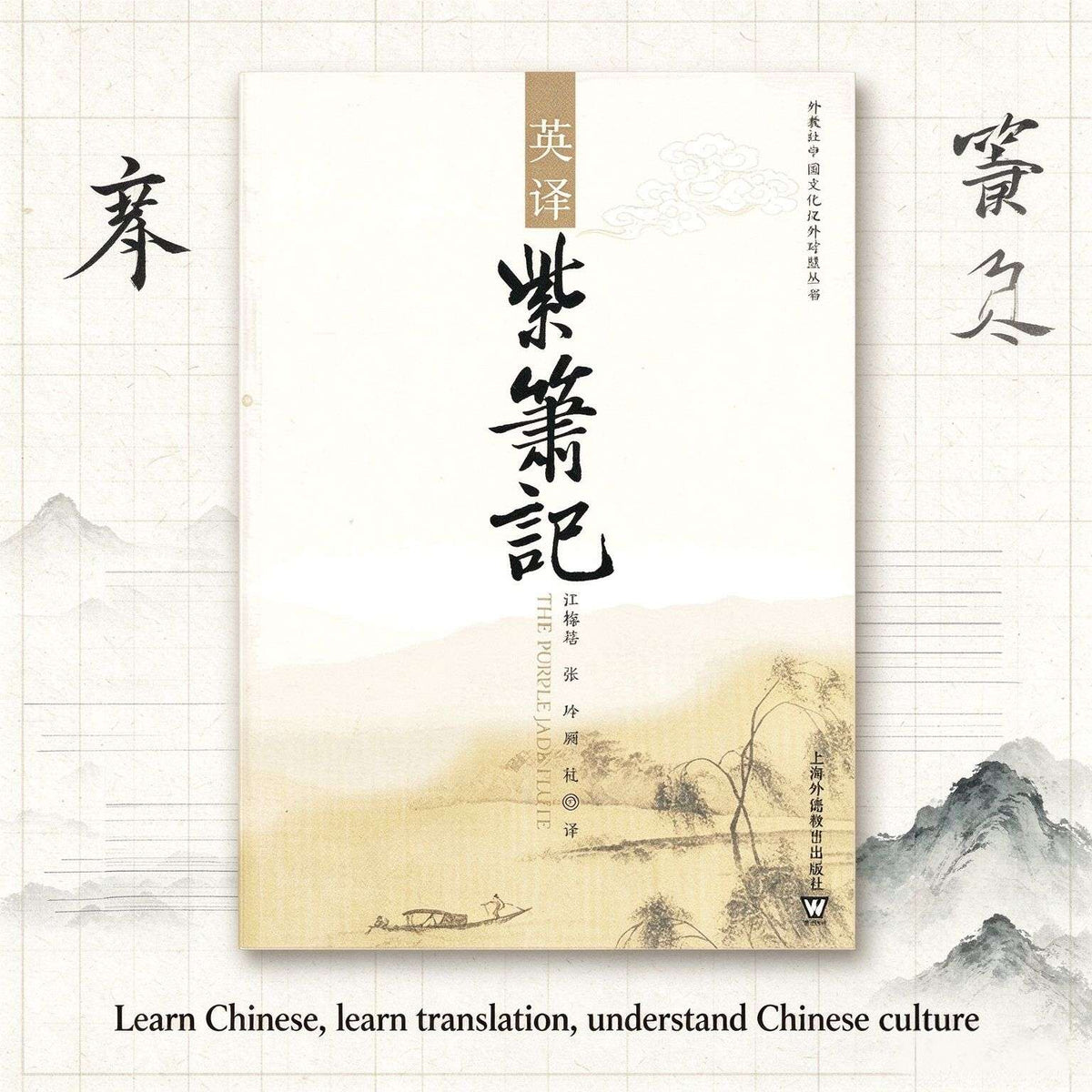
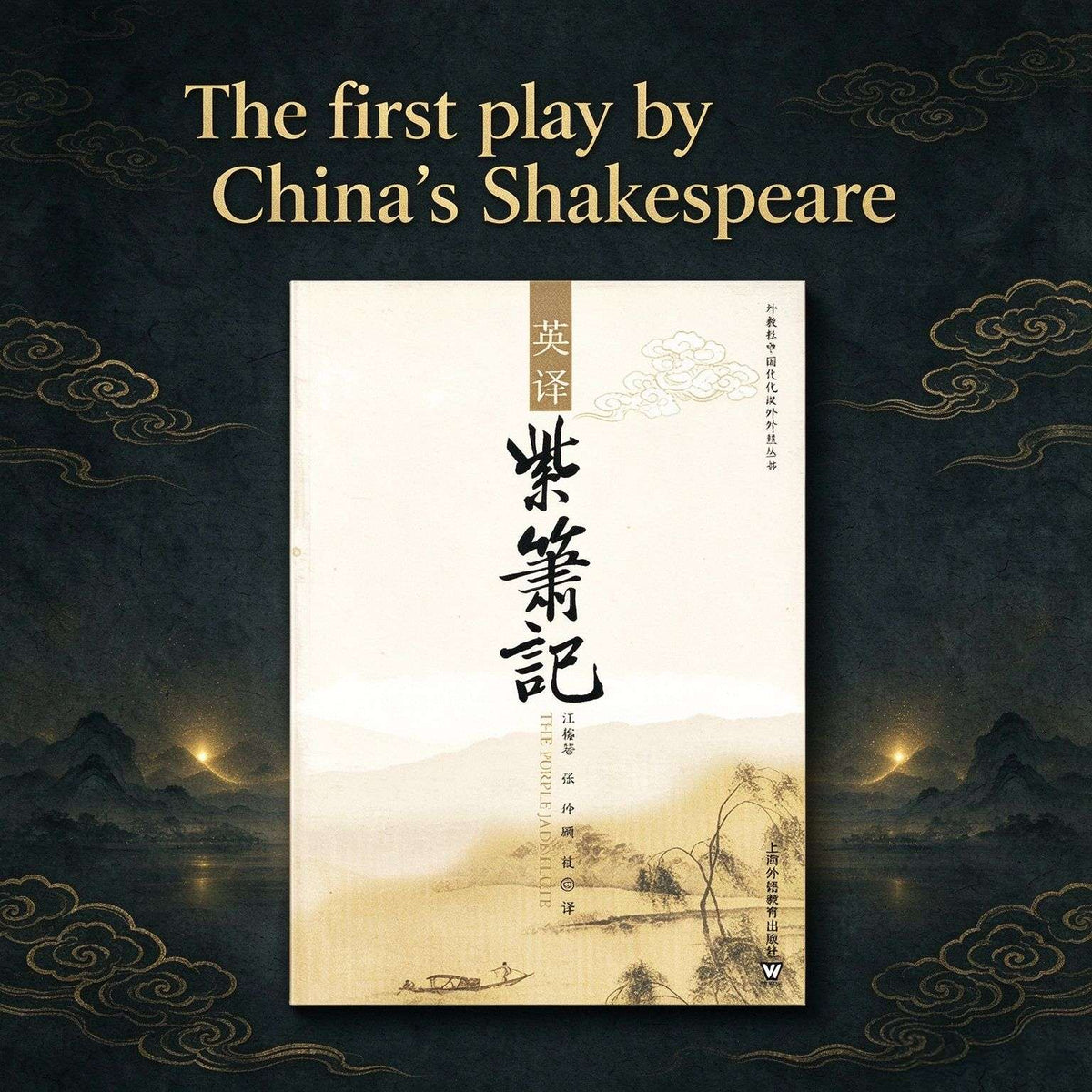
Tang Xianzu (1550–1616) is celebrated as the “Shakespeare of the East” and widely regarded as China's greatest playwright. The Purple Flute (Zixiao Ji), written between 1577 and 1579, was his first play and the precursor to his later masterwork The Purple Hairpin. Published by Shanghai Foreign Language Education Press as part of its Chinese Culture Bilingual Series, this 386-page volume presents the Chinese original alongside an English translation, allowing readers to compare both versions side by side.-11-75
What is the story about?
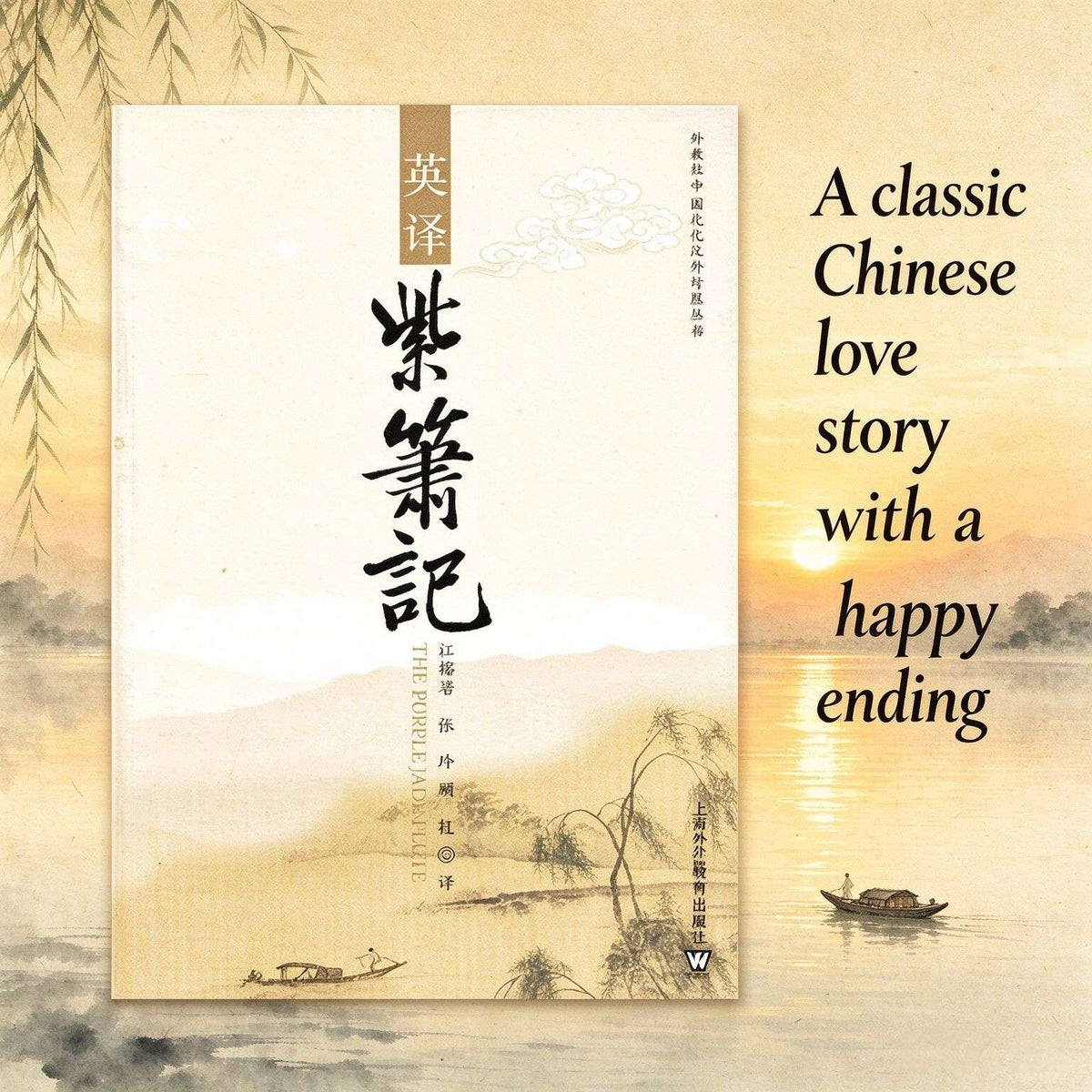
The play draws on the Tang Dynasty tale of Huo Xiaoyu and blends in a story from the Song-era collection of tales about Emperor Huizong. While the original tale ends tragically, Tang Xianzu rewrote it — Li Yi and Huo Xiaoyu survive their trials and are reunited in a happy ending. The Purple Flute was later revised and expanded into The Purple Hairpin. The book contains thirty-four scenes, from “The Opening” to “The Reunion.”-11-79
Why trust this translation?
The translation is led by Professor Wang Rongpei of Soochow University, a leading authority in Chinese classics translation. He began translating Tang Xianzu's works in the 1990s and completed the English versions of all Tang's major plays, including The Peony Pavilion. His translations are praised for their fluency and their ability to convey the emotions, imagery, and scenes of classical Chinese drama in natural English prose. The Chinese Culture Bilingual Series features translations by renowned scholars and translation masters, ensuring both accuracy and readability.-74
Who is this book for?
-
Chinese language learners overseas: The bilingual format lets you read the story while improving your Chinese, experiencing the rhythm and imagery of classical Chinese dialogue.
-
Readers curious about Chinese culture: No Chinese required — the English translation stands on its own as a readable introduction to classical Chinese theatre.
-
Translation students and researchers: Wang Rongpei's translation serves as a model for translating classical Chinese texts, making this an excellent study resource for handling imagery, allusion, and emotional expression.
-
Tang Xianzu scholars and theatre enthusiasts: This is the starting point of Tang's dramatic career — an essential text for understanding how his mature style evolved.


-
101 Stories for Foreigners to Understand Chinese People (English Edition): Real-Life Lessons on Culture, Etiquette & Getting It Right
Regular price £21.80Regular price£31.00Sale price £21.80DEAL -

24 Solar Terms (English-Chinese Edition): 24 Art Postcards Where Chinese Characters Come to Life
Regular price £19.70Regular price£28.00Sale price £19.70DEAL -
24 Solar Terms Fairy Tale (English-Chinese Edition): A Little Prince‘s Journey Through the Four Seasons
Regular price £18.30Regular price£26.00Sale price £18.30DEAL -
300 Song Lyrics (Chinese-English Edition): Xu Yuanchong’s Translation of Classic Ci Poetry
Regular price £21.80Regular price£30.90Sale price £21.80DEAL -
300 Tang Poems (Chinese-English Edition): Xu Yuanchong’s Rhymed Translation of the Golden Age
Regular price £21.00Regular price£30.00Sale price £21.00DEAL -
300 Yuan Songs (Chinese-English Edition): Xu Yuanchong‘s Translation of Classic Sanqu Poetry
Regular price £21.40Regular price£30.50Sale price £21.40DEAL -
80000 Words English-Chinese / English-English / Chinese-English Dictionary (Two-Color Edition): A Three-in-One Reference for Learners
Regular price £23.40Regular price£33.50Sale price £23.40DEAL -
A Bing Xin Reader (English Edition): Letters to Young Readers & The Little Orange Lamp
Regular price £21.90Regular price£35.00Sale price £21.90DEAL -

A Biography of Xuanzang (English-Chinese Edition): The Monk Who Walked to India, in Ten Scrolls
Regular price £23.50Regular price£34.00Sale price £23.50DEAL -
A Brief Introduction to the Belt and Road Initiative (English Edition): 111 Questions Answered in Plain English
Regular price £25.00Regular price£0.00Sale price £25.00


