


Rice Production Technology (English-Chinese Edition): High-Yield Cultivation, Mechanization & Pest Management
Rice Production Technology (English-Chinese Edition): High-Yield Cultivation, Mechanization & Pest Management
- 99% Issue-Free
- Secure Checkout
- $10K ID Protect
Security & Service
- Payment
Security - Privacy
Protection - Efficient
Shipping - Customer
Support
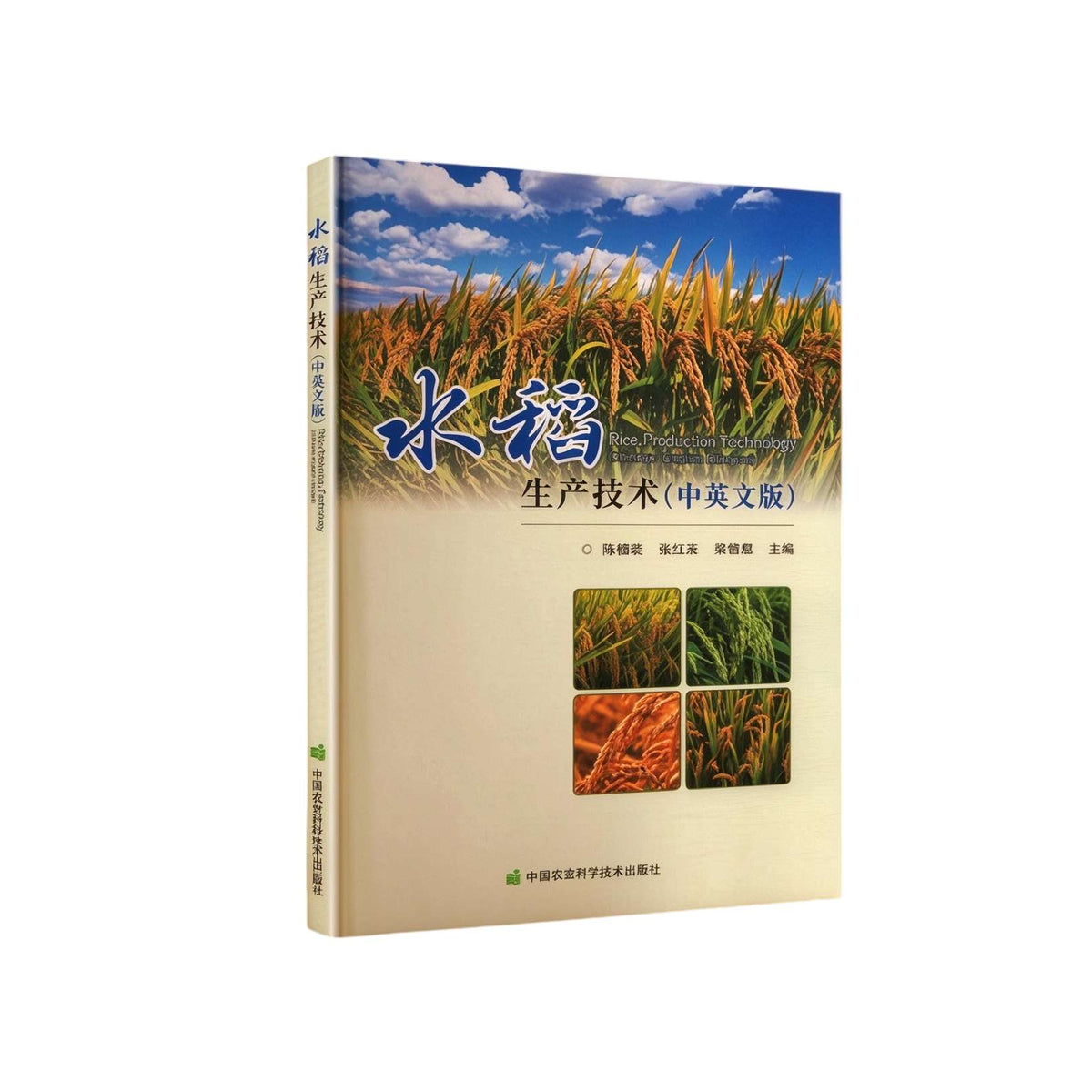
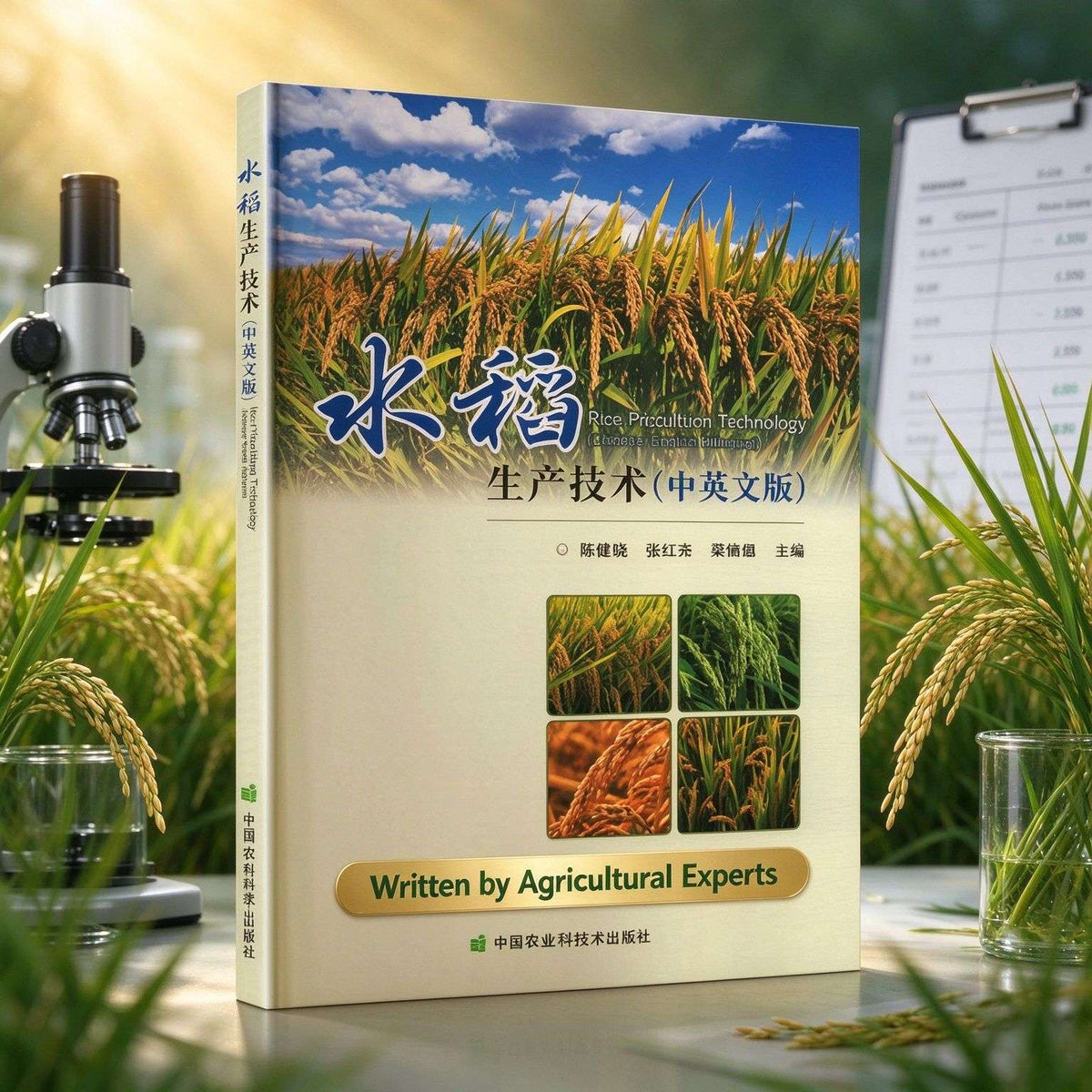
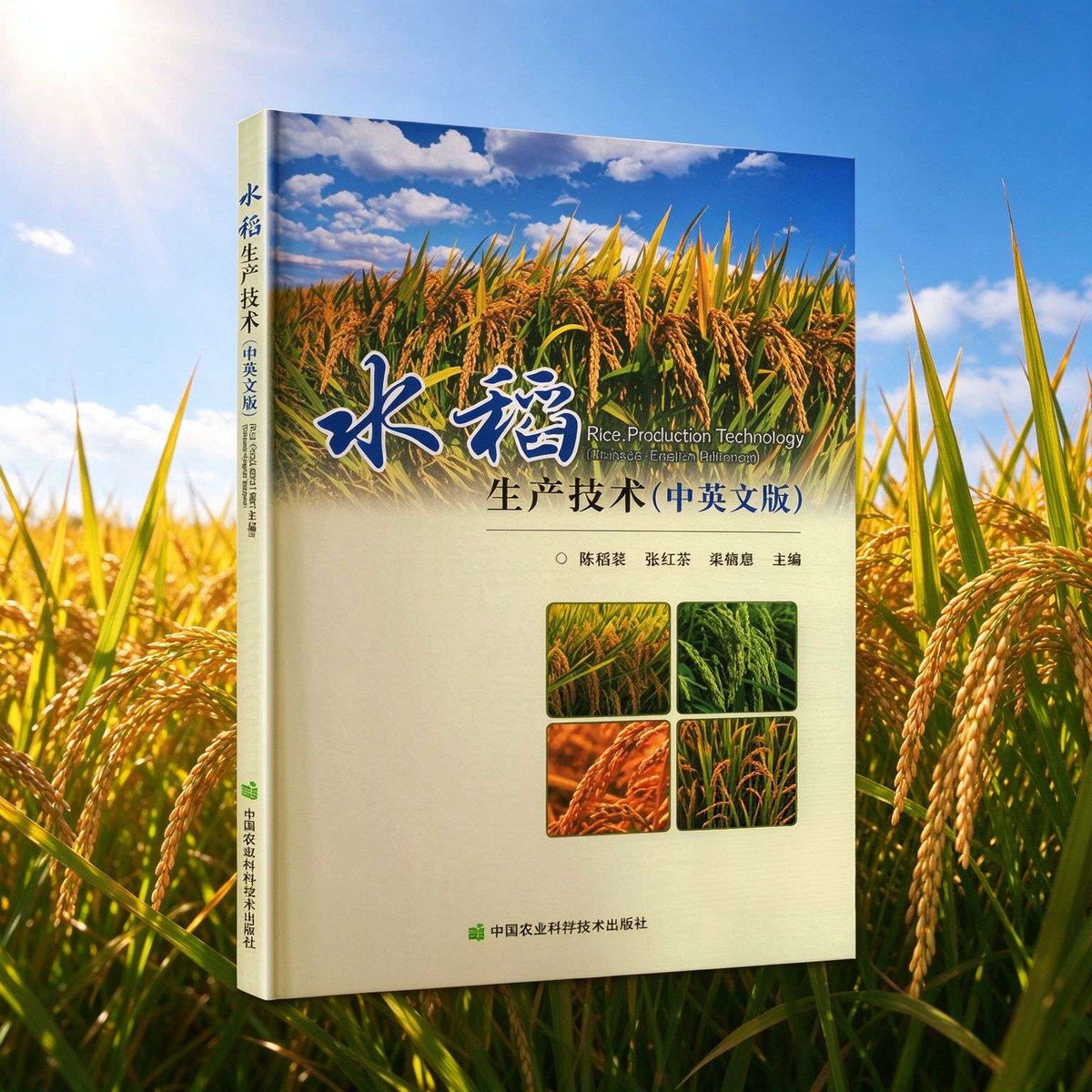
Detail

What problem does this book solve for you?
Growing rice looks straightforward — until you try to get consistently high yields. How should you treat seeds to maximize germination? When is the best time to apply fertilizer? What do you do when an unfamiliar pest or disease shows up in your paddy? How do you dry and store your harvest without losing it to mold?
This book answers these questions one by one.
Practical content, no fluff
The book follows the actual sequence of rice production. It starts with the biology of rice growth and development, so you understand the "why" behind each practice. Then it covers mechanized high-yield cultivation techniques, showing you the "how." A dedicated section focuses on identifying and managing major diseases (rice blast, sheath blight) and pests (planthoppers, stem borers), with clear diagnostic criteria.-41 The final chapters cover harvesting, drying, and storage — protecting the yield you've worked for.
Bilingual text — one book, two uses
The entire book includes full English translations alongside the Chinese text. Whether you're an agricultural extension worker in China, a Chinese agri-team operating overseas, or an international reader looking to understand China's rice production techniques, you can use this book directly. It's particularly suited for Belt and Road agricultural cooperation projects, overseas farms, and agricultural universities.-41
Who is this book for?
-
Agricultural extension workers: apply the techniques directly in field guidance
-
Rice farm managers and cooperatives: systematically improve cultivation management
-
Agriculture students and faculty: a professional reference and English-language learning resource in one
-
International agricultural professionals and cooperation project staff: the English text stands alone as a readable guide to China's complete rice production system
About the editors
The book is led by Chen Jianxiao, Associate Researcher and Head of the Crop Cultivation Research Office at the Grain Crops Research Institute, Hainan Academy of Agricultural Sciences. Dr. Chen has led 16 provincial-level research projects, contributed to the approval of 24 rice varieties, and received the Hainan Provincial Technology Invention First Prize, among other honors. The editorial team has also participated in multiple international tropical agriculture research projects, bringing direct experience with overseas rice production conditions.-41


-
101 Stories for Foreigners to Understand Chinese People (English Edition): Real-Life Lessons on Culture, Etiquette & Getting It Right
Regular price £21.80Regular price£31.00Sale price £21.80DEAL -

24 Solar Terms (English-Chinese Edition): 24 Art Postcards Where Chinese Characters Come to Life
Regular price £19.70Regular price£28.00Sale price £19.70DEAL -
24 Solar Terms Fairy Tale (English-Chinese Edition): A Little Prince‘s Journey Through the Four Seasons
Regular price £18.30Regular price£26.00Sale price £18.30DEAL -
300 Song Lyrics (Chinese-English Edition): Xu Yuanchong’s Translation of Classic Ci Poetry
Regular price £21.80Regular price£30.90Sale price £21.80DEAL -
300 Tang Poems (Chinese-English Edition): Xu Yuanchong’s Rhymed Translation of the Golden Age
Regular price £21.00Regular price£30.00Sale price £21.00DEAL -
300 Yuan Songs (Chinese-English Edition): Xu Yuanchong‘s Translation of Classic Sanqu Poetry
Regular price £21.40Regular price£30.50Sale price £21.40DEAL -
80000 Words English-Chinese / English-English / Chinese-English Dictionary (Two-Color Edition): A Three-in-One Reference for Learners
Regular price £23.40Regular price£33.50Sale price £23.40DEAL -
A Bing Xin Reader (English Edition): Letters to Young Readers & The Little Orange Lamp
Regular price £21.90Regular price£35.00Sale price £21.90DEAL -

A Biography of Xuanzang (English-Chinese Edition): The Monk Who Walked to India, in Ten Scrolls
Regular price £23.50Regular price£34.00Sale price £23.50DEAL -
A Brief Introduction to the Belt and Road Initiative (English Edition): 111 Questions Answered in Plain English
Regular price £25.00Regular price£0.00Sale price £25.00


