


The Art of Worldly Wisdom (English-Chinese Edition): 300 Maxims on Human Nature, Prudence & Self-Mastery
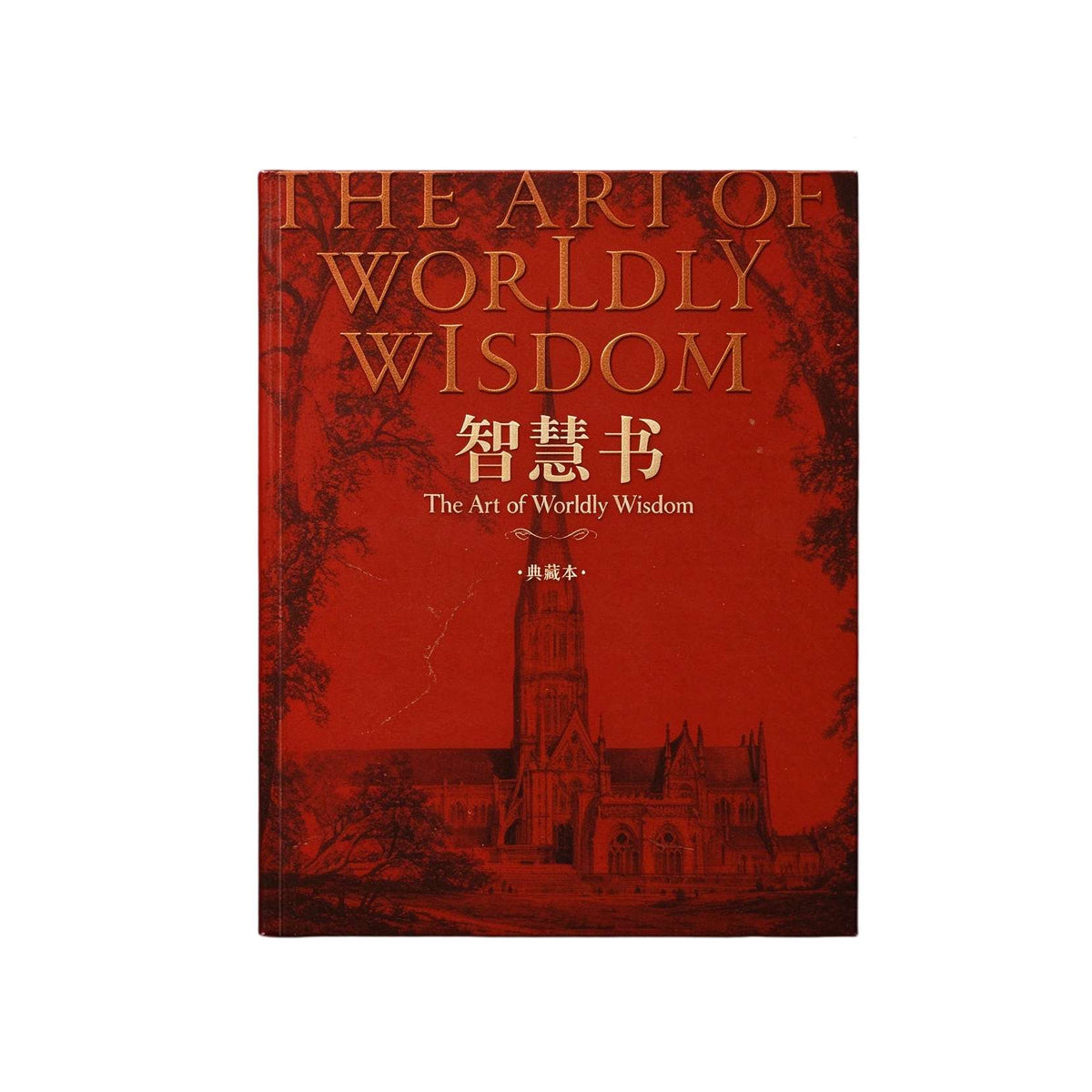
The Art of Worldly Wisdom (English-Chinese Edition): 300 Maxims on Human Nature, Prudence & Self-Mastery
- 99% Issue-Free
- Secure Checkout
- $10K ID Protect
Security & Service
- Payment
Security - Privacy
Protection - Efficient
Shipping - Customer
Support
Detail

You know that feeling when you walk away from a conversation and realize, ten minutes too late, that you got played?
This book is the antidote.
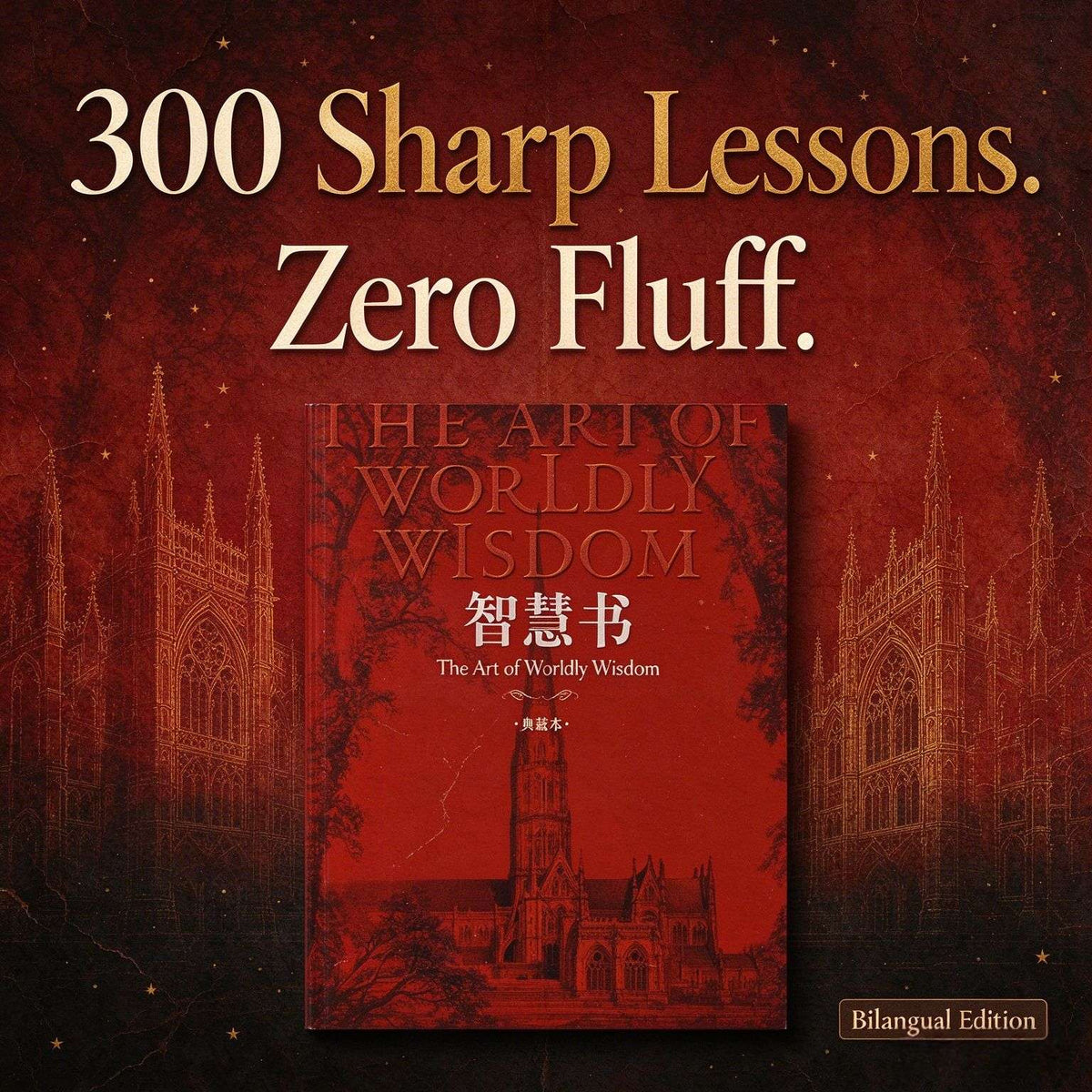
Written in 1647 by a Spanish philosopher named Baltasar Gracián, The Art of Worldly Wisdom is 300 short, sharp lessons on dealing with people. No fluff. No feel-good platitudes. Just hard-won insight from a man who spent his life studying how humans actually behave — not how they pretend to behave. -2
A few examples:
-
“Never let them see your cards.” Show all your weaknesses on day one, and no one will respect you.
-
“Don‘t burn a bridge just because you can.” A door closed today might be the only one open tomorrow.
-
“When people praise you, ask why.” Flattery is rarely free.
Why this edition?
This is a bilingual Chinese-English edition. That means you can read it in Chinese, read it in English, or read them side by side. The English translation is the classic Joseph Jacobs version — clean, natural, and readable for native English speakers. -2-10
Who this book is for:
-
Young professionals figuring out the unwritten rules of the workplace
-
Anyone who’s ever been told they‘re “too trusting”
-
Chinese learners who want real reading material, not textbook dialogues
-
People who want a book they can open to any page and find something useful
Schopenhauer translated it into German himself, calling it “a book you can use at any moment.” Nietzsche was more blunt: “In the dissection of character, Europe has produced no one finer than Gracián.”


-
101 Stories for Foreigners to Understand Chinese People (English Edition): Real-Life Lessons on Culture, Etiquette & Getting It Right
Regular price £21.80Regular price£31.00Sale price £21.80DEAL -

24 Solar Terms (English-Chinese Edition): 24 Art Postcards Where Chinese Characters Come to Life
Regular price £19.70Regular price£28.00Sale price £19.70DEAL -
24 Solar Terms Fairy Tale (English-Chinese Edition): A Little Prince‘s Journey Through the Four Seasons
Regular price £18.30Regular price£26.00Sale price £18.30DEAL -
300 Song Lyrics (Chinese-English Edition): Xu Yuanchong’s Translation of Classic Ci Poetry
Regular price £21.80Regular price£30.90Sale price £21.80DEAL -
300 Tang Poems (Chinese-English Edition): Xu Yuanchong’s Rhymed Translation of the Golden Age
Regular price £21.00Regular price£30.00Sale price £21.00DEAL -
300 Yuan Songs (Chinese-English Edition): Xu Yuanchong‘s Translation of Classic Sanqu Poetry
Regular price £21.40Regular price£30.50Sale price £21.40DEAL -
80000 Words English-Chinese / English-English / Chinese-English Dictionary (Two-Color Edition): A Three-in-One Reference for Learners
Regular price £23.40Regular price£33.50Sale price £23.40DEAL -
A Bing Xin Reader (English Edition): Letters to Young Readers & The Little Orange Lamp
Regular price £21.90Regular price£35.00Sale price £21.90DEAL -

A Biography of Xuanzang (English-Chinese Edition): The Monk Who Walked to India, in Ten Scrolls
Regular price £23.50Regular price£34.00Sale price £23.50DEAL -
A Brief Introduction to the Belt and Road Initiative (English Edition): 111 Questions Answered in Plain English
Regular price £25.00Regular price£0.00Sale price £25.00


