


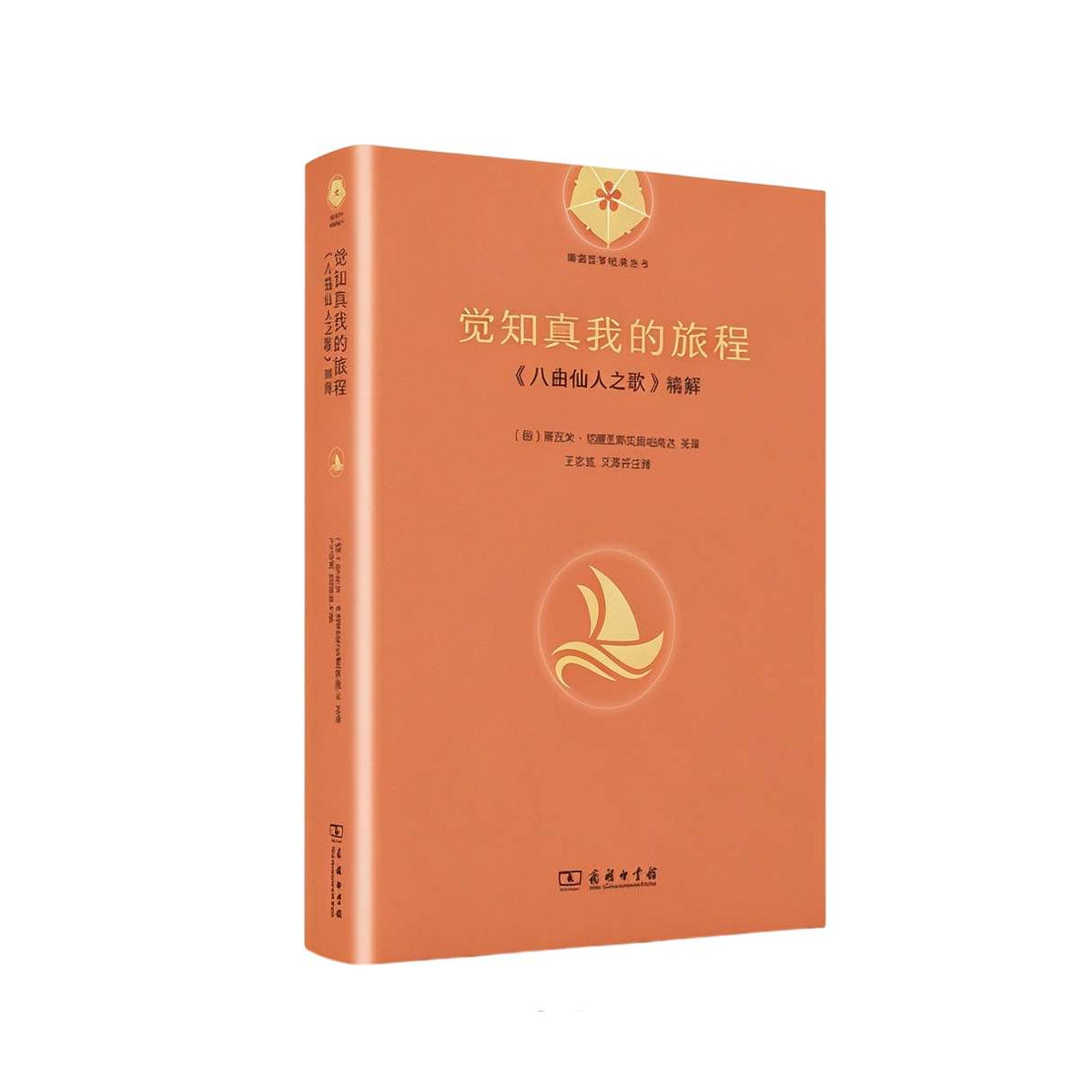
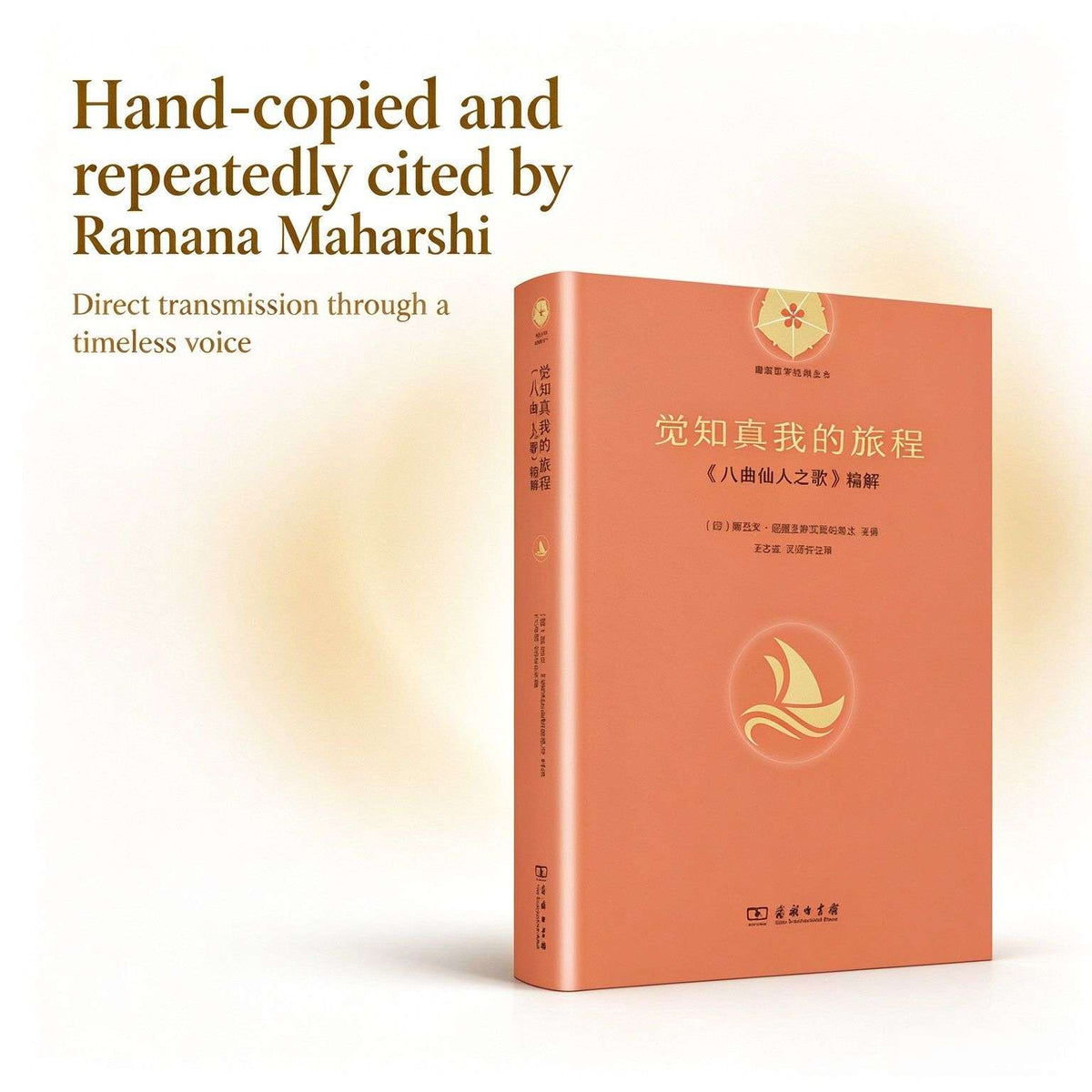
The Journey of Knowing the True Self (Chinese Edition): A Detailed Commentary on the Ashtavakra Gita
The Journey of Knowing the True Self (Chinese Edition): A Detailed Commentary on the Ashtavakra Gita
- 99% Issue-Free
- Secure Checkout
- $10K ID Protect
Security & Service
- Payment
Security - Privacy
Protection - Efficient
Shipping - Customer
Support
Detail

Have you ever had that moment — life looks fine on the outside, but something inside feels off? Or you keep getting stuck in the same emotional loop, and no amount of self-help seems to reach the root of it?
This book speaks directly to that.
The Ashtavakra Gita is a short ancient Indian scripture — just 298 verses of dialogue between the sage Ashtavakra and King Janaka. Yet in those verses, it delivers the core insight of Advaita Vedanta with startling clarity: the “me” you think you are is not who you actually are. When you stop identifying with your body, your emotions, and your thoughts, the sense of being trapped begins to loosen.
This edition is a detailed Chinese-language commentary on that classic. Professor Wang Zhicheng of Zhejiang University, who has spent years translating and studying yoga philosophy texts, worked from the English translation by Swami Nityaswarupananda (a senior scholar of the Ramakrishna Mission) and added verse-by-verse notes and explanations in Chinese, making the original Sanskrit philosophy accessible to ordinary readers-34. Published by The Commercial Press in 2024 as part of their Yoga Philosophy Classics series, which also includes the Yoga Sutras, the Upanishads, and Karma Yoga-73.
Who this book is for:
-
Long-time yoga practitioners who want to understand the philosophy behind the poses
-
Readers who have tried the Bhagavad Gita or the Upanishads but found them dense, and want something shorter and more direct
-
Anyone who has genuinely wrestled with questions like “Who am I?”, “Why do I suffer?”, and “How do I actually let go?”


-
Fans of the Platform Sutra, Krishnamurti, or Eckhart Tolle who want to see the closest Indian equivalent
-
101 Stories for Foreigners to Understand Chinese People (English Edition): Real-Life Lessons on Culture, Etiquette & Getting It Right
Regular price £21.80Regular price£31.00Sale price £21.80DEAL -

24 Solar Terms (English-Chinese Edition): 24 Art Postcards Where Chinese Characters Come to Life
Regular price £19.70Regular price£28.00Sale price £19.70DEAL -
24 Solar Terms Fairy Tale (English-Chinese Edition): A Little Prince‘s Journey Through the Four Seasons
Regular price £18.30Regular price£26.00Sale price £18.30DEAL -
300 Song Lyrics (Chinese-English Edition): Xu Yuanchong’s Translation of Classic Ci Poetry
Regular price £21.80Regular price£30.90Sale price £21.80DEAL -
300 Tang Poems (Chinese-English Edition): Xu Yuanchong’s Rhymed Translation of the Golden Age
Regular price £21.00Regular price£30.00Sale price £21.00DEAL -
300 Yuan Songs (Chinese-English Edition): Xu Yuanchong‘s Translation of Classic Sanqu Poetry
Regular price £21.40Regular price£30.50Sale price £21.40DEAL -
80000 Words English-Chinese / English-English / Chinese-English Dictionary (Two-Color Edition): A Three-in-One Reference for Learners
Regular price £23.40Regular price£33.50Sale price £23.40DEAL -
A Bing Xin Reader (English Edition): Letters to Young Readers & The Little Orange Lamp
Regular price £21.90Regular price£35.00Sale price £21.90DEAL -

A Biography of Xuanzang (English-Chinese Edition): The Monk Who Walked to India, in Ten Scrolls
Regular price £23.50Regular price£34.00Sale price £23.50DEAL -
A Brief Introduction to the Belt and Road Initiative (English Edition): 111 Questions Answered in Plain English
Regular price £25.00Regular price£0.00Sale price £25.00


