


The Nude Art of the Qiuci Grottoes (English-Chinese Edition): 180+ Han-Tang Murals from the Silk Road Caves
The Nude Art of the Qiuci Grottoes (English-Chinese Edition): 180+ Han-Tang Murals from the Silk Road Caves
- 99% Issue-Free
- Secure Checkout
- $10K ID Protect
Security & Service
- Payment
Security - Privacy
Protection - Efficient
Shipping - Customer
Support
Detail

What problem does this book solve?
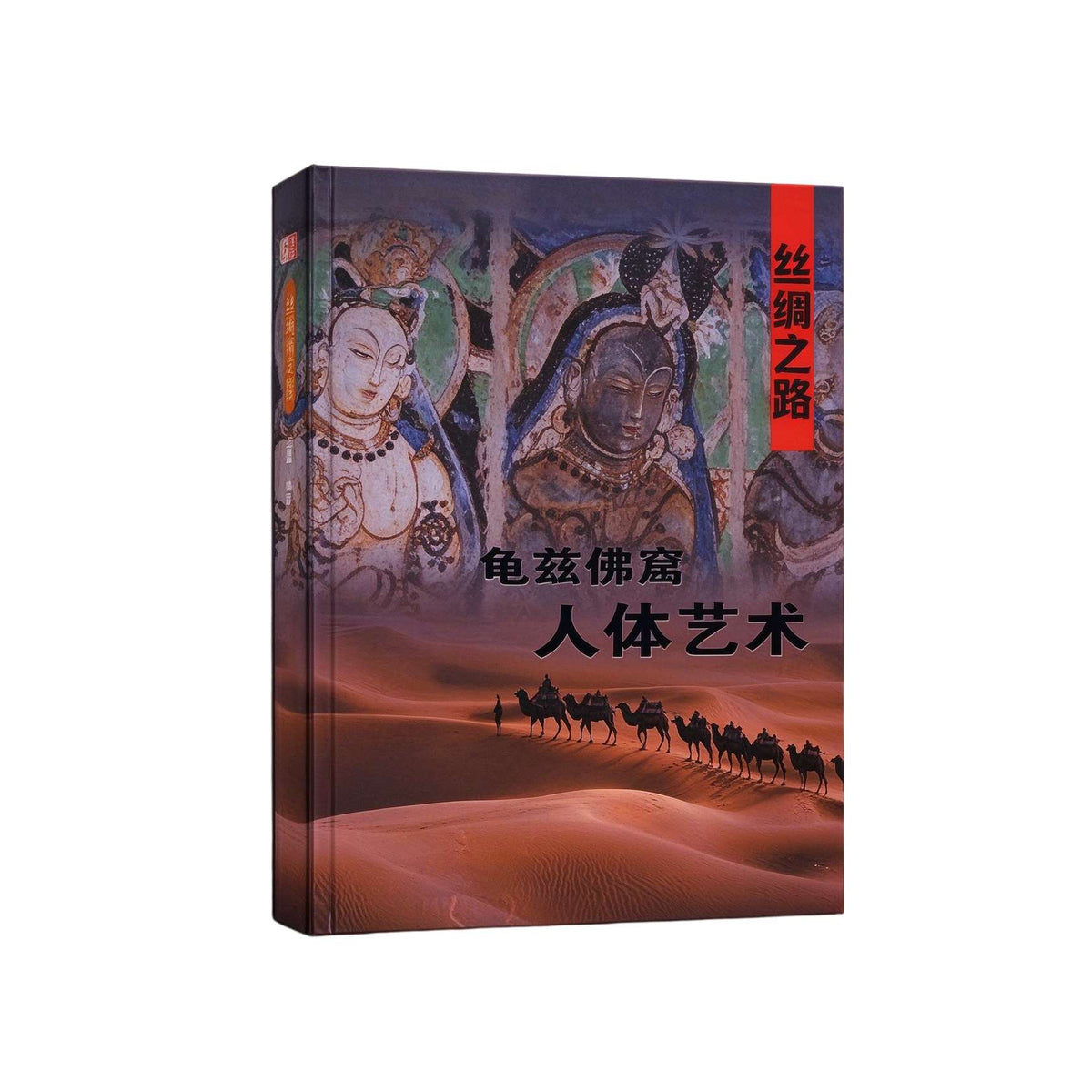
For decades, a widely repeated claim in Western art history held that ancient Chinese painting contained no tradition of figurative (nude) art in the strict sense. Starting in the 1970s, Prof. Feng Fei discovered numerous semi-nude and fully nude figures in the murals of the Qiuci cave temples. Over decades of systematic photography and research, he assembled visual evidence that directly challenged this assumption.-
What makes this book different?
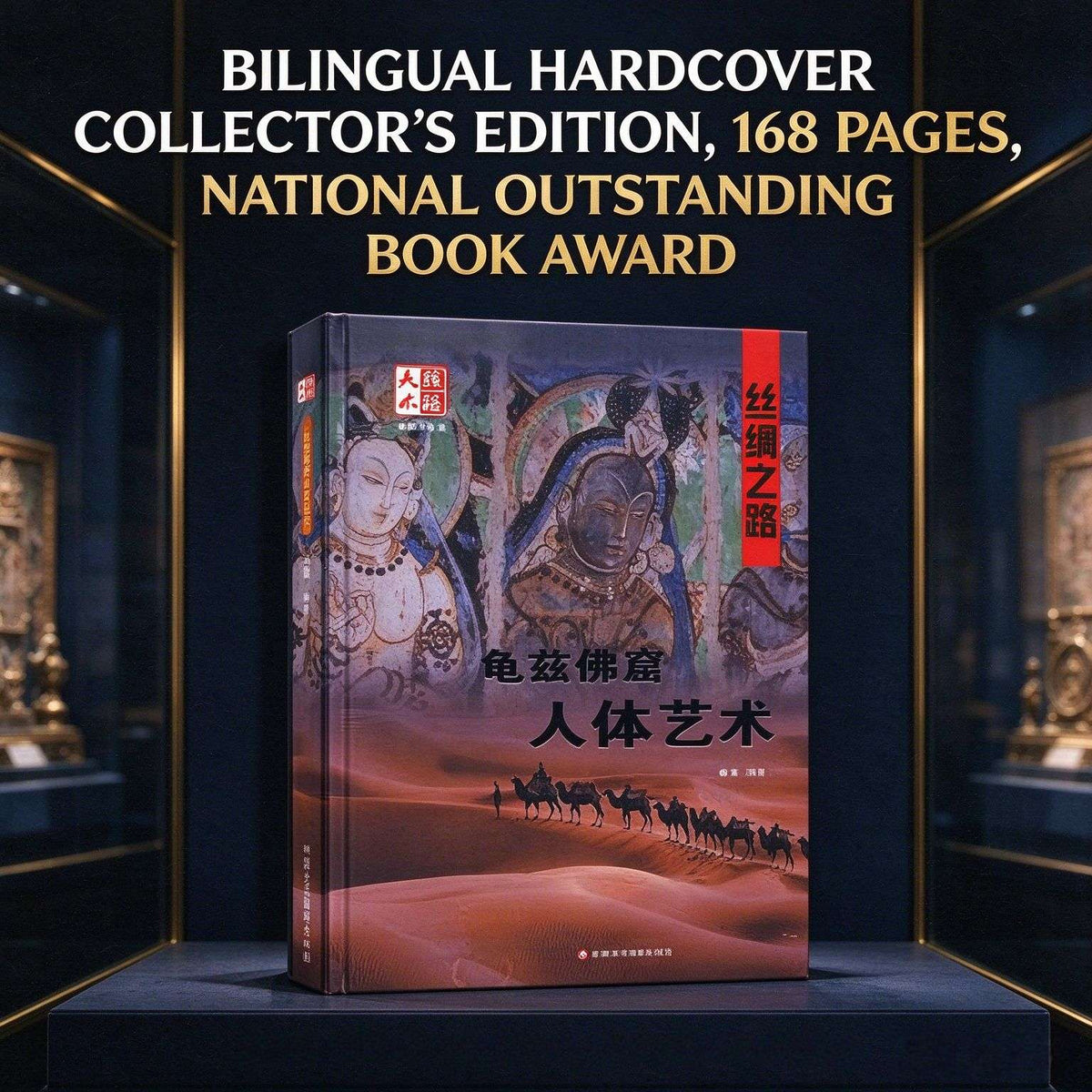
It is a photographic album, but not only that. 168 pages, hardcover, 16-mo format, featuring over 180 mural photographs from the Han and Tang dynasties, each with bilingual captions. The content covers five areas: the expressive forms of Qiuci cave nude art, classification of nude and semi-nude figures, stylistic and painterly characteristics, the relationship between these images and Buddhist doctrine, and the artistic origins of the tradition.-30
Why does it deserve a place on your shelf?
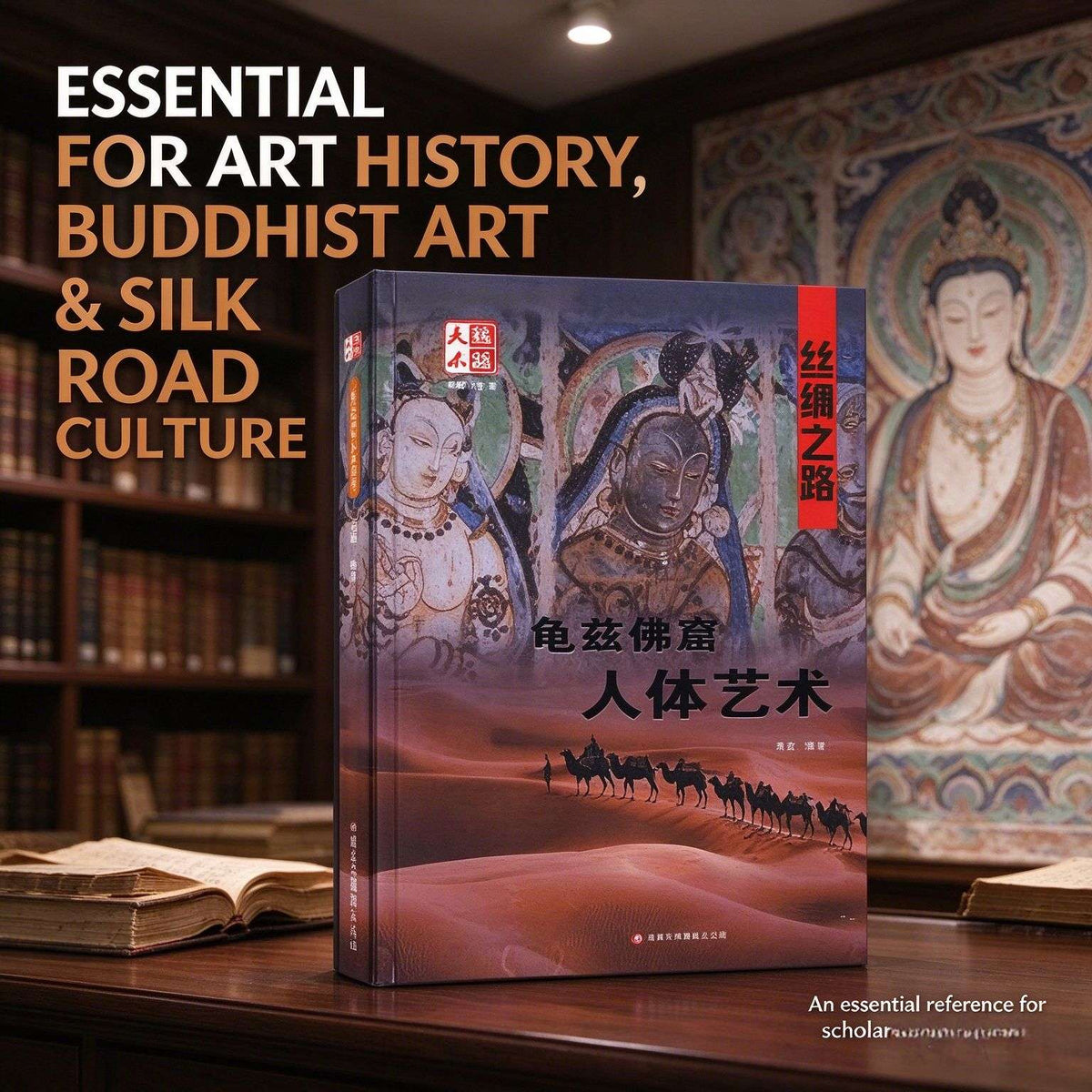
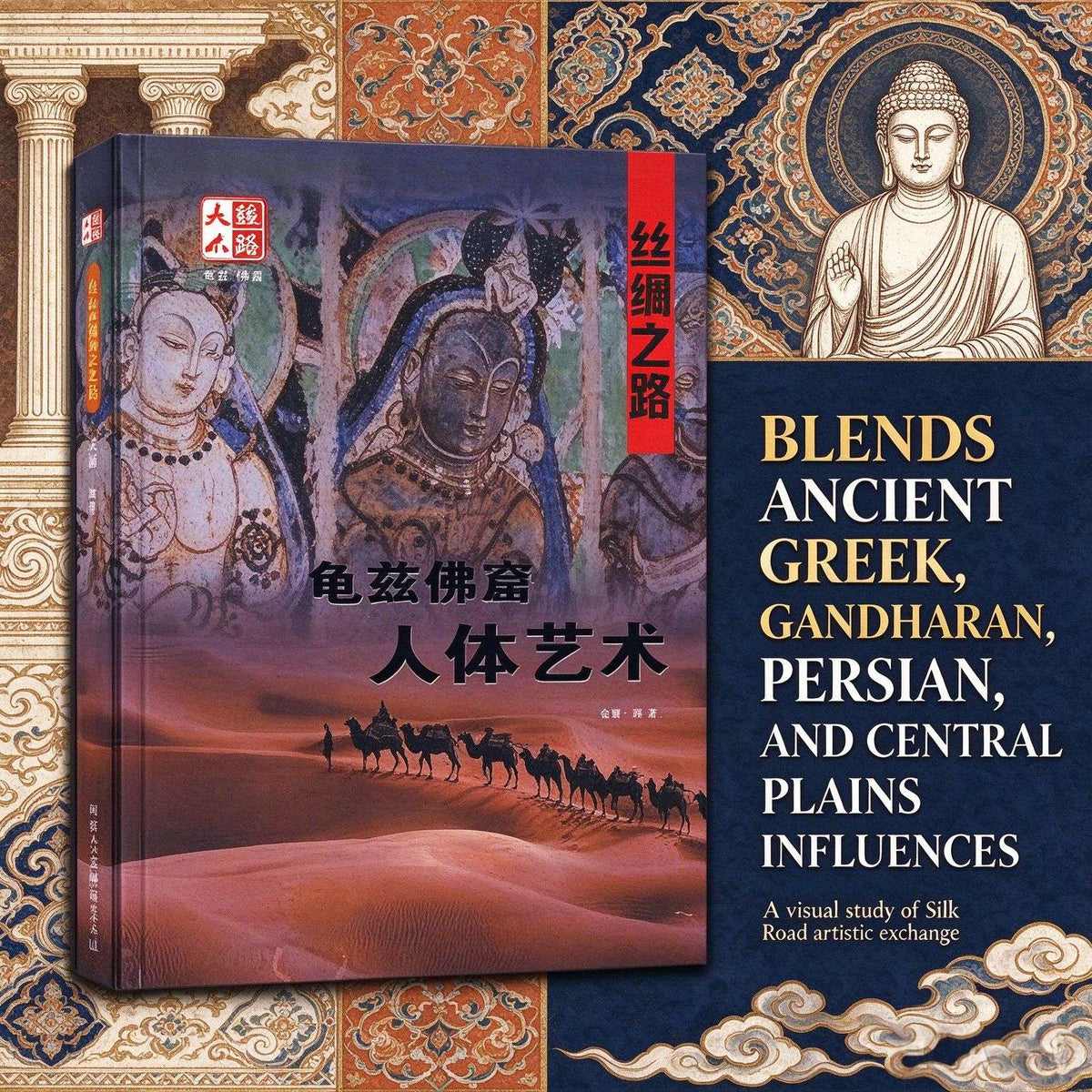
The Qiuci caves (best represented by the Kizil Grottoes) are among China's earliest large-scale cave temple complexes, dating from roughly the 3rd century CE. Their murals blend artistic influences from ancient Greece, Indian Gandhara, Persia, and the Central Plains.- These nude figures are not isolated aesthetic gestures — they are direct evidence of Silk Road cultural exchange. Feng Fei's photography and research bring these images, scattered across remote caves, into systematic view. The album received a National Outstanding Book Award, and the author is a nationally certified first-class photographer, researcher at the Xinjiang Museum, and executive vice chairman of the Xinjiang Photographers Association.-
Who is this book for?
-
Scholars and students of ancient Chinese art, Buddhist art, and Silk Road culture
-
General readers curious about whether China had a figurative art tradition
-
Art school faculty and students seeking image references for mural study and reproduction
-
Readers interested in Central Asian artistic exchange and Gandharan influence


-
101 Stories for Foreigners to Understand Chinese People (English Edition): Real-Life Lessons on Culture, Etiquette & Getting It Right
Regular price £21.80Regular price£31.00Sale price £21.80DEAL -

24 Solar Terms (English-Chinese Edition): 24 Art Postcards Where Chinese Characters Come to Life
Regular price £19.70Regular price£28.00Sale price £19.70DEAL -
24 Solar Terms Fairy Tale (English-Chinese Edition): A Little Prince‘s Journey Through the Four Seasons
Regular price £18.30Regular price£26.00Sale price £18.30DEAL -
300 Song Lyrics (Chinese-English Edition): Xu Yuanchong’s Translation of Classic Ci Poetry
Regular price £21.80Regular price£30.90Sale price £21.80DEAL -
300 Tang Poems (Chinese-English Edition): Xu Yuanchong’s Rhymed Translation of the Golden Age
Regular price £21.00Regular price£30.00Sale price £21.00DEAL -
300 Yuan Songs (Chinese-English Edition): Xu Yuanchong‘s Translation of Classic Sanqu Poetry
Regular price £21.40Regular price£30.50Sale price £21.40DEAL -
80000 Words English-Chinese / English-English / Chinese-English Dictionary (Two-Color Edition): A Three-in-One Reference for Learners
Regular price £23.40Regular price£33.50Sale price £23.40DEAL -
A Bing Xin Reader (English Edition): Letters to Young Readers & The Little Orange Lamp
Regular price £21.90Regular price£35.00Sale price £21.90DEAL -

A Biography of Xuanzang (English-Chinese Edition): The Monk Who Walked to India, in Ten Scrolls
Regular price £23.50Regular price£34.00Sale price £23.50DEAL -
A Brief Introduction to the Belt and Road Initiative (English Edition): 111 Questions Answered in Plain English
Regular price £25.00Regular price£0.00Sale price £25.00


