


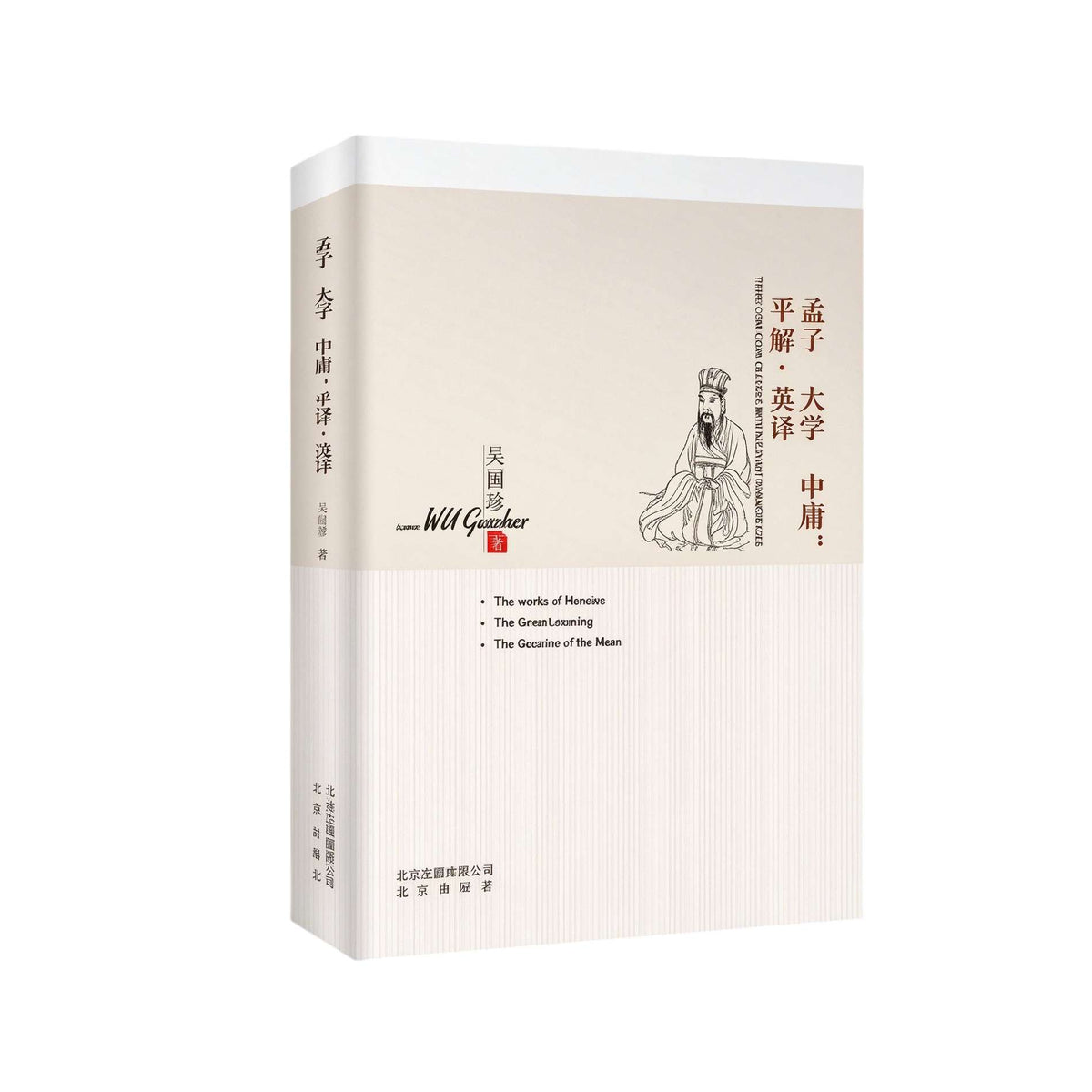
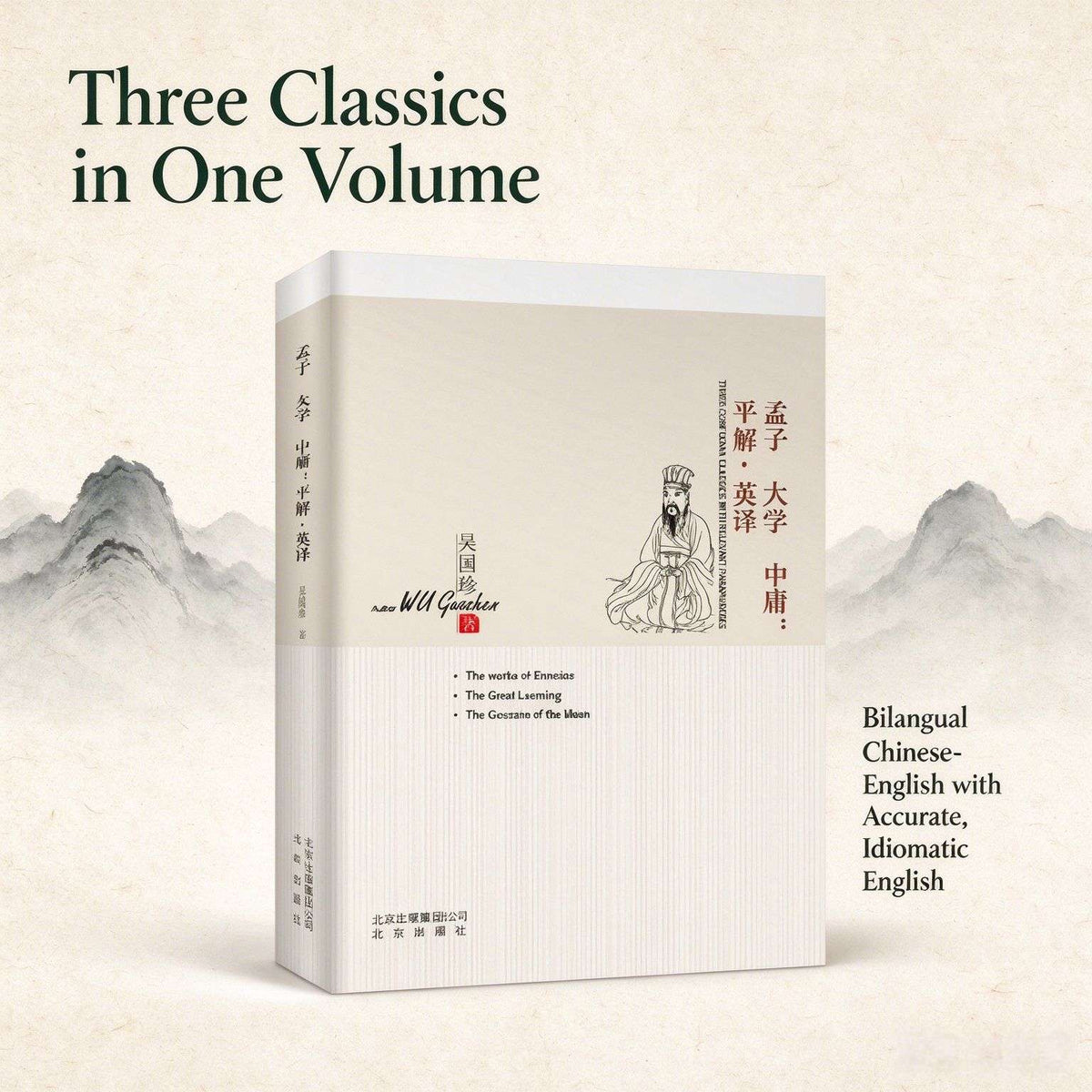
The Works of Mencius, The Great Learning & The Doctrine of the Mean (English-Chinese Edition): A Plain Reading with New Translations
The Works of Mencius, The Great Learning & The Doctrine of the Mean (English-Chinese Edition): A Plain Reading with New Translations
- 99% Issue-Free
- Secure Checkout
- $10K ID Protect
Security & Service
- Payment
Security - Privacy
Protection - Efficient
Shipping - Customer
Support
Detail

Why This Book?
Among China’s traditional classics, the “Four Books” hold a special place. Three of them — Mencius, The Great Learning, and The Doctrine of the Mean — are gathered in this single volume. But most editions come with a problem: the classical Chinese is dense, the annotations are academic, and the English translations are either outdated (think 19th-century missionary prose) or stiff and unreadable.
This book was made to solve exactly that problem.
What Makes It Different?
First, it’s actually readable. Author Wu Guozhen, a retired English professor, spent over a decade working on modern Chinese renderings and English translations of Confucian classics. His guiding principle is “no pedantry, no novelty-seeking, no elevation, no disparagement” — he doesn’t make things complicated to sound profound, doesn’t twist the text to be contrarian, doesn’t add emotional filler, and doesn’t cut corners on the original meaning.-53The commentary after each chapter reads like a knowledgeable friend explaining things: context where you need it, brevity where you don’t.-11
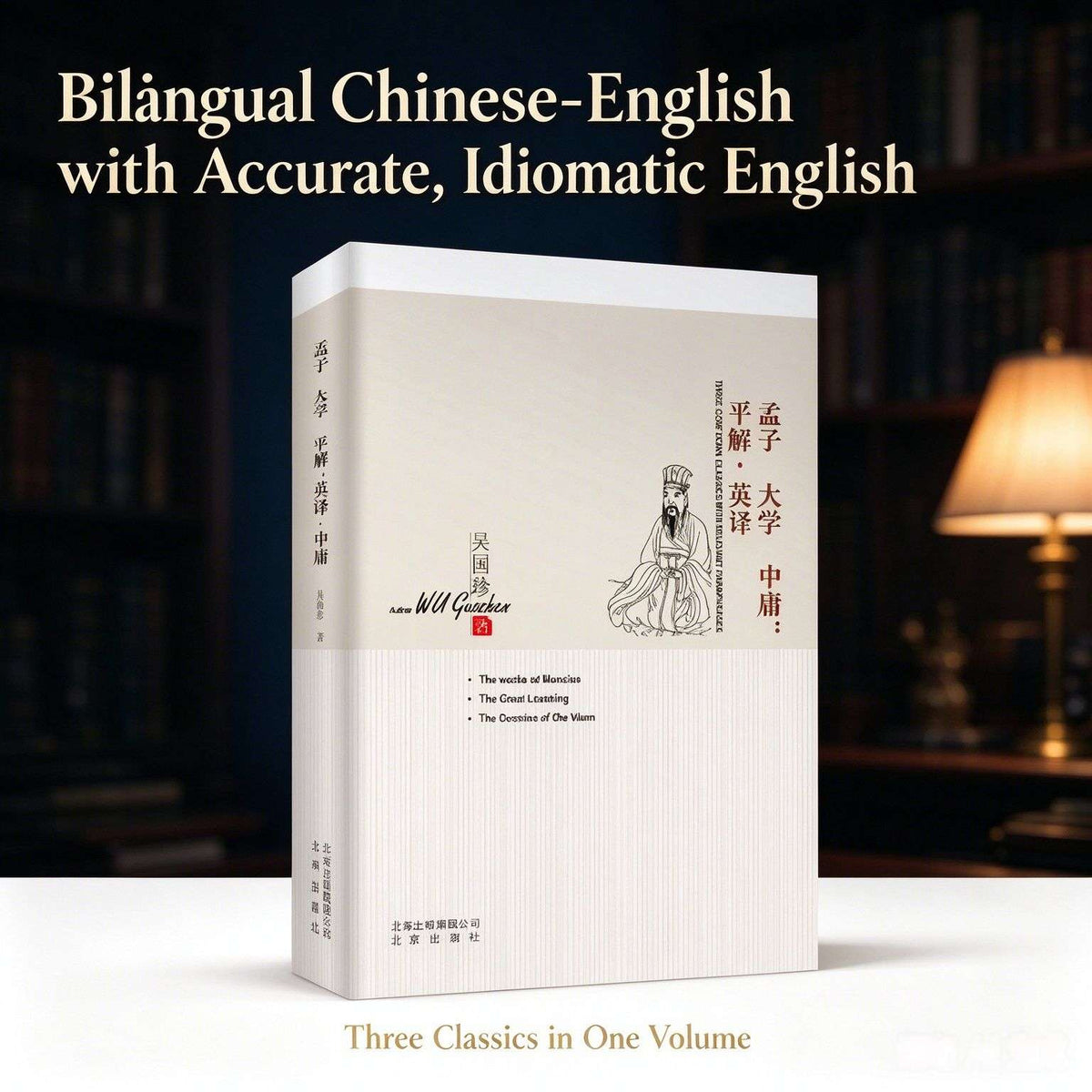
Second, the English translation works. Many bilingual classics fail on the English side — either the translation is a century old and sounds it, or it’s so literal that it’s painful to read. This book’s English continues the style of Wu’s earlier translation of The Analects, which received an official review from China’s National Office for Teaching Chinese as a Foreign Language with four words: “accurate, concise, accessible, and idiomatic.”-55
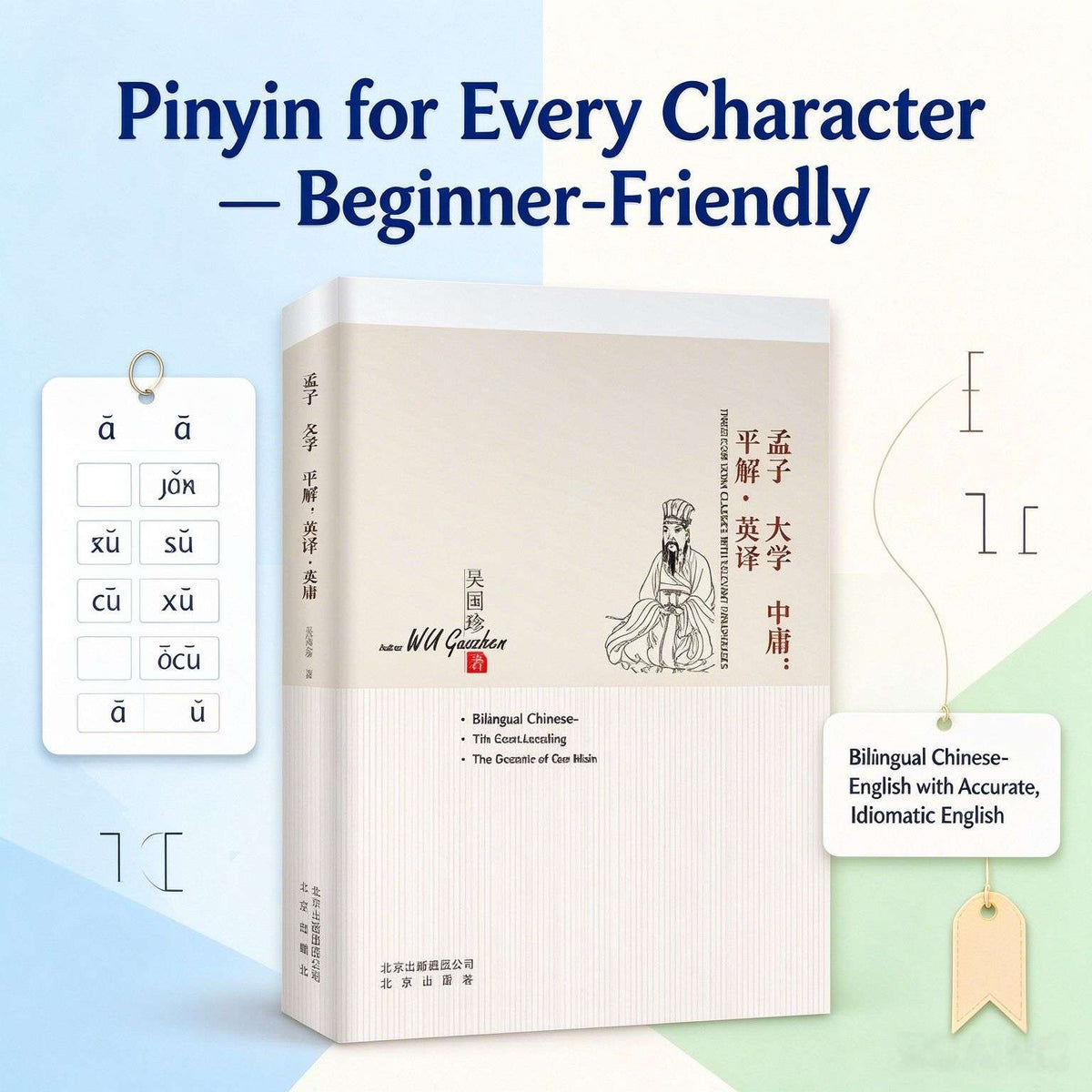
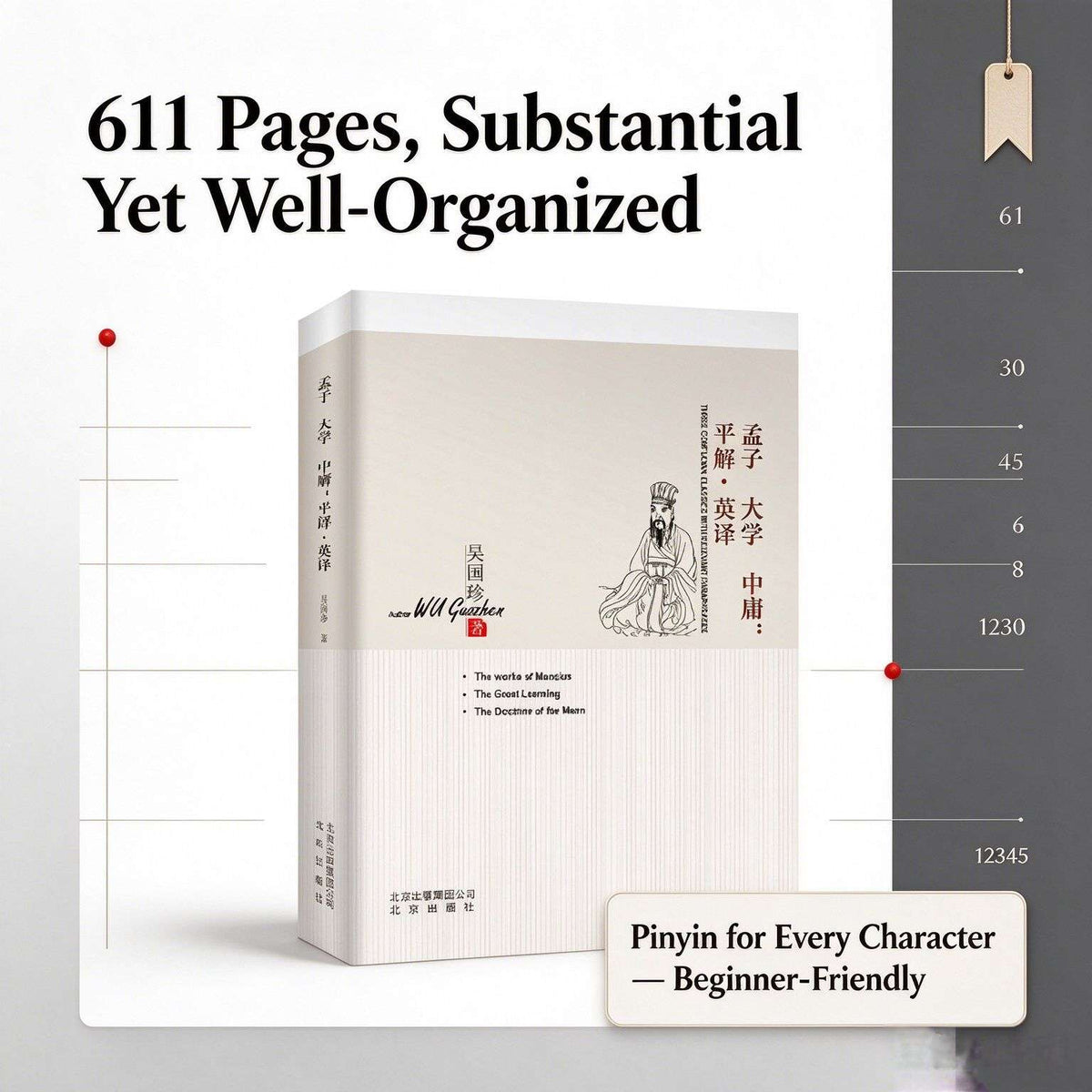
Third, the details matter. Every Chinese character in the original text comes with pinyin — useful for two groups in particular: international readers learning pronunciation, and Chinese parents who want their children to read the classics aloud.-At 611 pages, the book has real substance, but the content is organized so you’re never drowning in commentary. It expands where expansion helps and stays tight where it doesn’t.
Who Is This For?
-
Chinese readers who want to read the classics but have been put off by difficult classical Chinese or overly academic annotations.
-
International Chinese learners who need bilingual texts with pronunciation support.
-
Overseas Chinese families who want their children to connect with Chinese culture even if their Chinese isn’t fluent yet.
-
English-speaking readers interested in Chinese philosophy who want a Confucian classics primer that doesn’t make them feel lost.


-
101 Stories for Foreigners to Understand Chinese People (English Edition): Real-Life Lessons on Culture, Etiquette & Getting It Right
Regular price £21.80Regular price£31.00Sale price £21.80DEAL -

24 Solar Terms (English-Chinese Edition): 24 Art Postcards Where Chinese Characters Come to Life
Regular price £19.70Regular price£28.00Sale price £19.70DEAL -
24 Solar Terms Fairy Tale (English-Chinese Edition): A Little Prince‘s Journey Through the Four Seasons
Regular price £18.30Regular price£26.00Sale price £18.30DEAL -
300 Song Lyrics (Chinese-English Edition): Xu Yuanchong’s Translation of Classic Ci Poetry
Regular price £21.80Regular price£30.90Sale price £21.80DEAL -
300 Tang Poems (Chinese-English Edition): Xu Yuanchong’s Rhymed Translation of the Golden Age
Regular price £21.00Regular price£30.00Sale price £21.00DEAL -
300 Yuan Songs (Chinese-English Edition): Xu Yuanchong‘s Translation of Classic Sanqu Poetry
Regular price £21.40Regular price£30.50Sale price £21.40DEAL -
80000 Words English-Chinese / English-English / Chinese-English Dictionary (Two-Color Edition): A Three-in-One Reference for Learners
Regular price £23.40Regular price£33.50Sale price £23.40DEAL -
A Bing Xin Reader (English Edition): Letters to Young Readers & The Little Orange Lamp
Regular price £21.90Regular price£35.00Sale price £21.90DEAL -

A Biography of Xuanzang (English-Chinese Edition): The Monk Who Walked to India, in Ten Scrolls
Regular price £23.50Regular price£34.00Sale price £23.50DEAL -
A Brief Introduction to the Belt and Road Initiative (English Edition): 111 Questions Answered in Plain English
Regular price £25.00Regular price£0.00Sale price £25.00


