


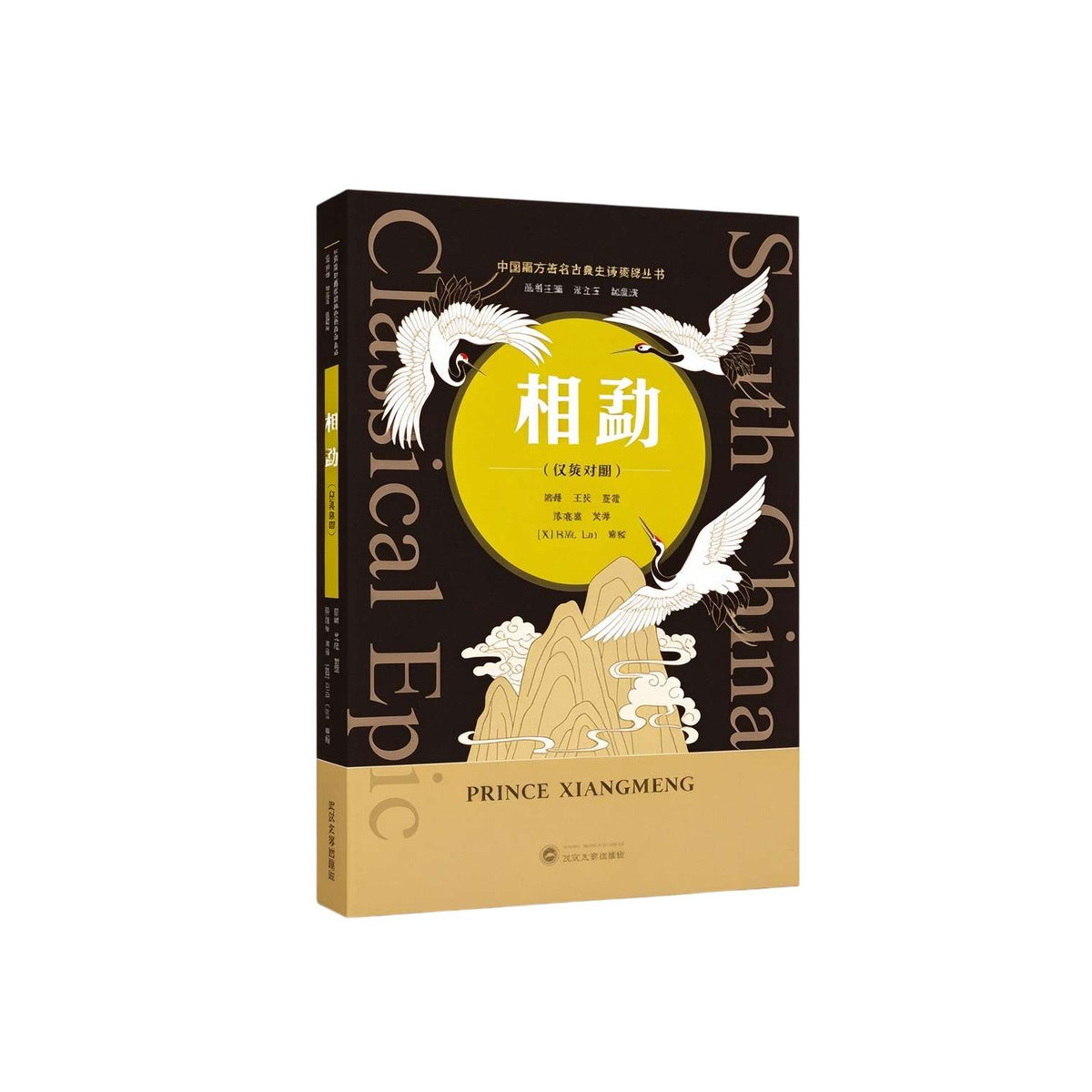
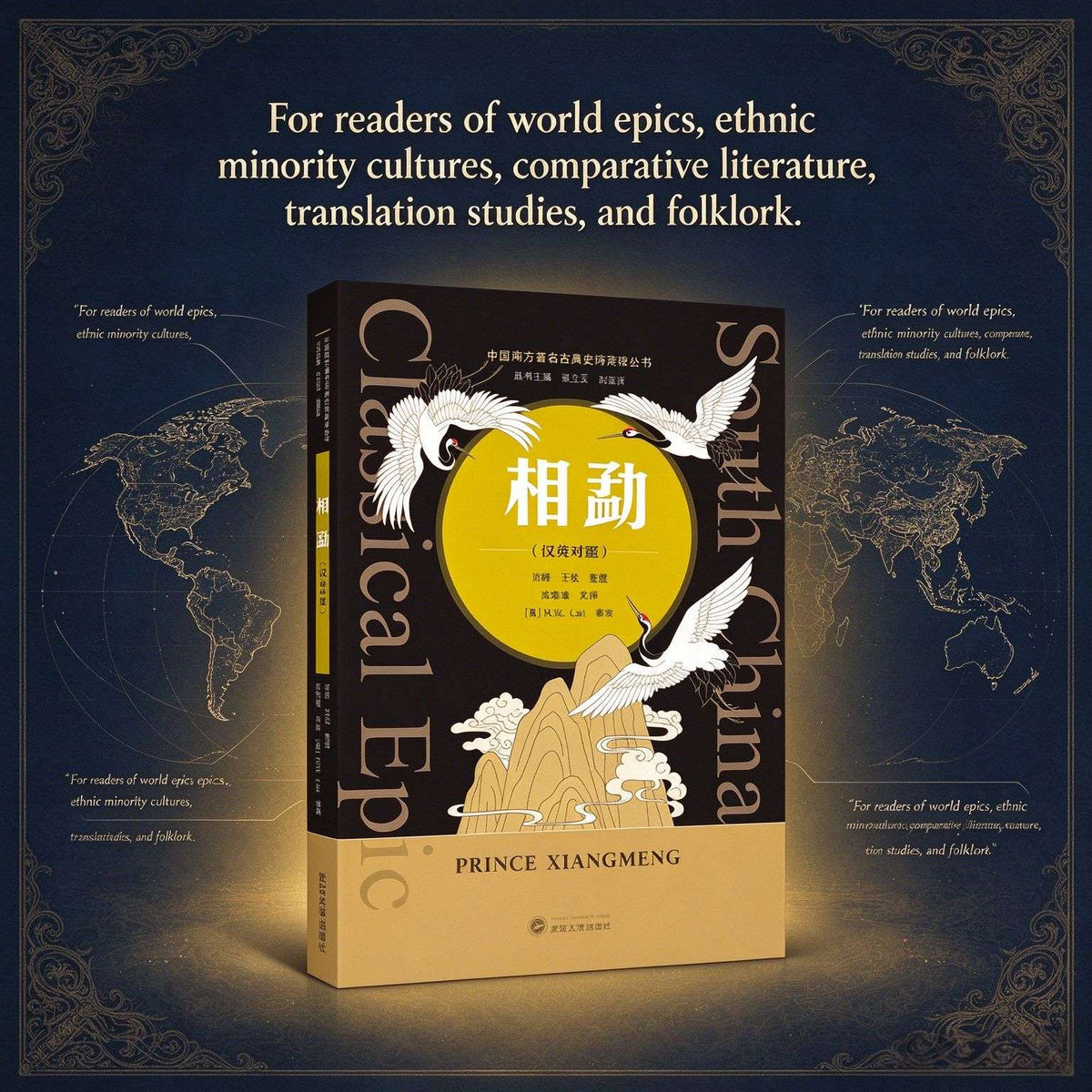
Xiang Meng (English-Chinese Edition): The First English Translation of a Tai Heroic Epic
Xiang Meng (English-Chinese Edition): The First English Translation of a Tai Heroic Epic
- 99% Issue-Free
- Secure Checkout
- $10K ID Protect
Security & Service
- Payment
Security - Privacy
Protection - Efficient
Shipping - Customer
Support
Detail

Why This Book Deserves Your Time
Because it's a Chinese epic you've never read before.
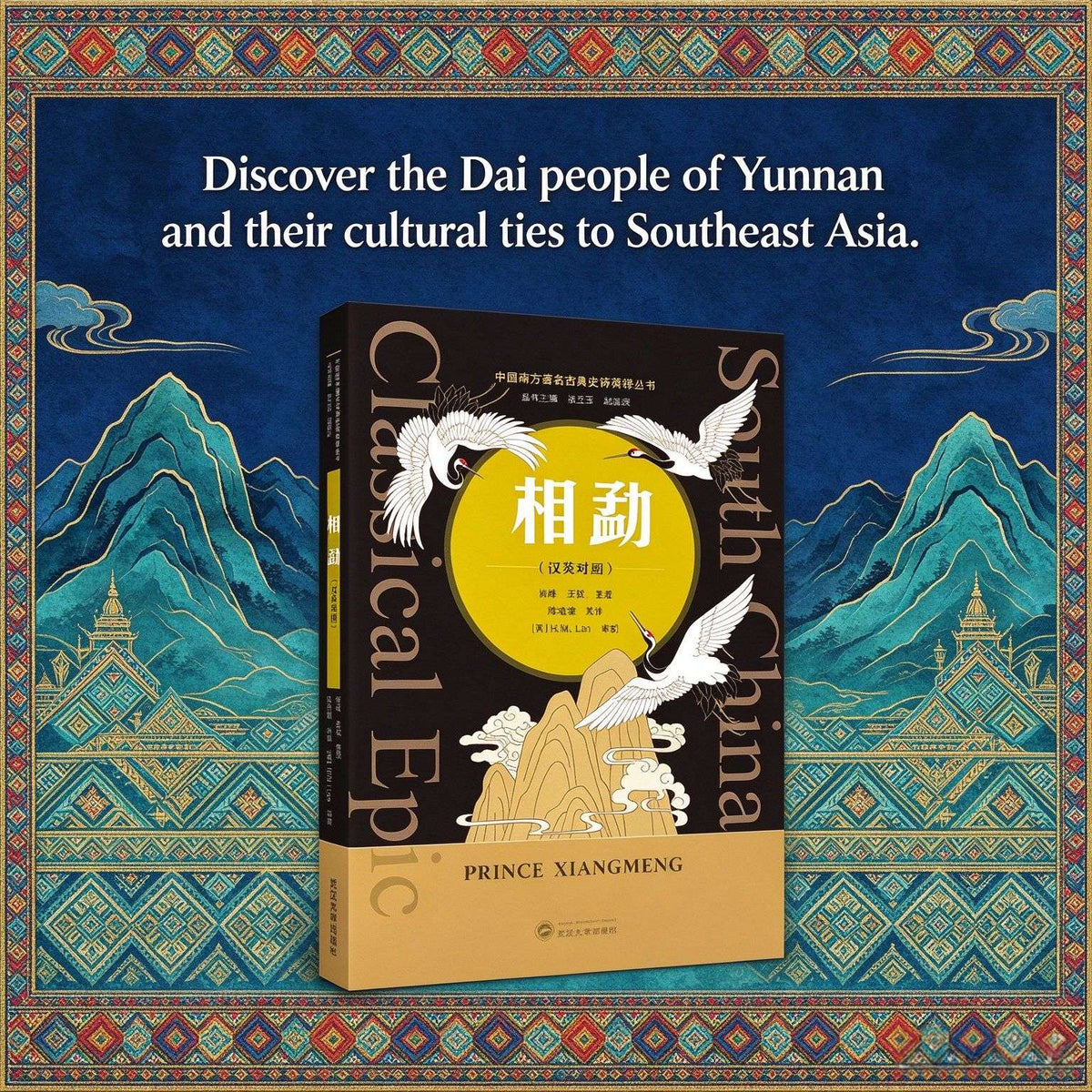
Most Chinese literature available to English readers falls into two categories: classical poetry or contemporary fiction. But China has 55 ethnic minority groups, each with its own epic tradition. The Dai people, who live in Yunnan Province near the borders of Myanmar, Laos and Thailand, share deep cultural roots with the Tai peoples of Southeast Asia. Xiang Meng is one of the most fully developed heroic epics in Dai literature — a story rooted in the historical memory of tribal warfare and unification-35.
Because it tells a genuinely gripping story.
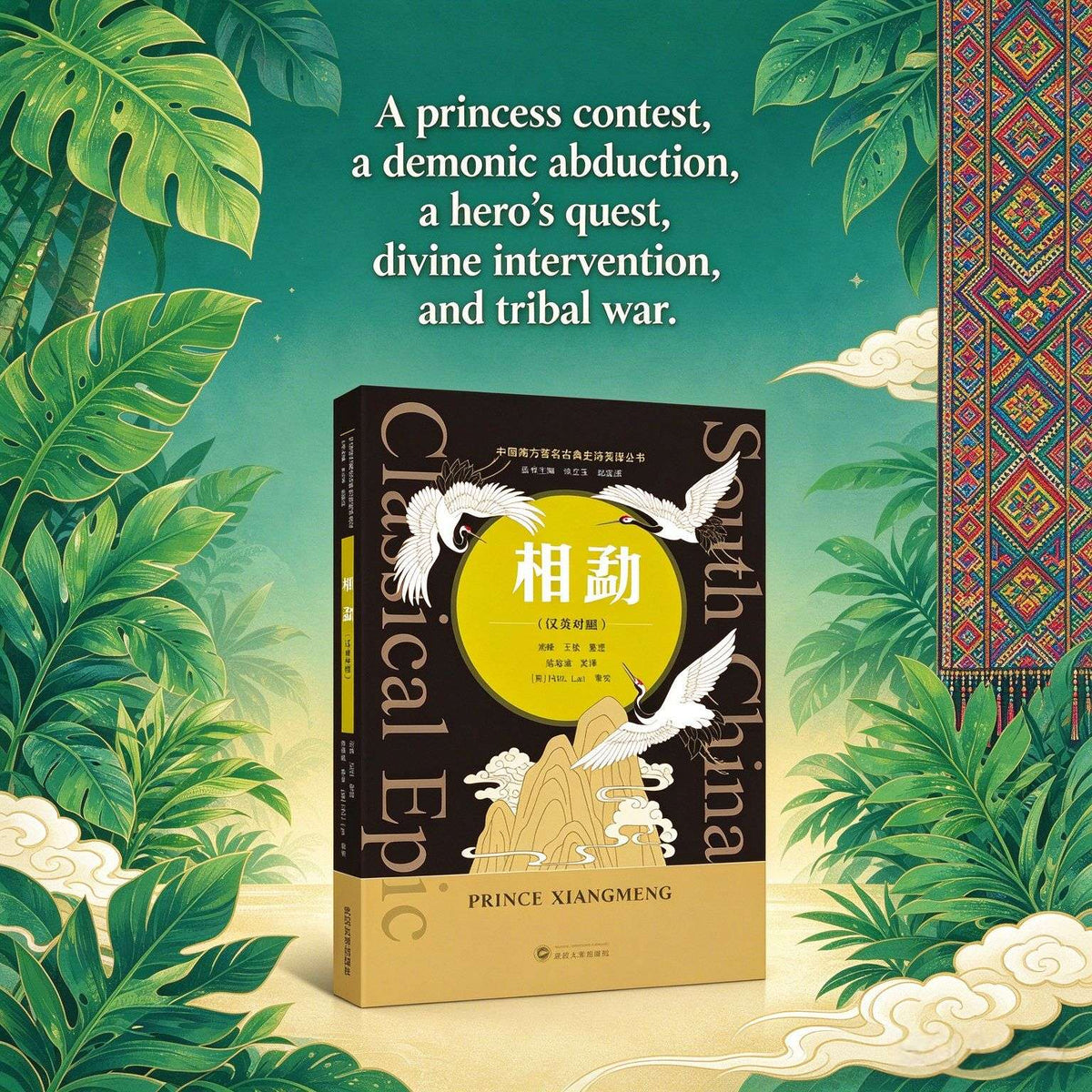
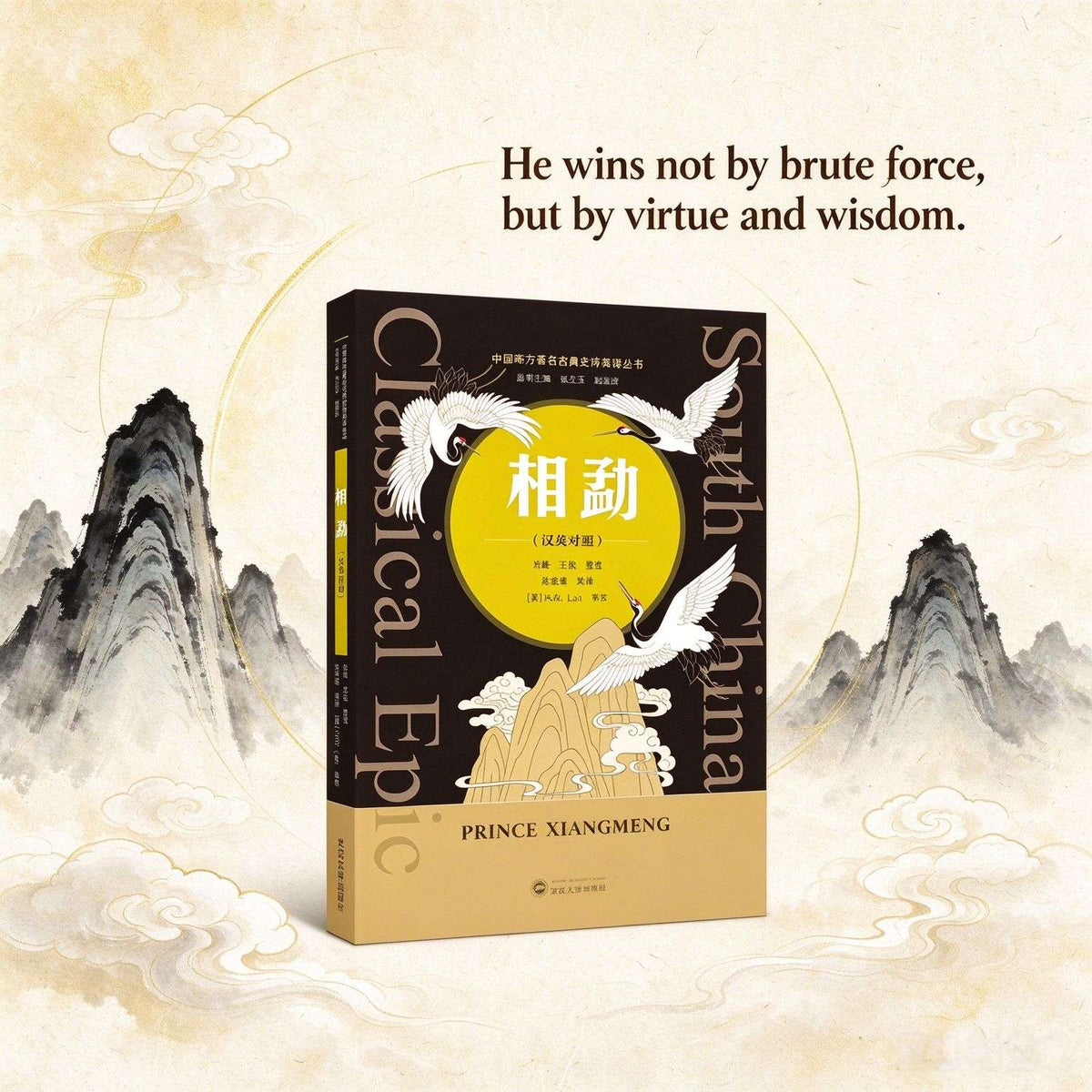
The plot moves fast: a martial-arts contest for a princess's hand, a demonic abduction, a hero's quest, divine intervention, and finally, tribal war. But Prince Xiang Meng doesn't win through brute force. He wins by earning the trust of rival tribes through virtue and wisdom, uniting them into a confederation-35. If you're used to Western epics where the hero wins by strength, this "virtue over violence" logic offers a refreshing alternative — a different kind of heroism.
Because this is the first English translation.
No systematic English version of Xiang Meng existed before this edition. The translator, Chen Luoyu, is an associate professor at South-Central Minzu University who has conducted research in folk literature at Central China Normal University and has extensive experience translating Chinese classics-35. Her approach does two things: poetic reconstruction that preserves the Dai cultural imagery, and cultural annotations for context. What you're reading isn't just a story translated — it's a literary text taken seriously-35.
Because it's bilingual.
The Chinese and English texts are presented side by side. You can read them in parallel and see how the rhythm of Dai verse gets reimagined in English. Even if you don't read Chinese at all, the English translation stands on its own as a complete literary work. If you're studying Chinese, this is a rare find — language that's accessible, but literature that's actually worth reading.
Who is this for?
-
Readers into world epics — beyond Greece, India and Scandinavia, there's an epic tradition in China's southwest and Southeast Asia
-
Those curious about Chinese ethnic minority cultures — this offers a literary entry point, not an academic one
-
Students and scholars of comparative literature, translation studies, or folklore — a first translation has inherent scholarly value
-
Anyone looking for a "different" Chinese book — no emperors, no modern cities, just an ancient story from a tropical river valley


-
101 Stories for Foreigners to Understand Chinese People (English Edition): Real-Life Lessons on Culture, Etiquette & Getting It Right
Regular price £21.80Regular price£31.00Sale price £21.80DEAL -

24 Solar Terms (English-Chinese Edition): 24 Art Postcards Where Chinese Characters Come to Life
Regular price £19.70Regular price£28.00Sale price £19.70DEAL -
24 Solar Terms Fairy Tale (English-Chinese Edition): A Little Prince‘s Journey Through the Four Seasons
Regular price £18.30Regular price£26.00Sale price £18.30DEAL -
300 Song Lyrics (Chinese-English Edition): Xu Yuanchong’s Translation of Classic Ci Poetry
Regular price £21.80Regular price£30.90Sale price £21.80DEAL -
300 Tang Poems (Chinese-English Edition): Xu Yuanchong’s Rhymed Translation of the Golden Age
Regular price £21.00Regular price£30.00Sale price £21.00DEAL -
300 Yuan Songs (Chinese-English Edition): Xu Yuanchong‘s Translation of Classic Sanqu Poetry
Regular price £21.40Regular price£30.50Sale price £21.40DEAL -
80000 Words English-Chinese / English-English / Chinese-English Dictionary (Two-Color Edition): A Three-in-One Reference for Learners
Regular price £23.40Regular price£33.50Sale price £23.40DEAL -
A Bing Xin Reader (English Edition): Letters to Young Readers & The Little Orange Lamp
Regular price £21.90Regular price£35.00Sale price £21.90DEAL -

A Biography of Xuanzang (English-Chinese Edition): The Monk Who Walked to India, in Ten Scrolls
Regular price £23.50Regular price£34.00Sale price £23.50DEAL -
A Brief Introduction to the Belt and Road Initiative (English Edition): 111 Questions Answered in Plain English
Regular price £25.00Regular price£0.00Sale price £25.00


